Find us at booth #83, join us for a harbor side happy hour, or catch Gorish’s talk.

Sept, 16-18 > Learn more

.avif)
Gorish Aggarwal

September 25, 2026
TL;DR
Intro
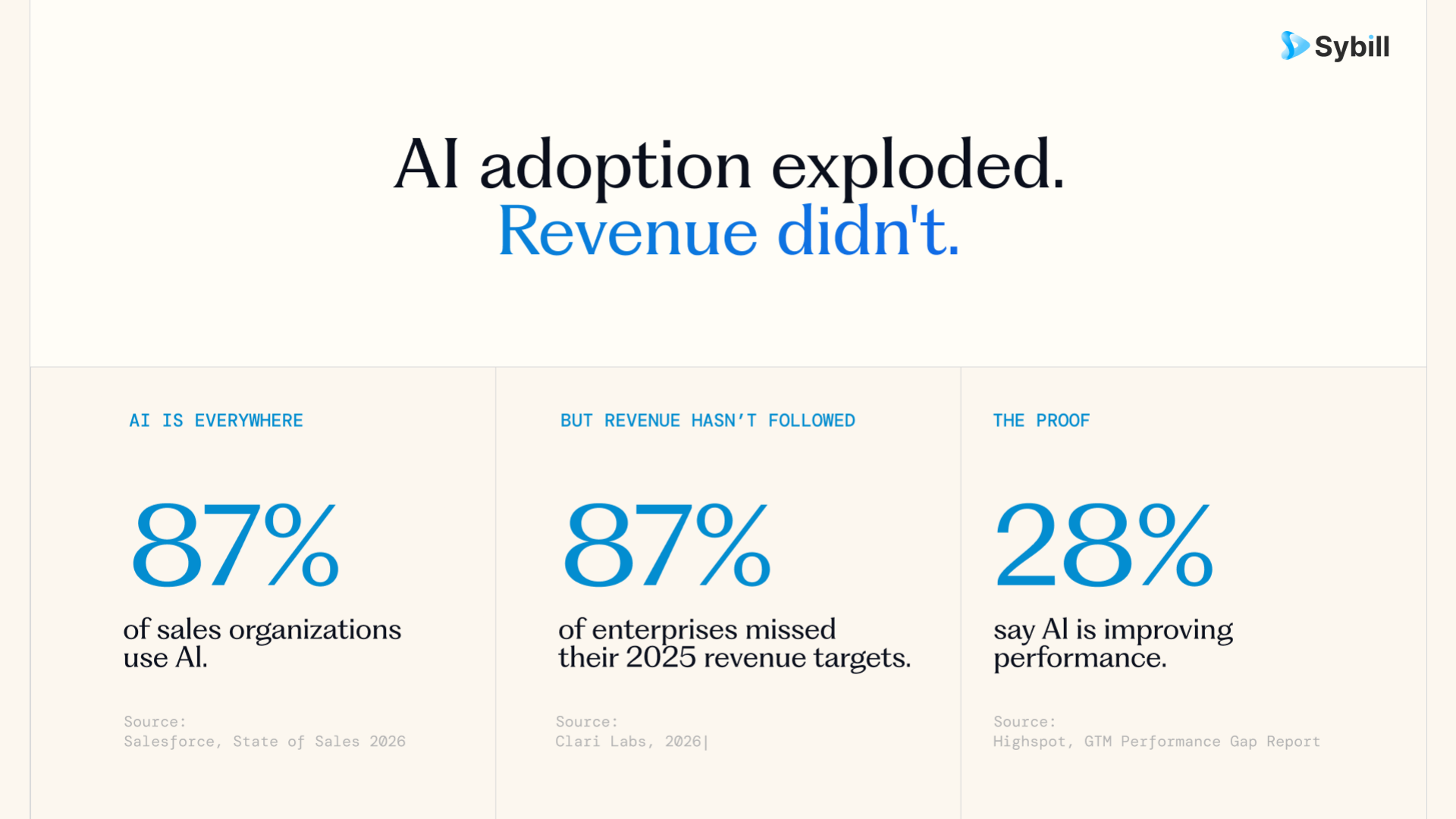
87% of sales organizations now use AI (Salesforce, State of Sales 2026). 87% of enterprises also missed their 2025 revenue targets (Clari Labs, 2026). And only 28% say AI is improving performance (Highspot, GTM Performance Gap Report). AI adoption exploded. Revenue didn't.
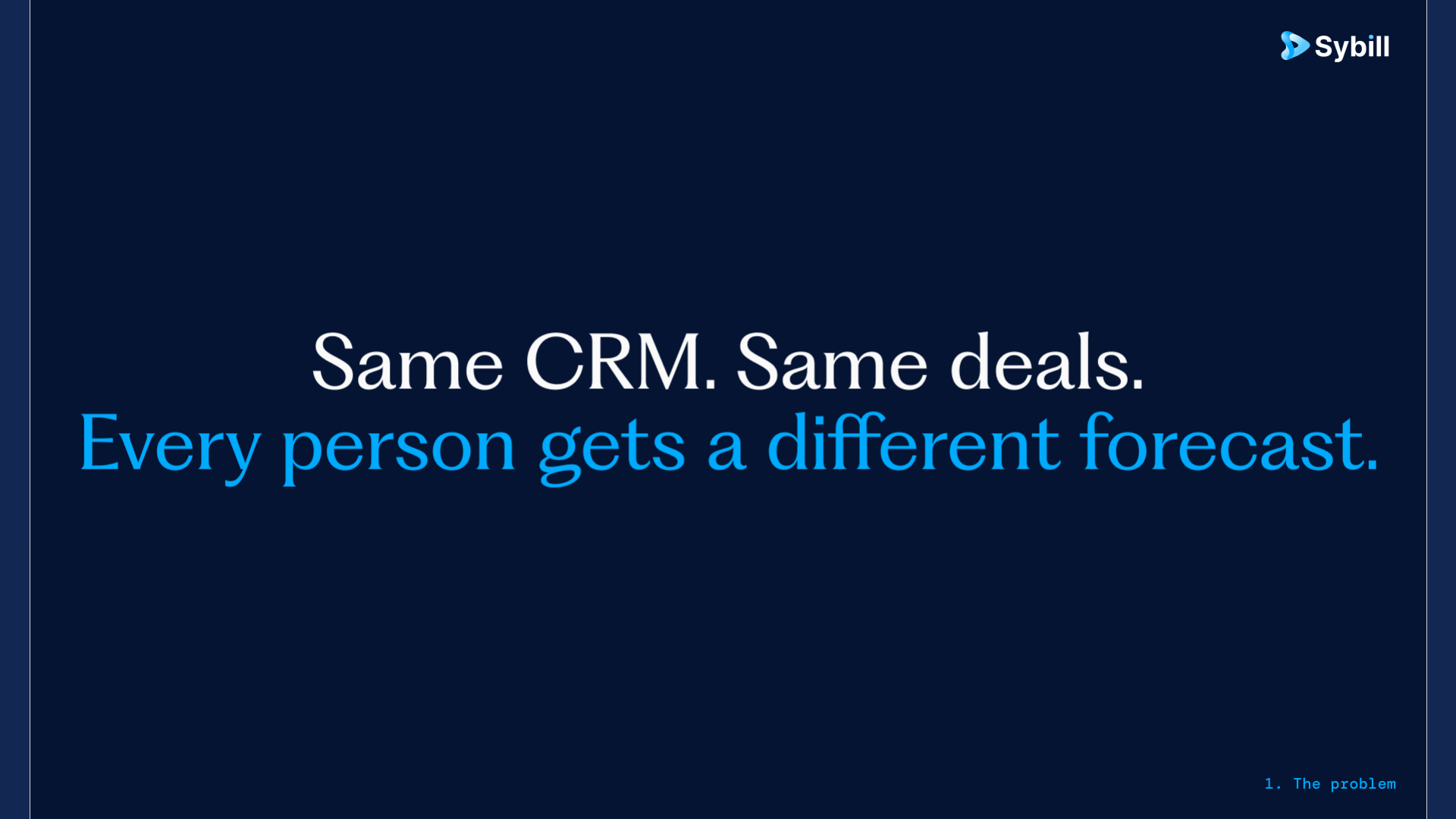
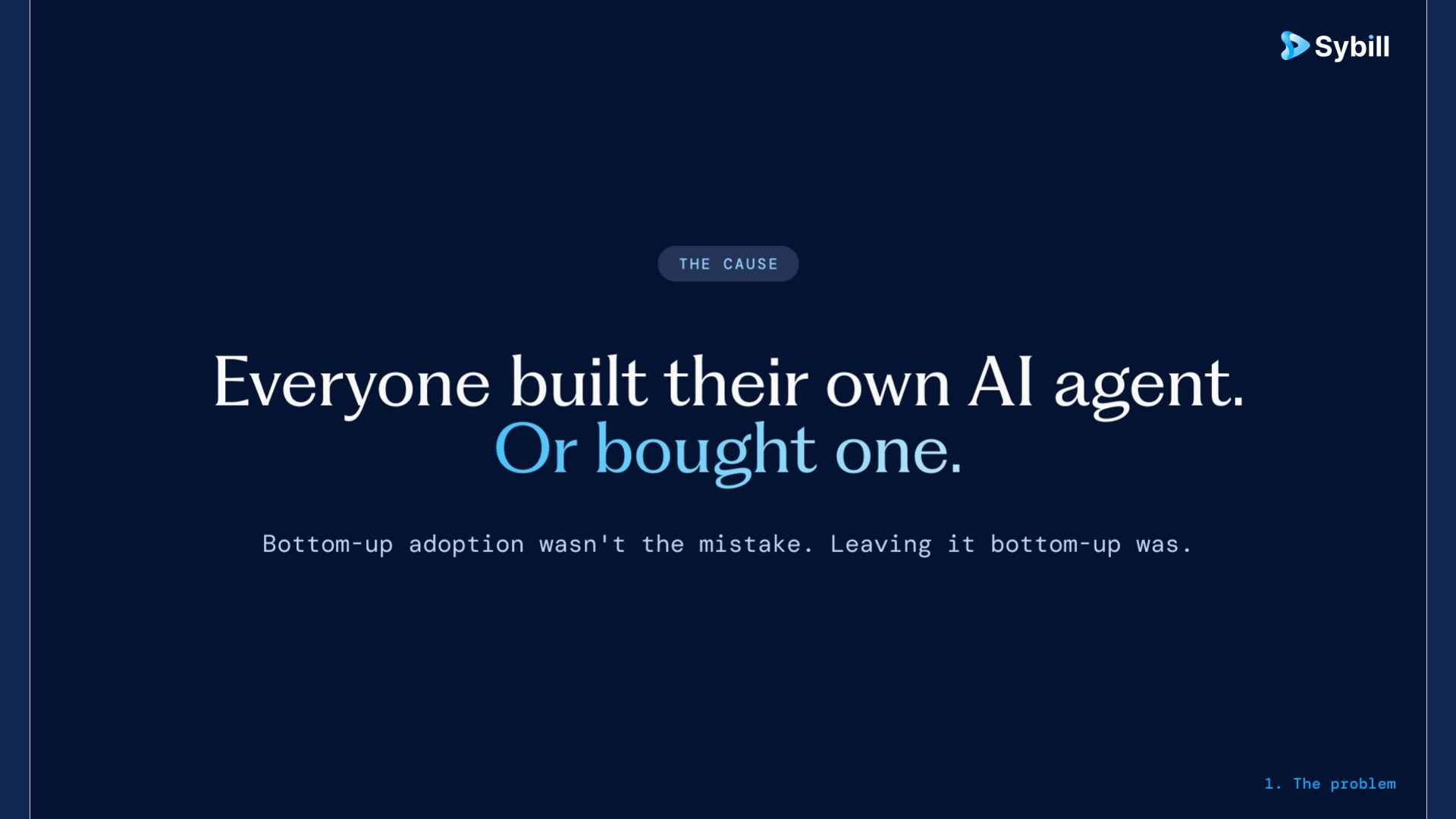
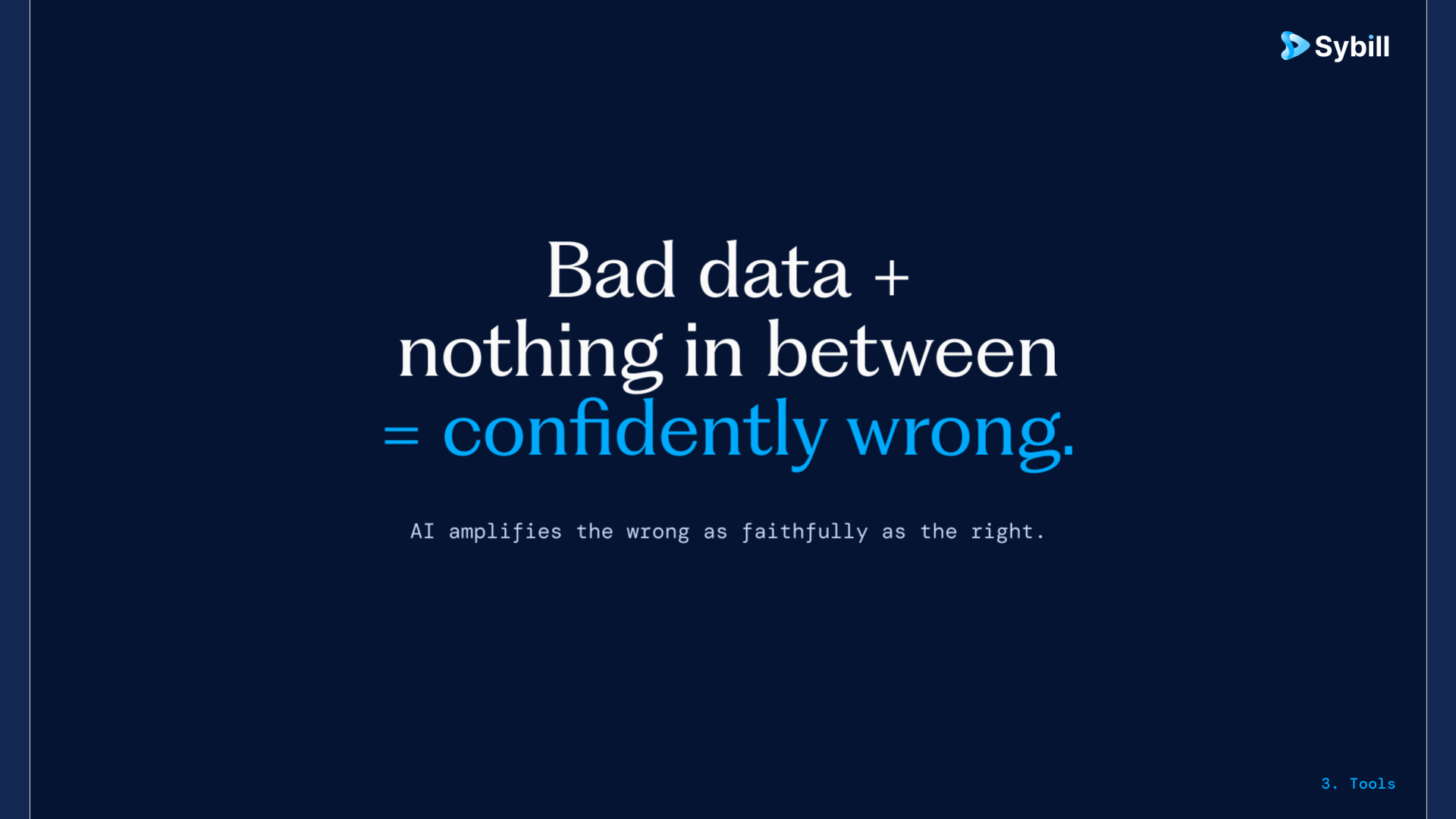
That gap isn't about teams failing to adopt AI. It's about how the AI is set up. AI came into sales from the bottom up. Reps built their own GPTs, managers bought point tools, and RevOps wired together a few agents of its own. Each of these reads the same CRM and the same deals, and each one produces a different forecast. Bad data with nothing in between doesn't make AI occasionally wrong. It makes AI confidently wrong, because AI amplifies the wrong as faithfully as the right.
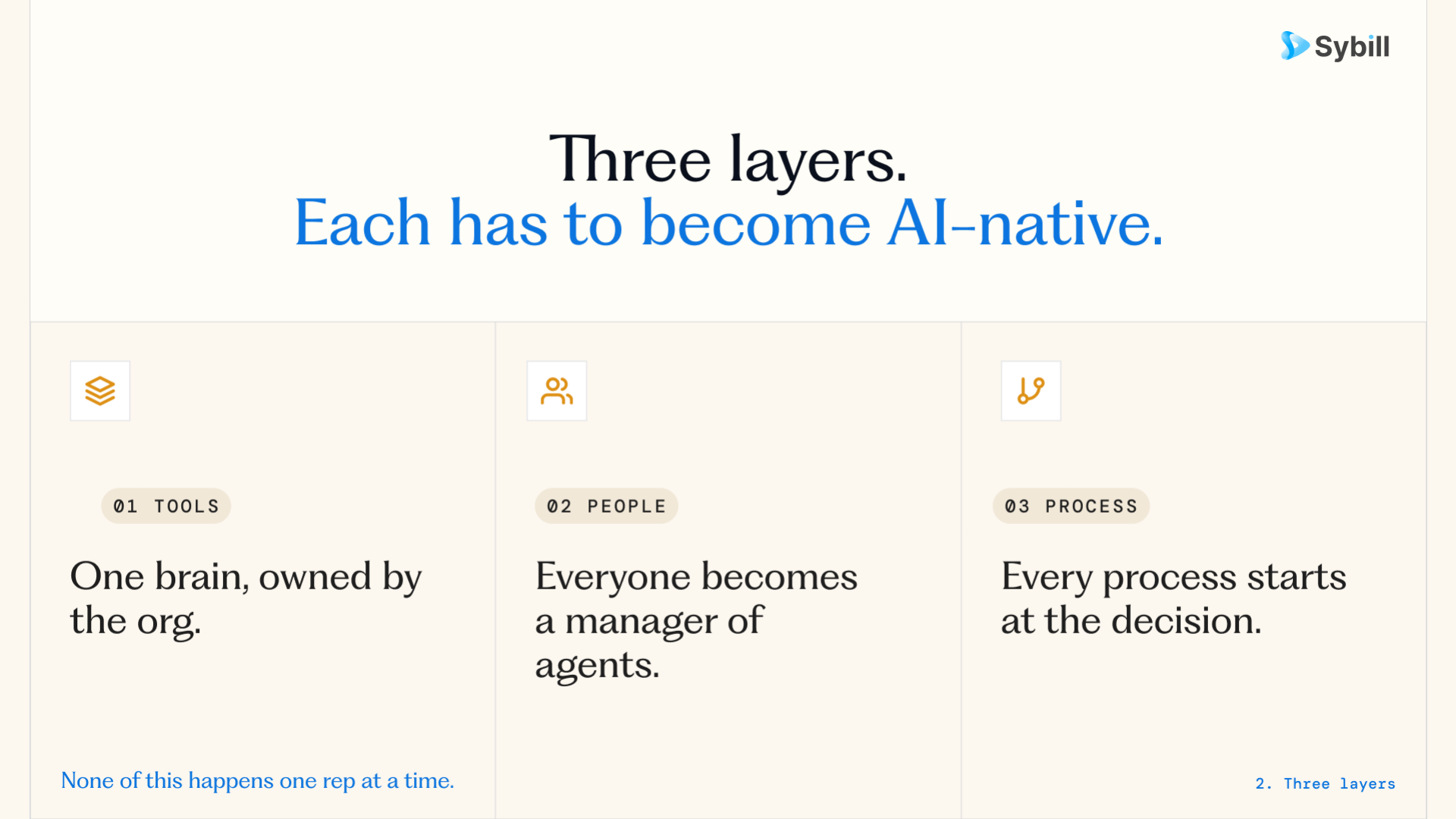
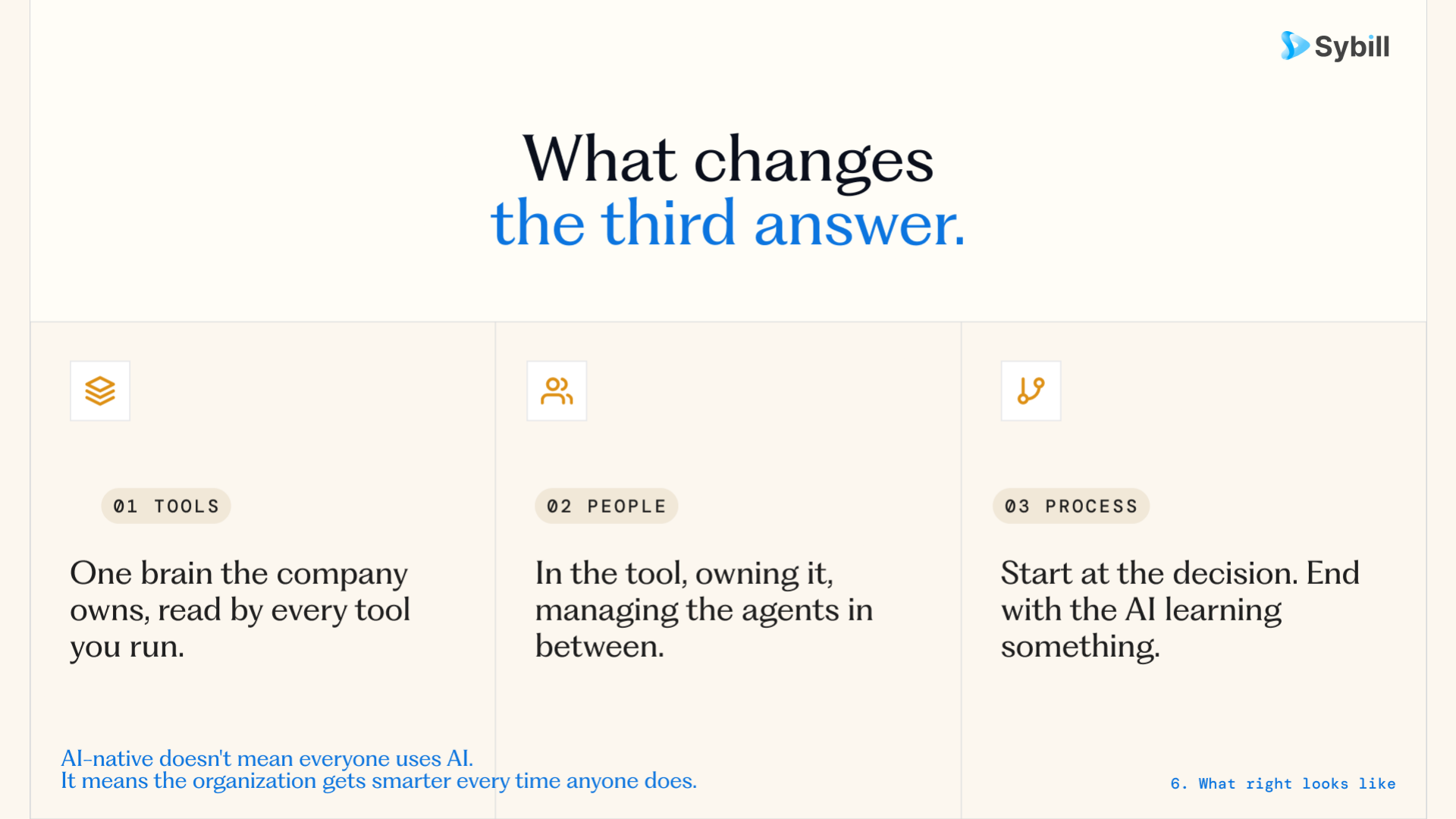
An AI-native sales org is one where AI runs on a single shared context layer owned by the company, every person manages agents instead of prompting them one-off, and every process feeds outcomes back so the AI learns from each deal. By that definition, most teams "using AI" today aren't AI-native yet.
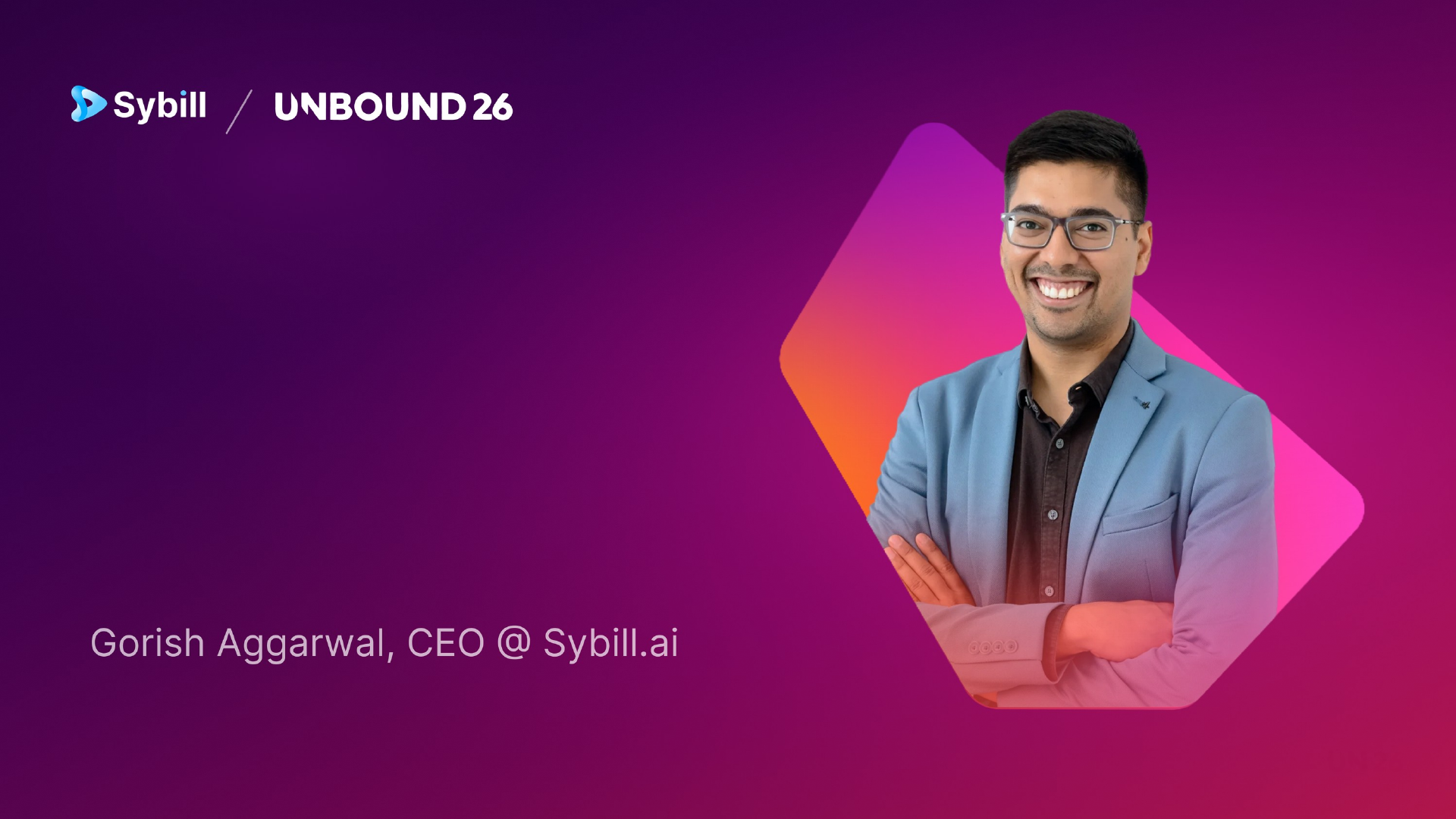
The slides below are from "Everyone added AI to their sales org. Most did it wrong," a talk by Gorish Aggarwal, CEO of Sybill, at HubSpot UNBOUND 26. It covers why bottom-up AI adoption breaks, the three layers every revenue team has to rebuild, and what to change first.
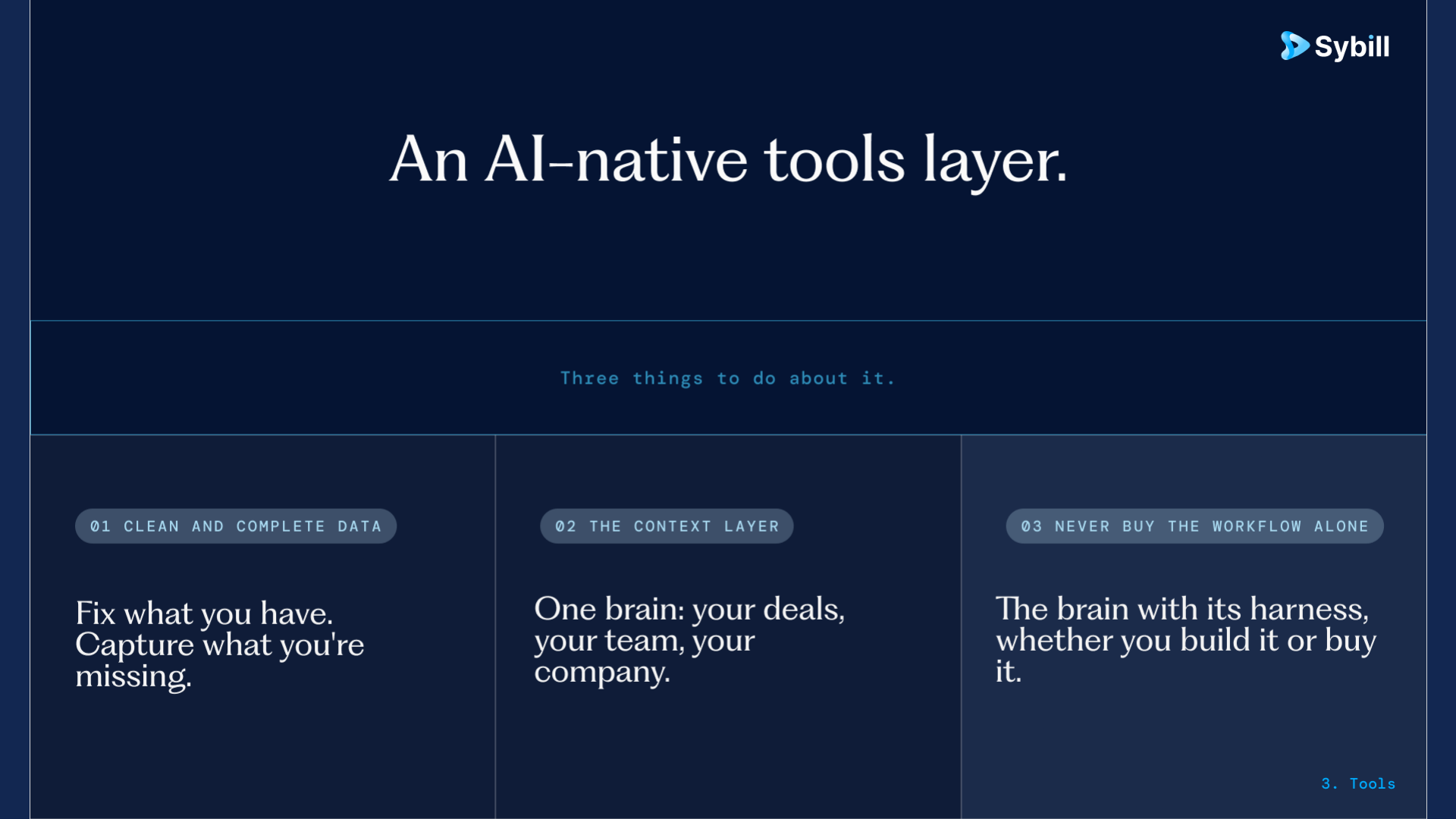
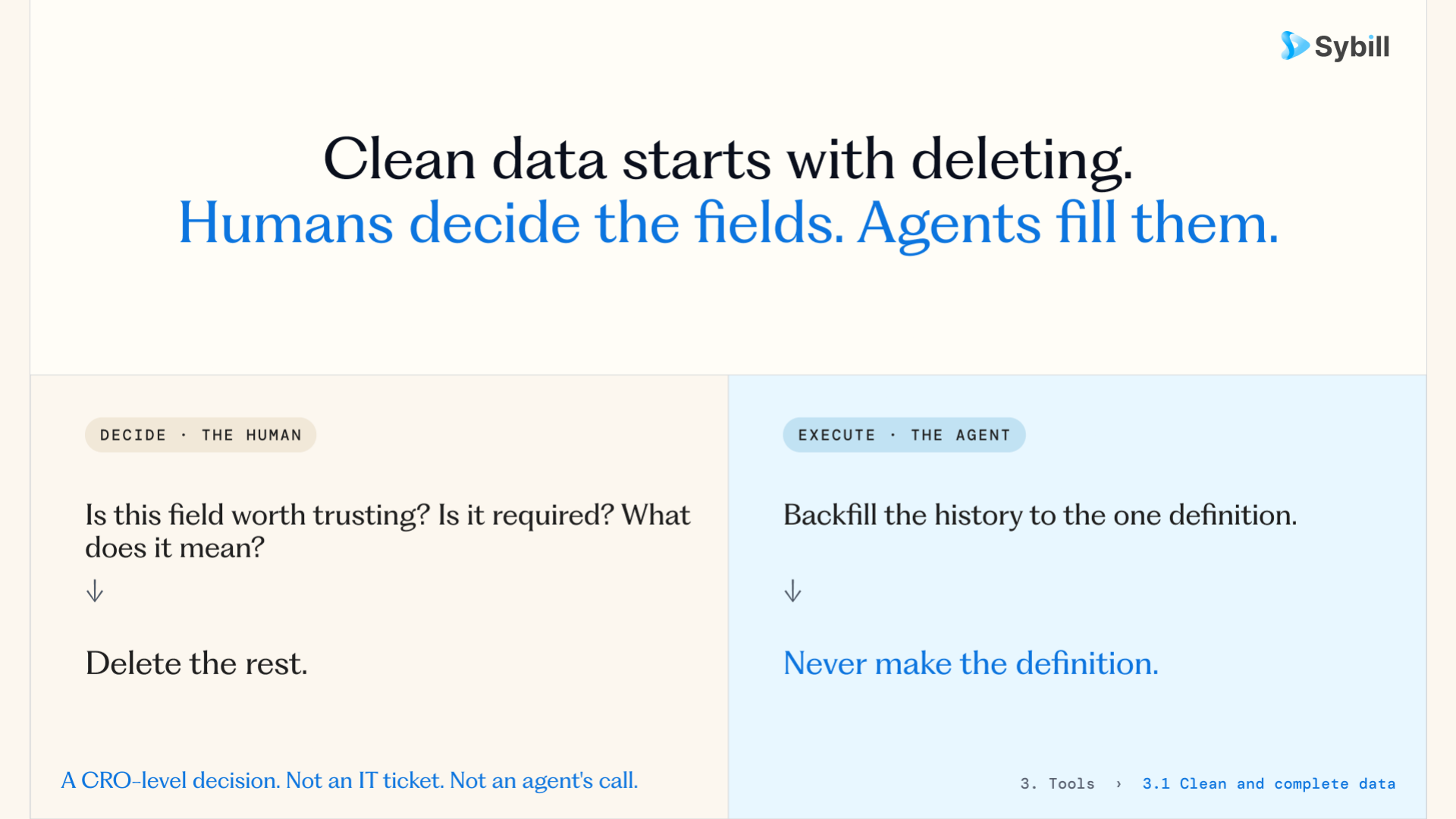
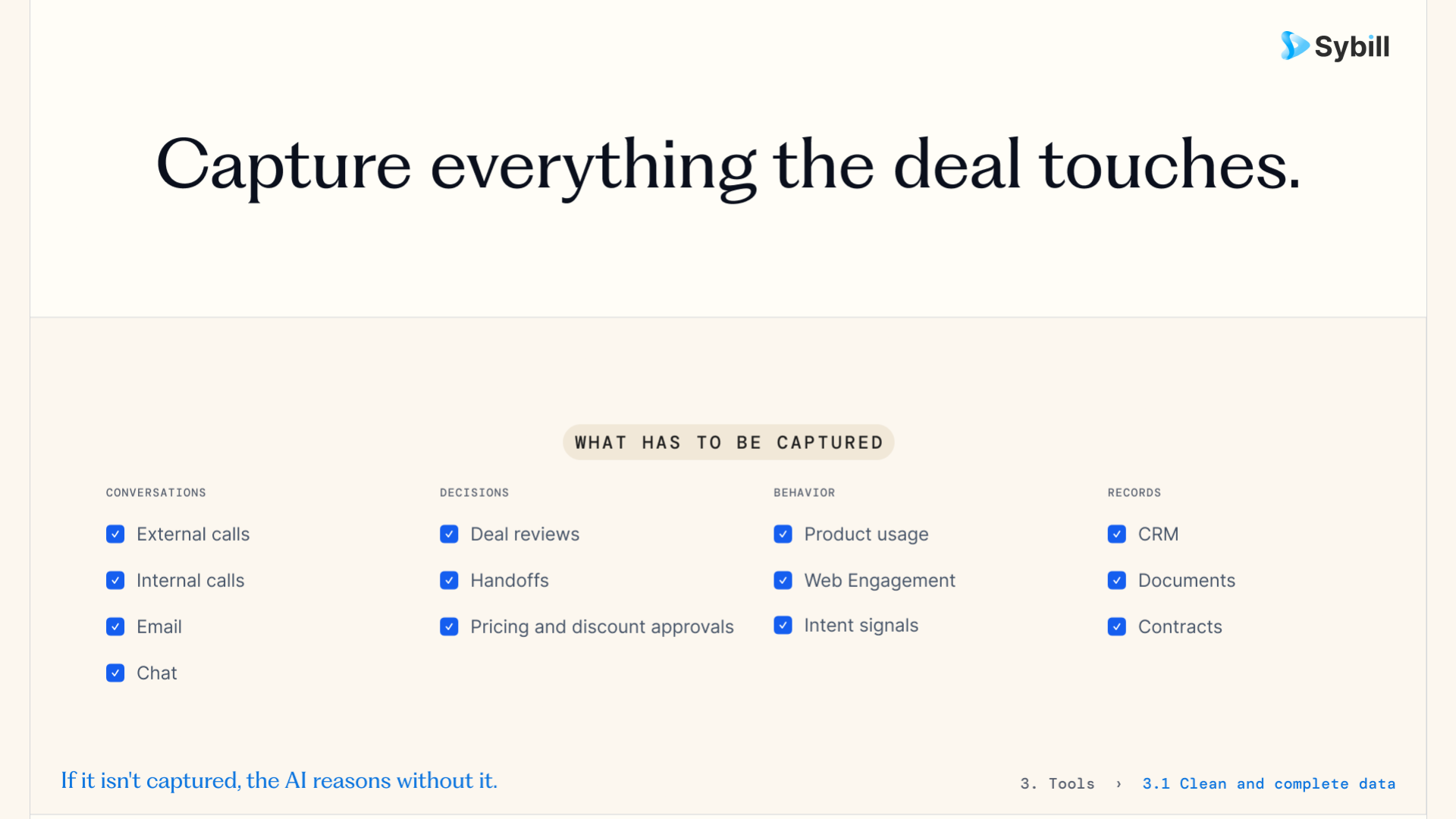
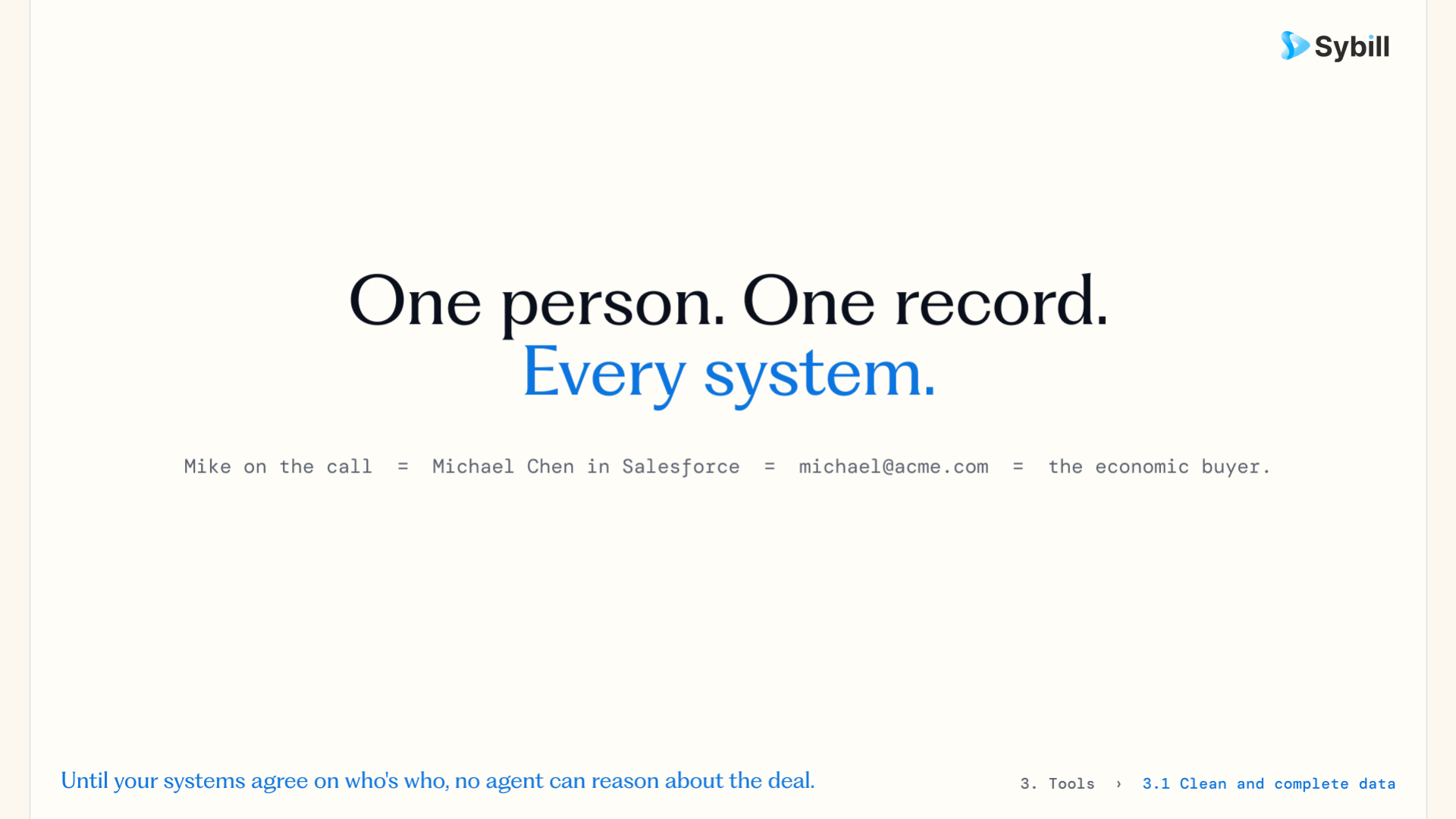
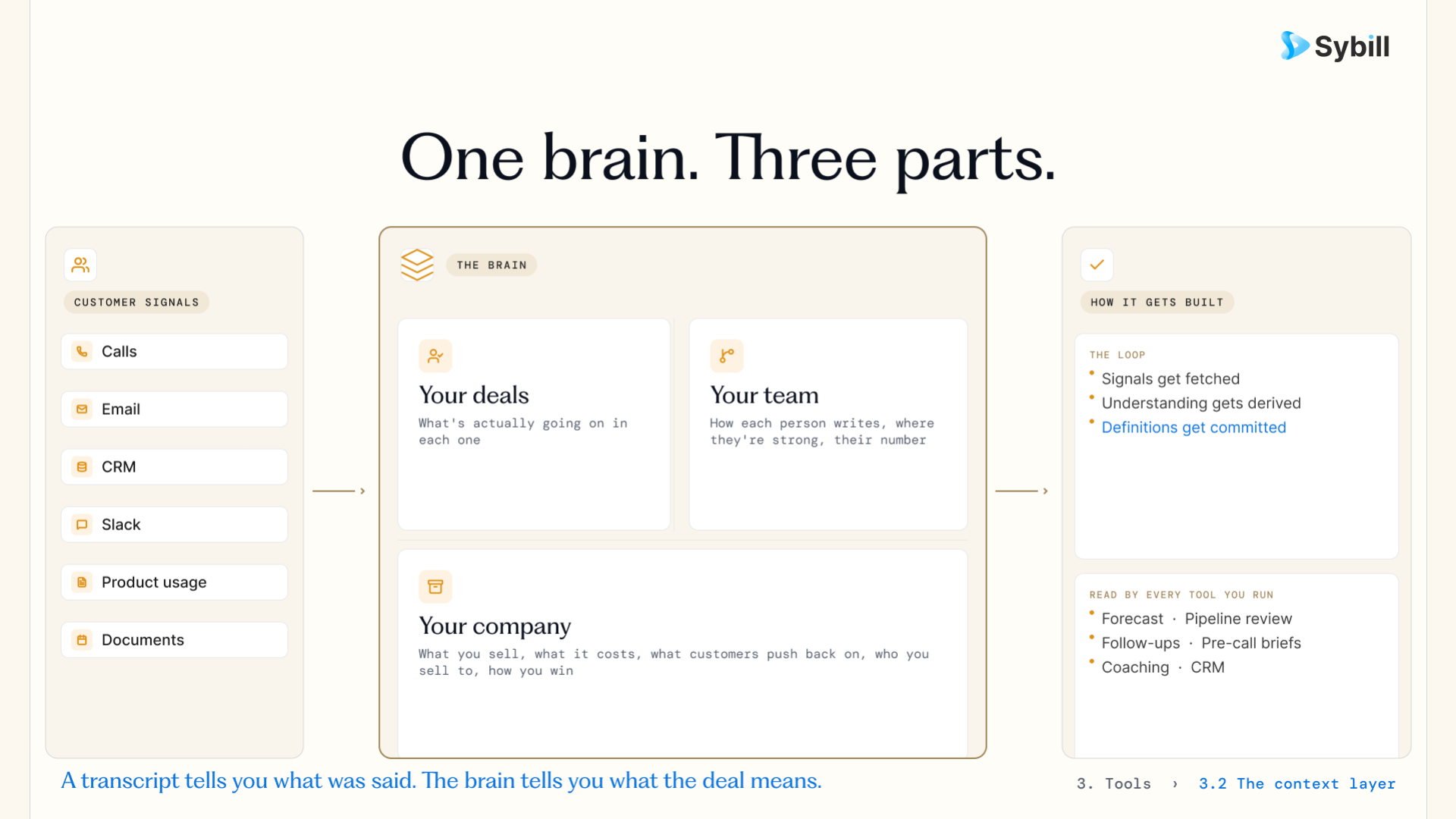
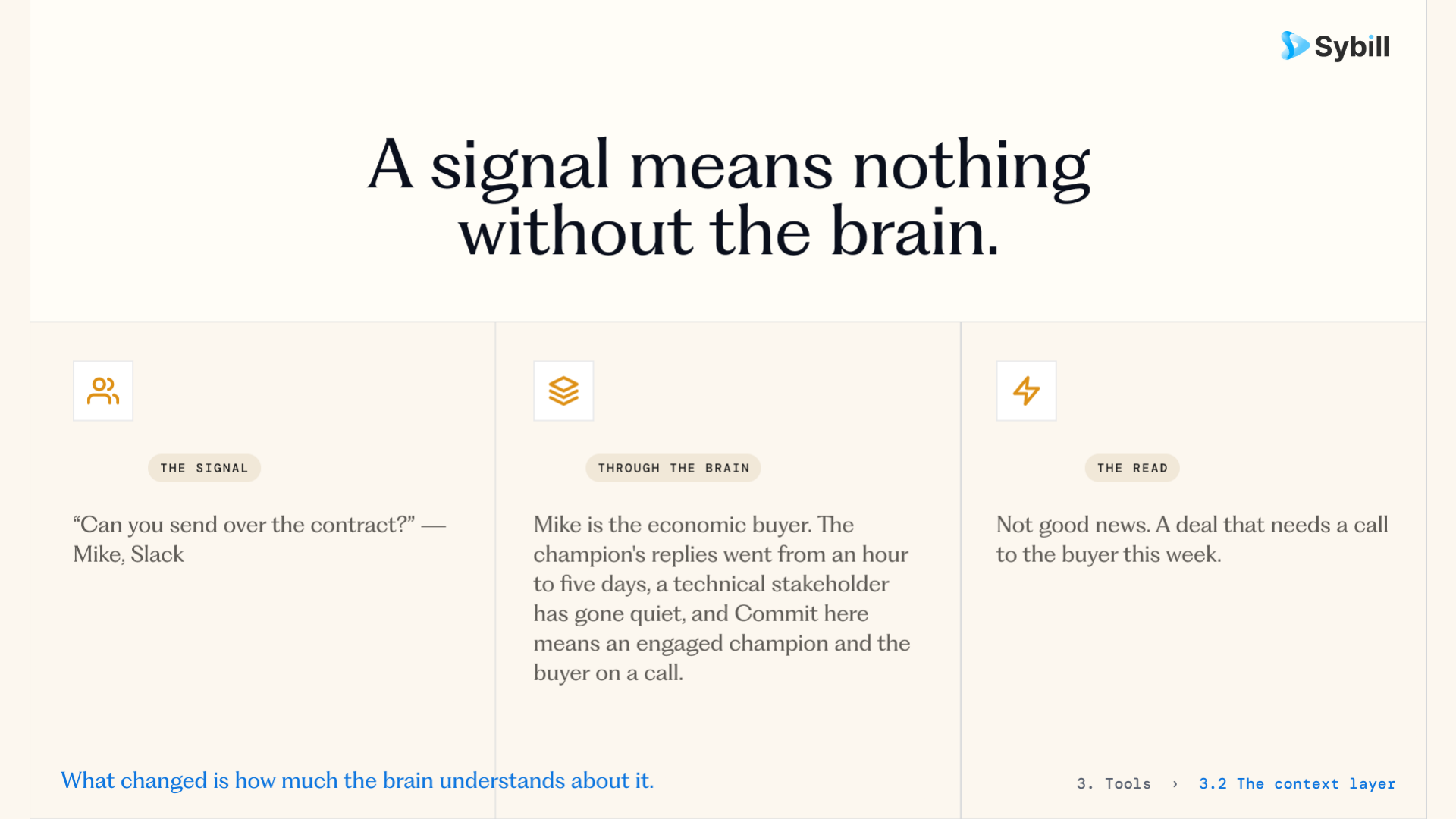
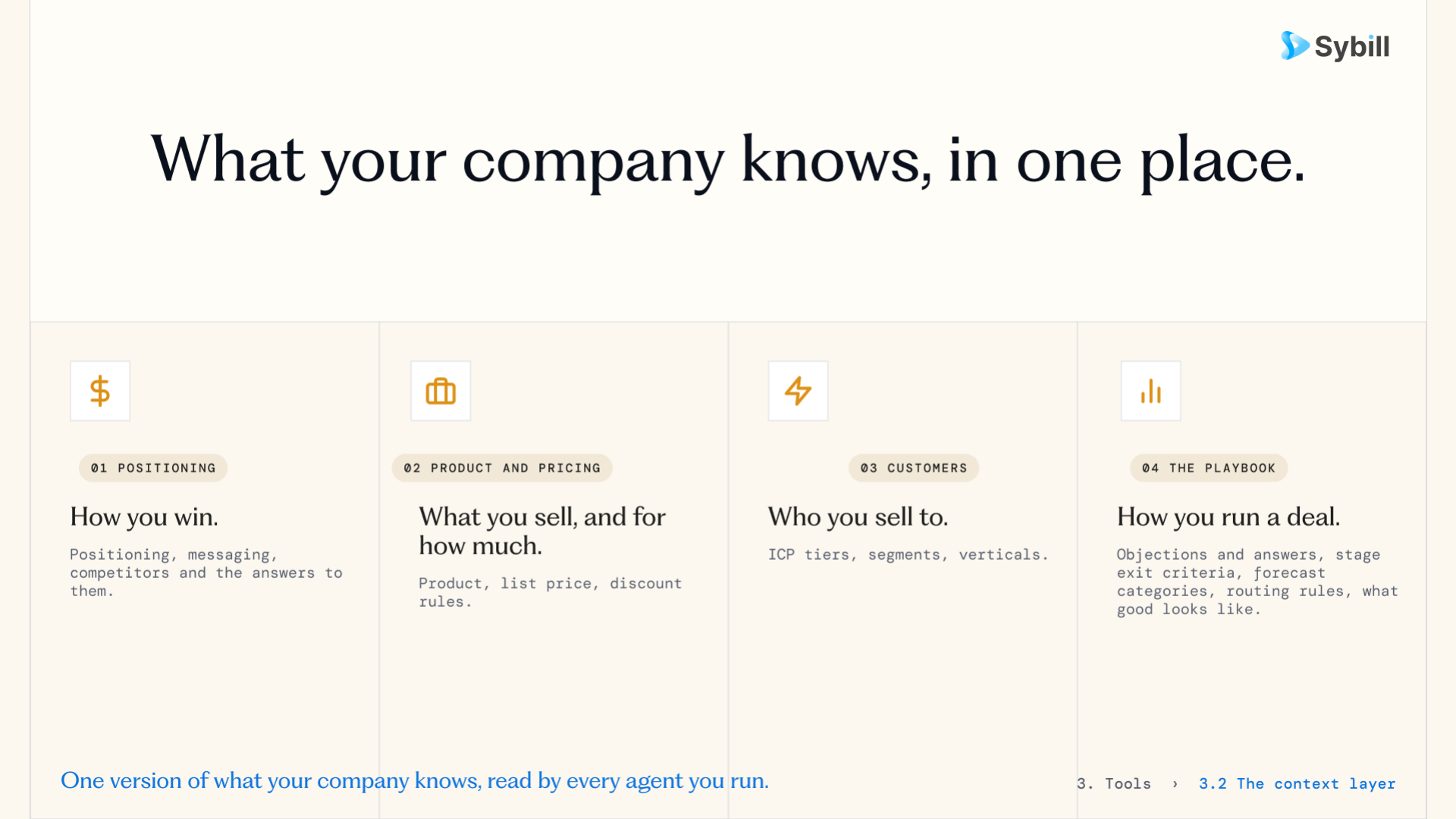
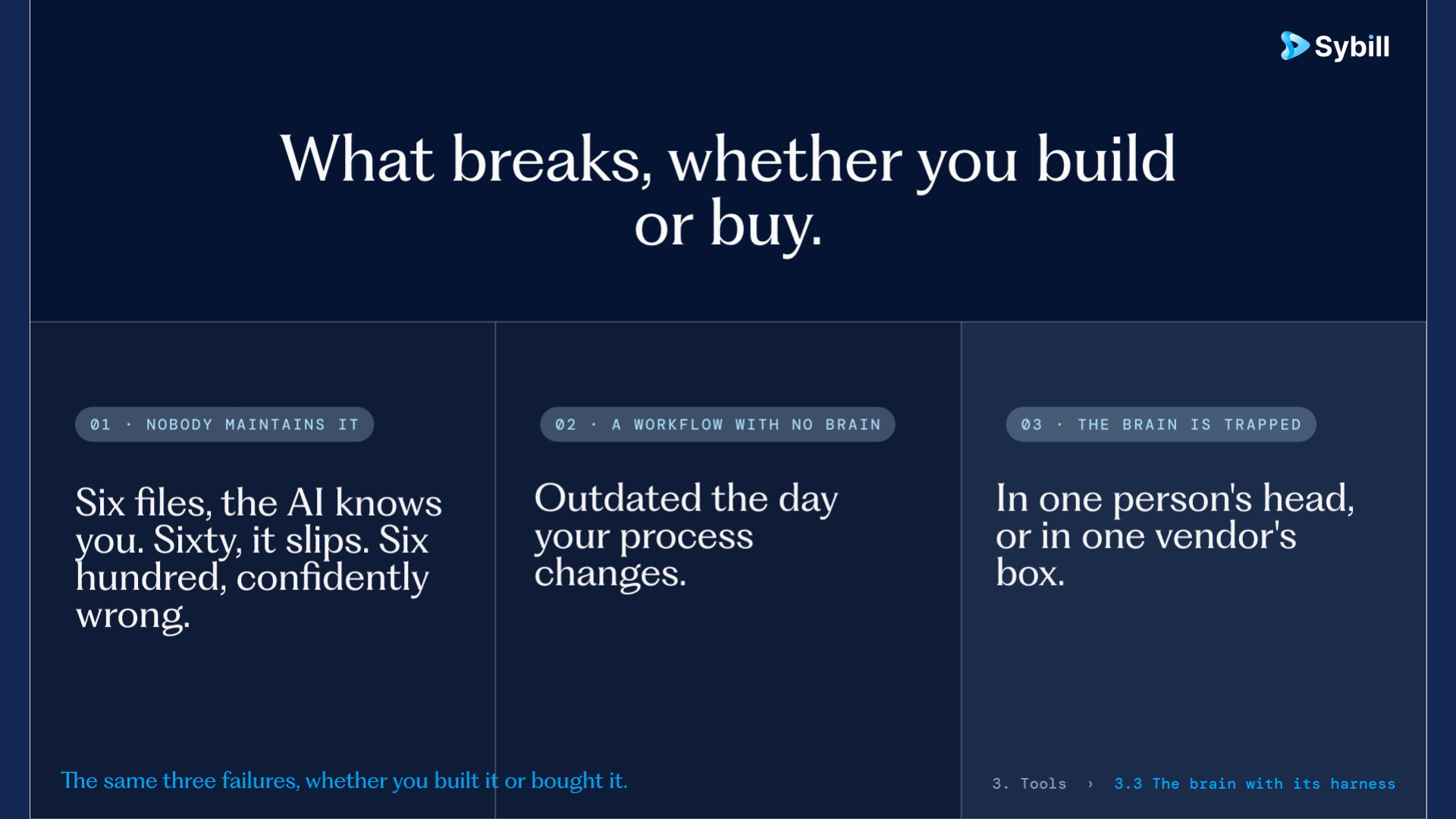
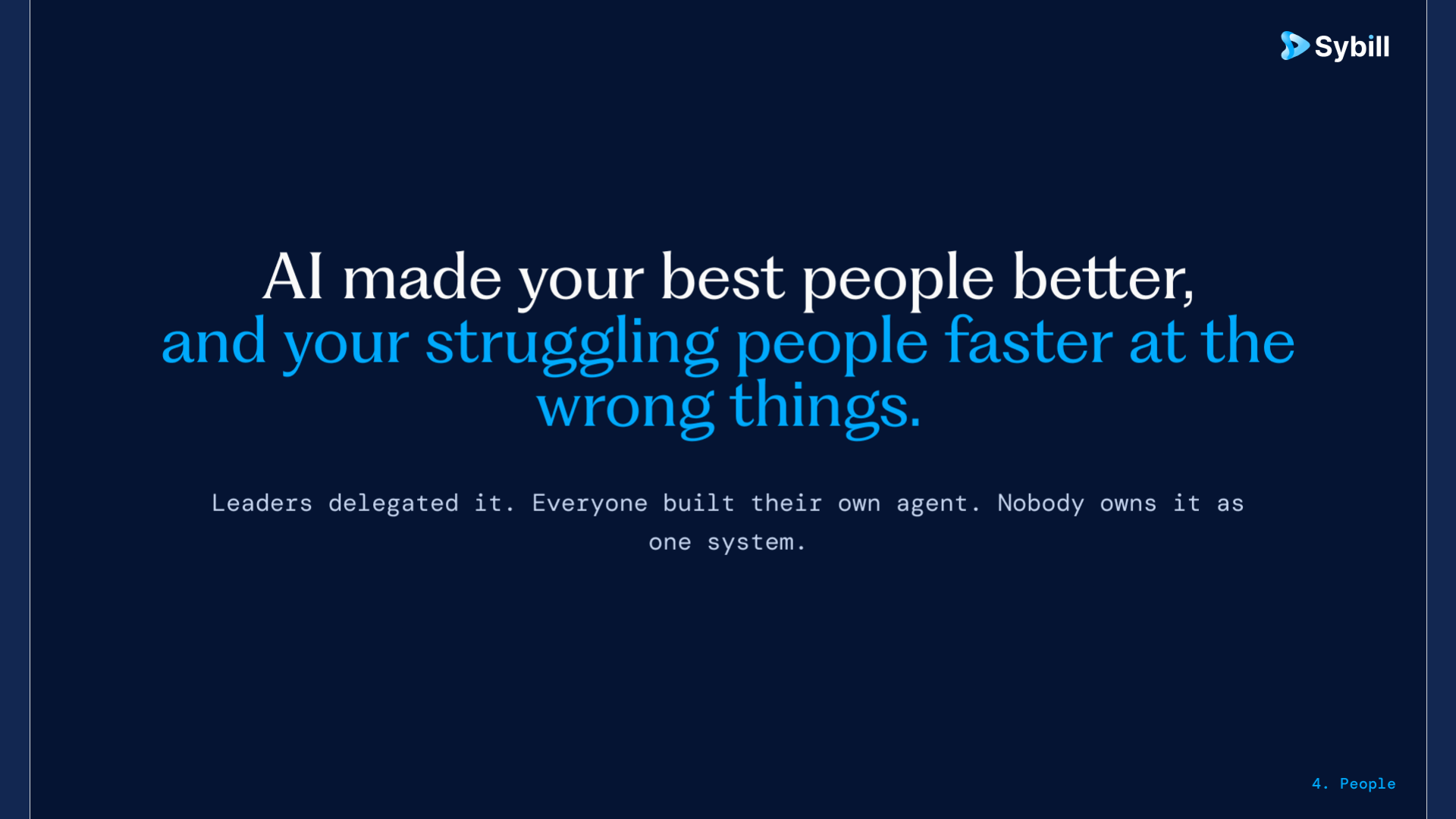
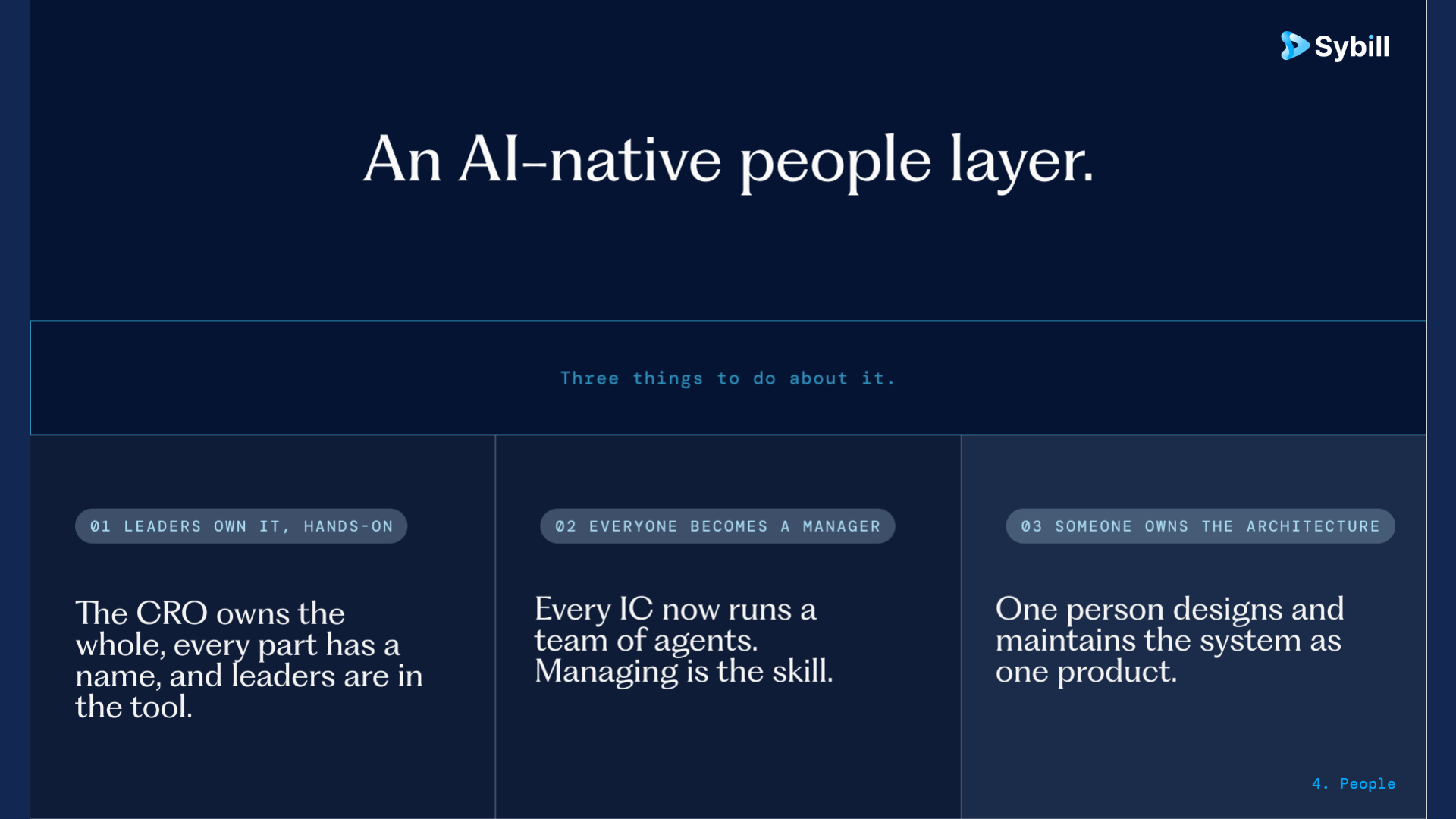
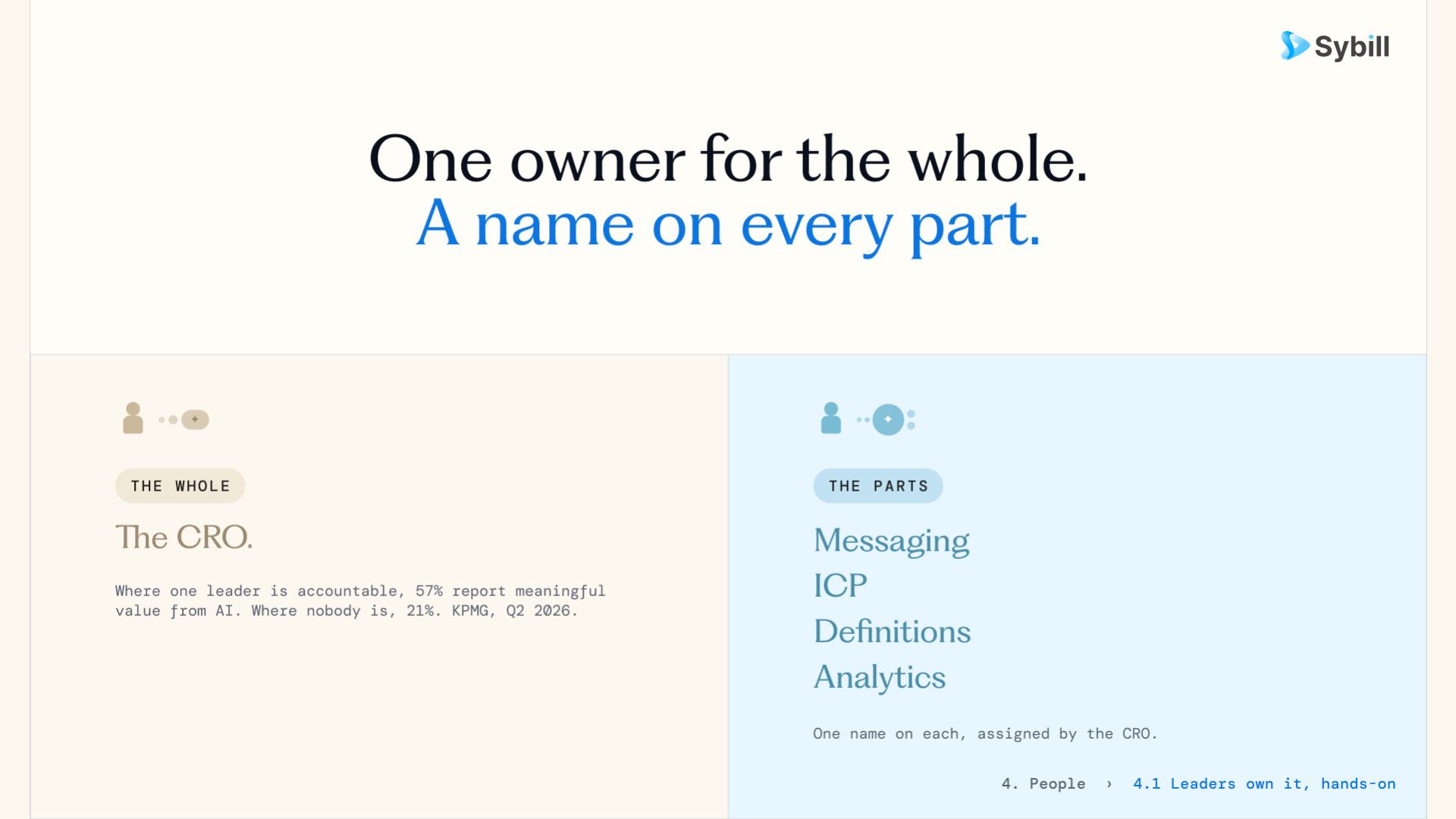
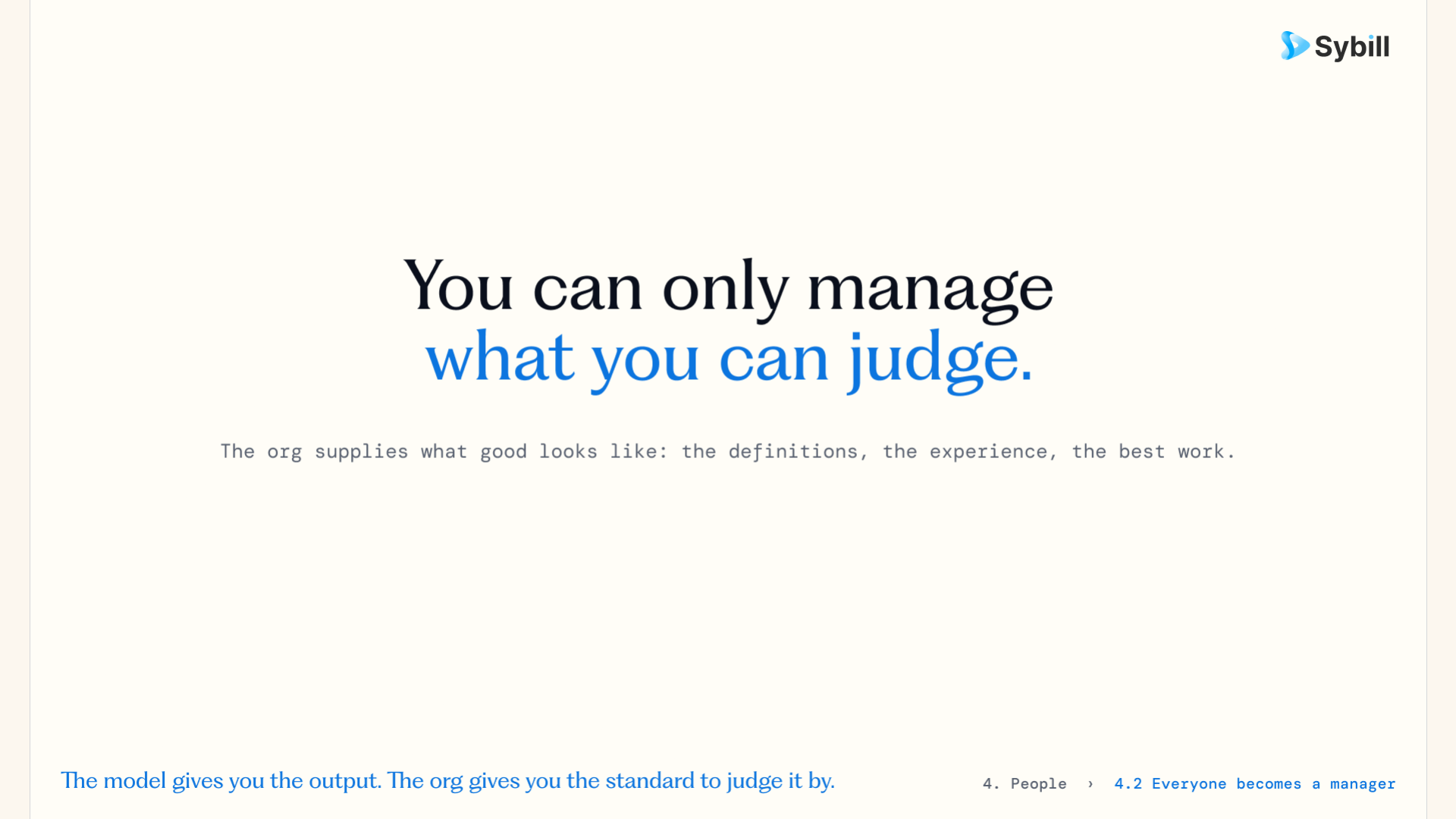
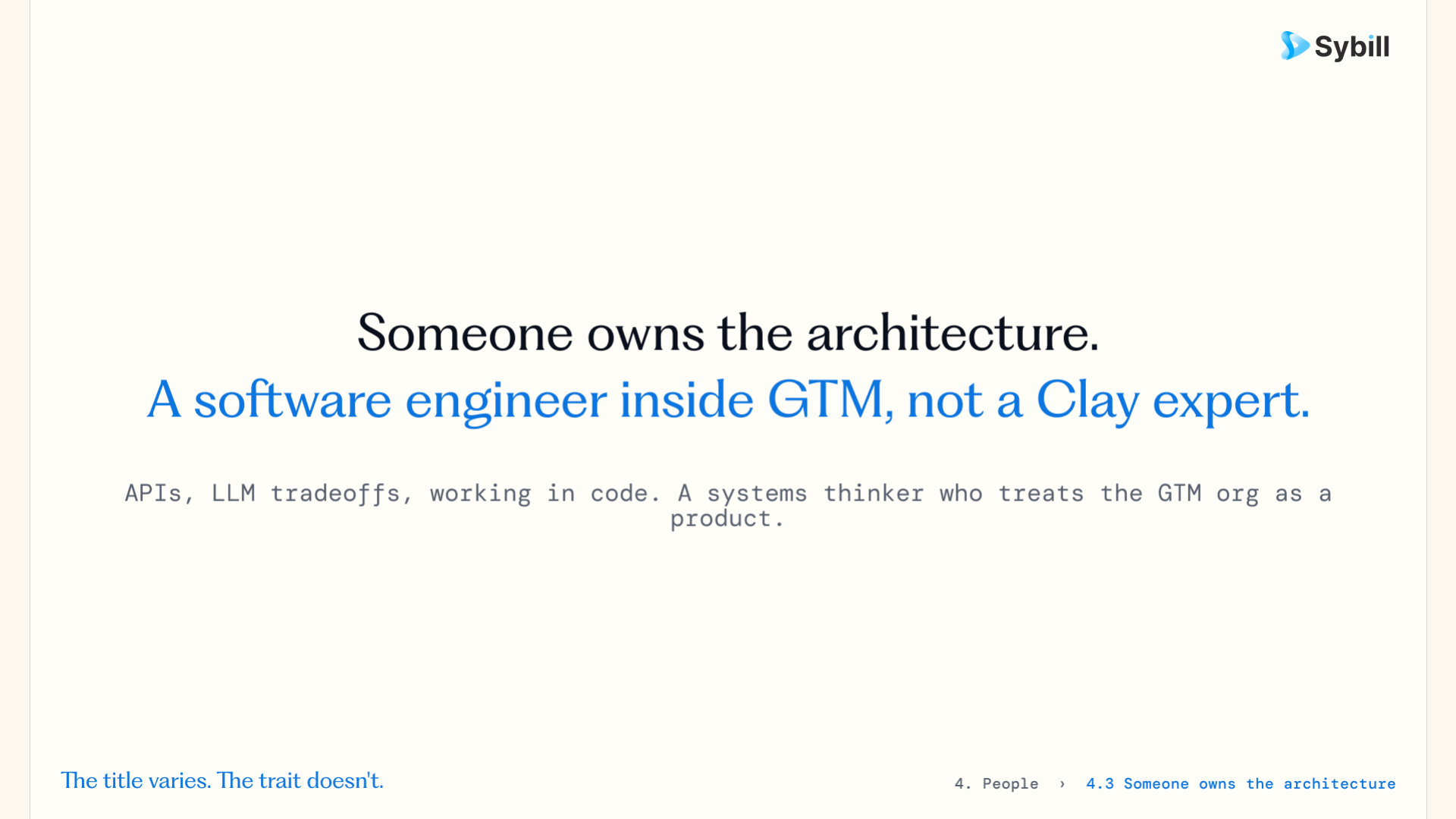
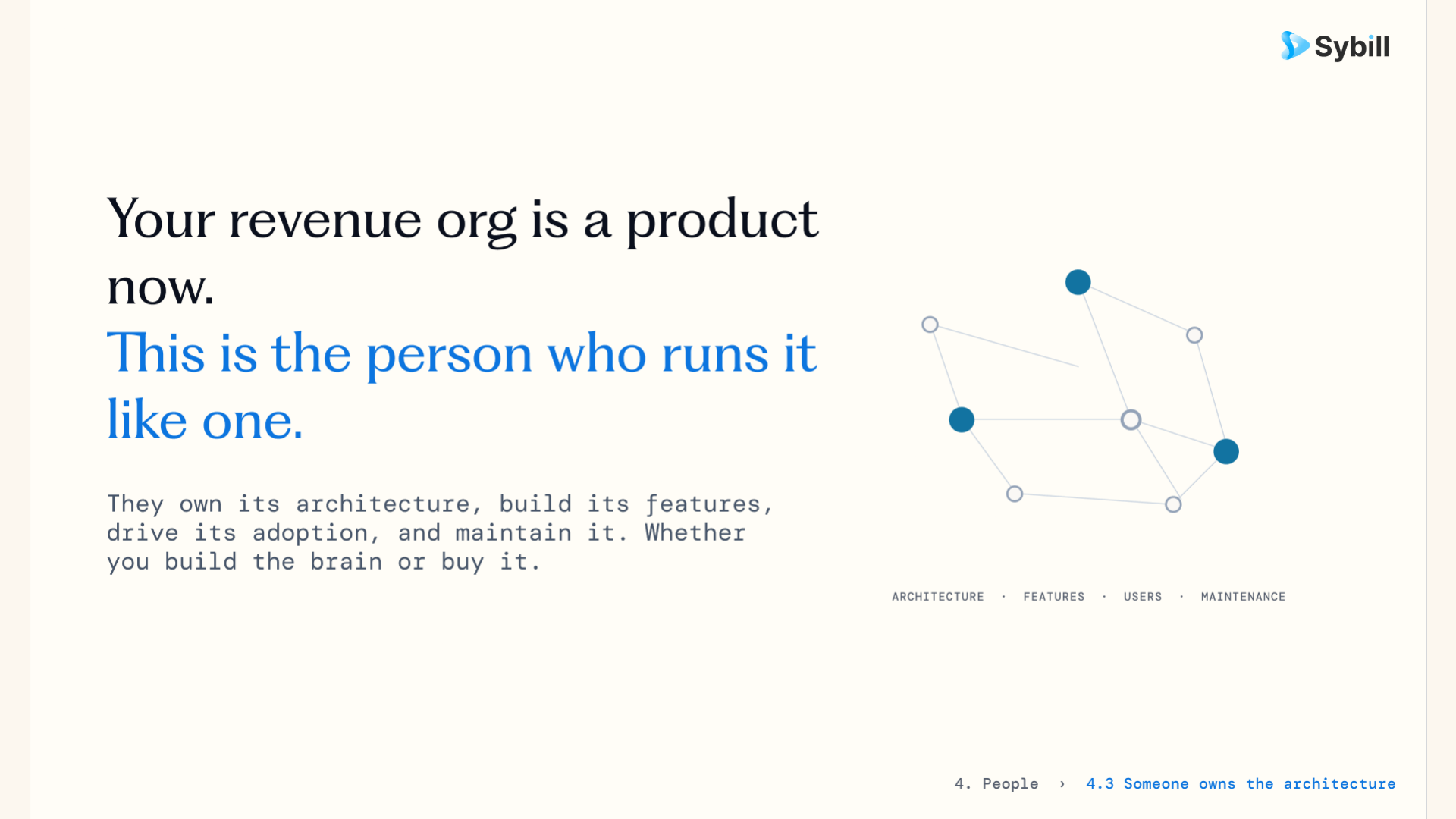
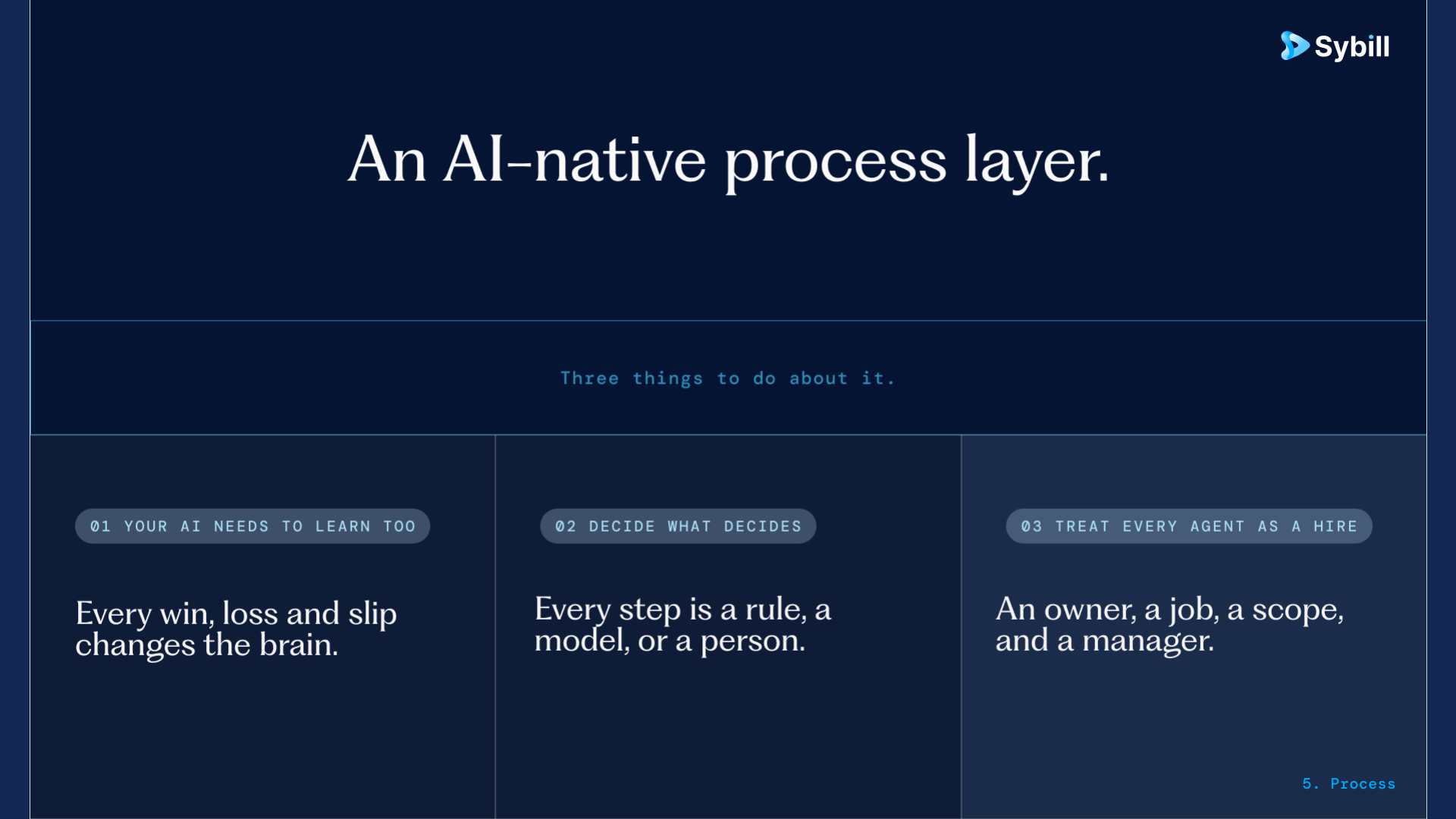
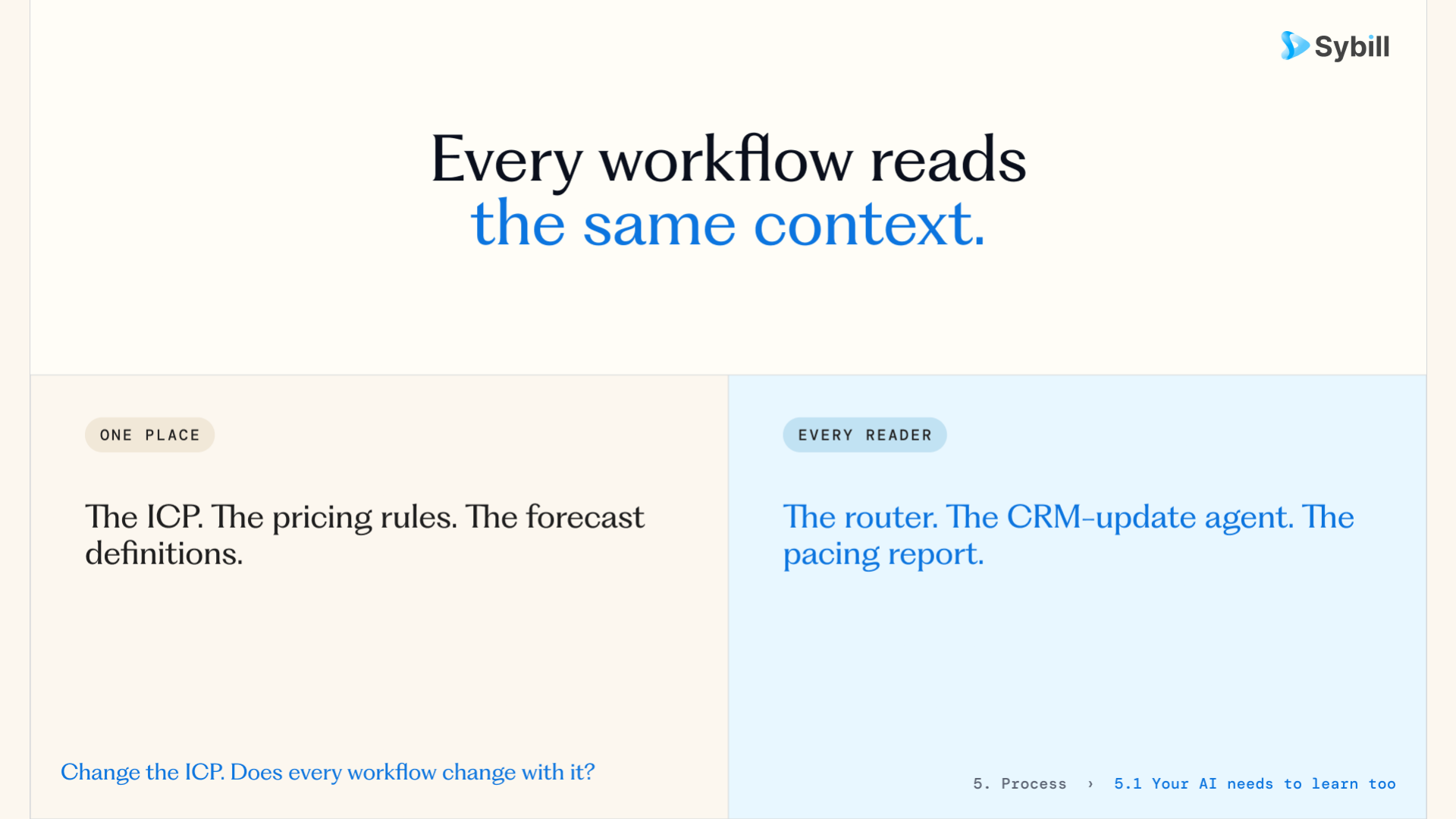
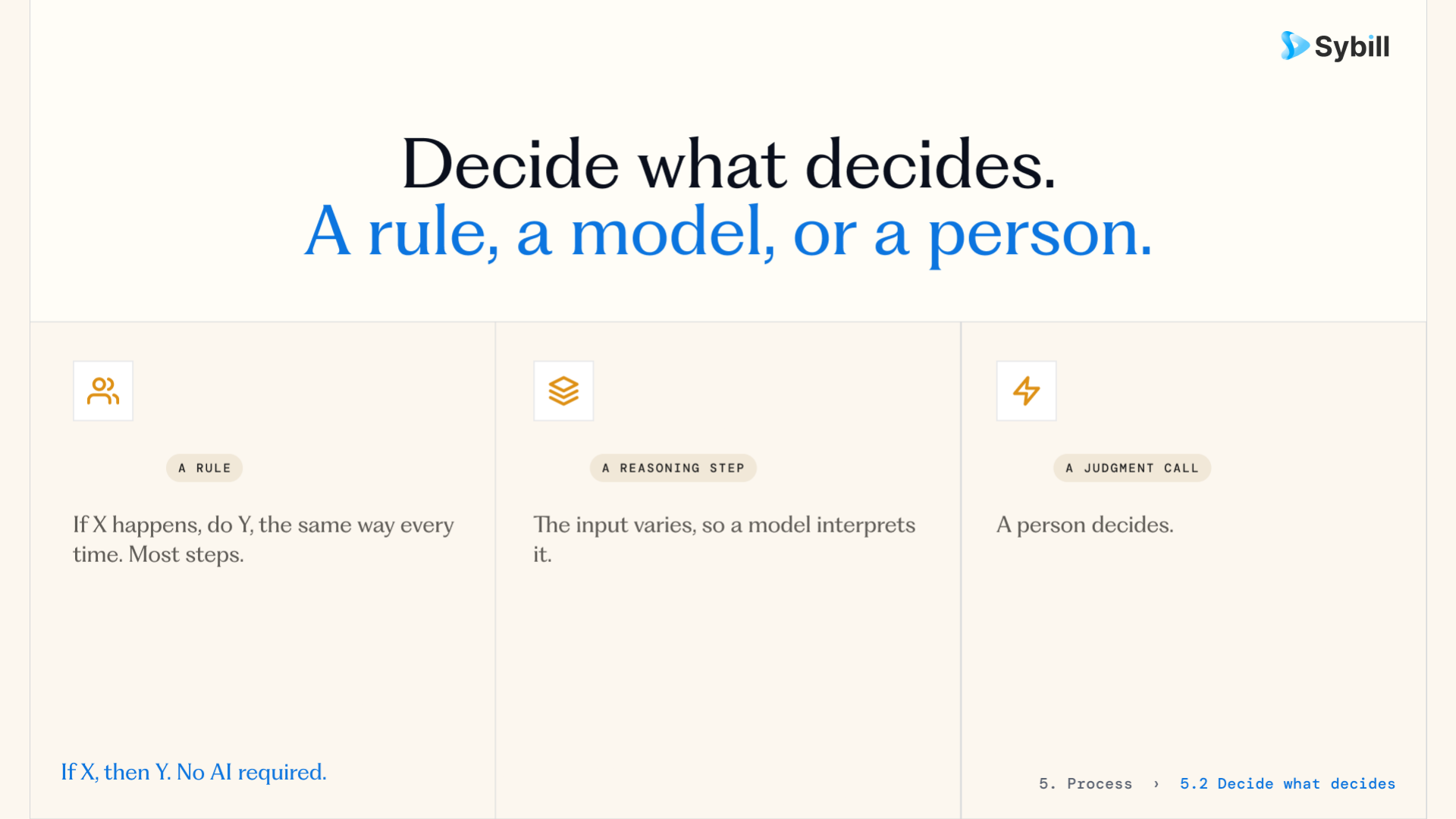
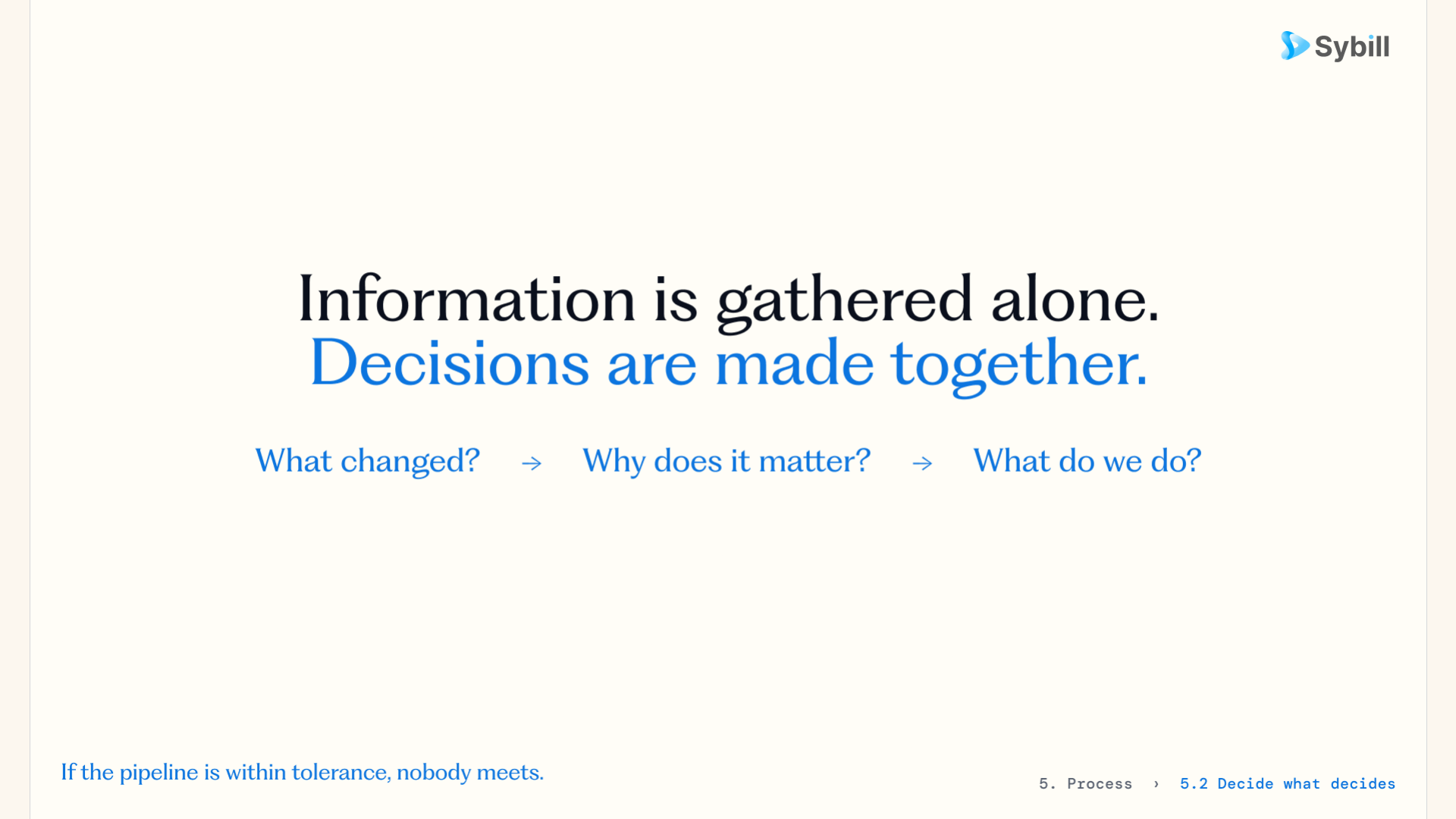
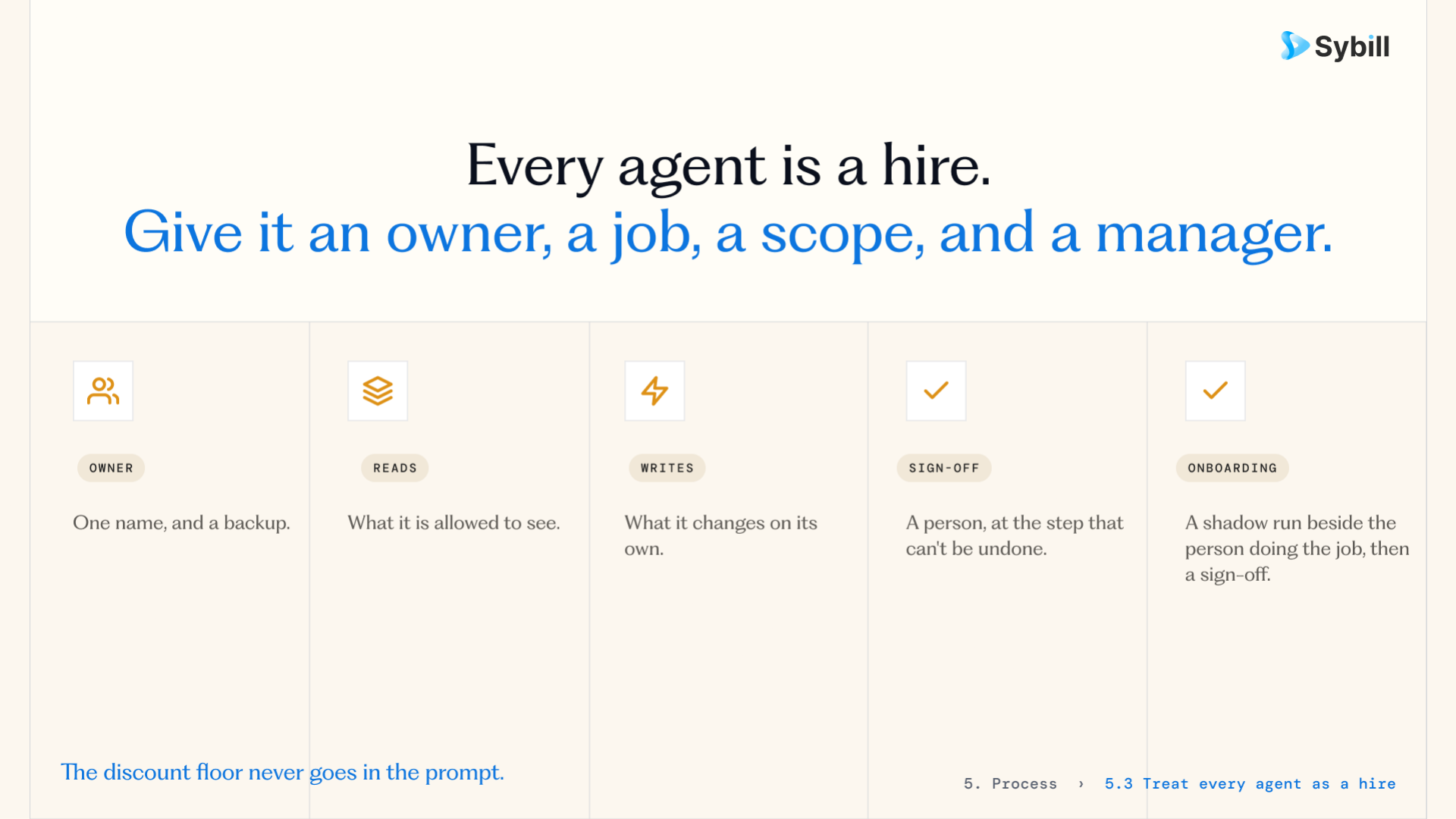
Adding AI to a sales team was never the hard part. Nearly every sales org has already done it. The hard part is making sure every agent, rep, and forecast works from the same version of the truth. Without that, you haven't built an AI strategy. You've built dozens of AI experiments that all disagree with each other.
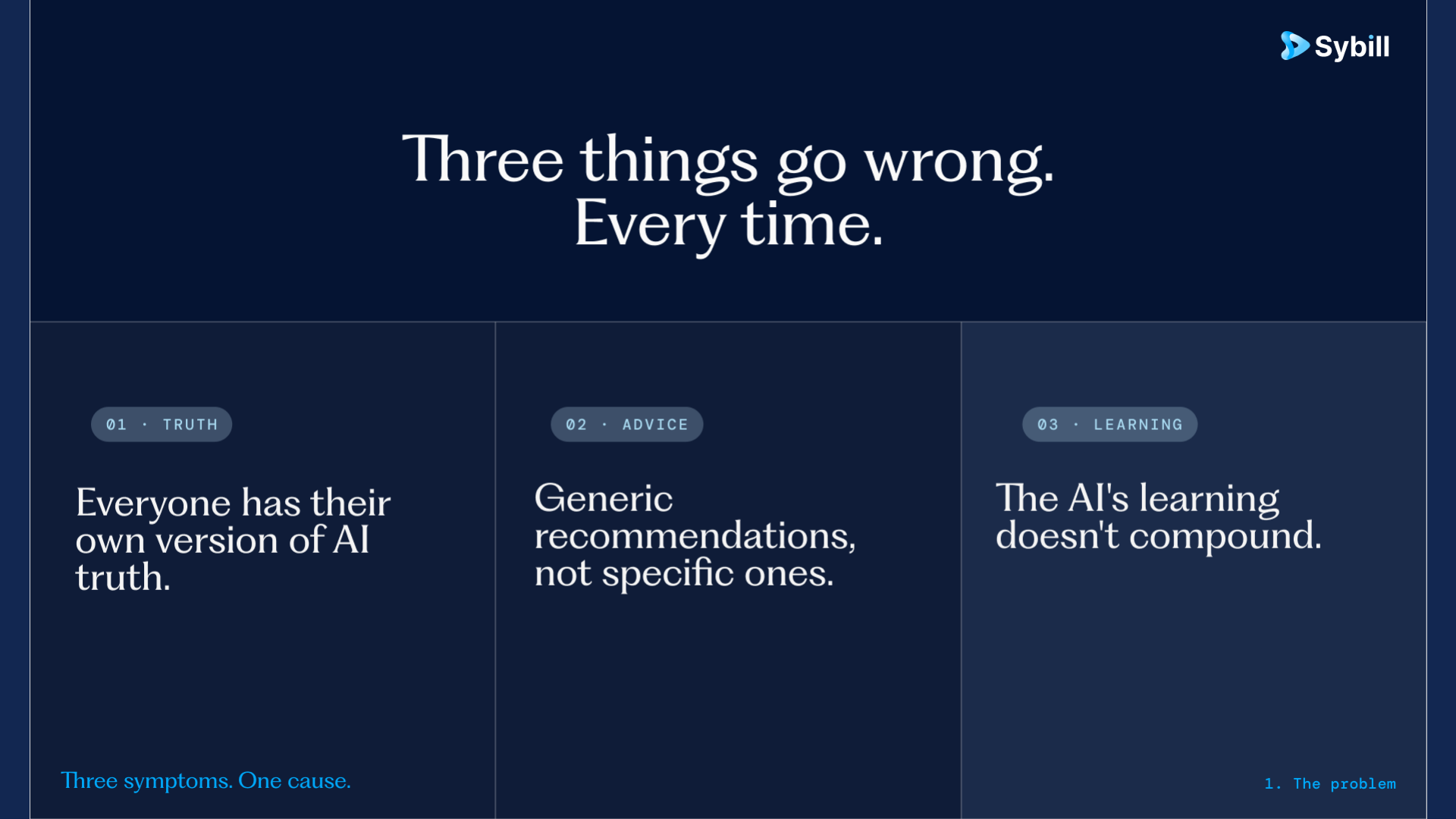
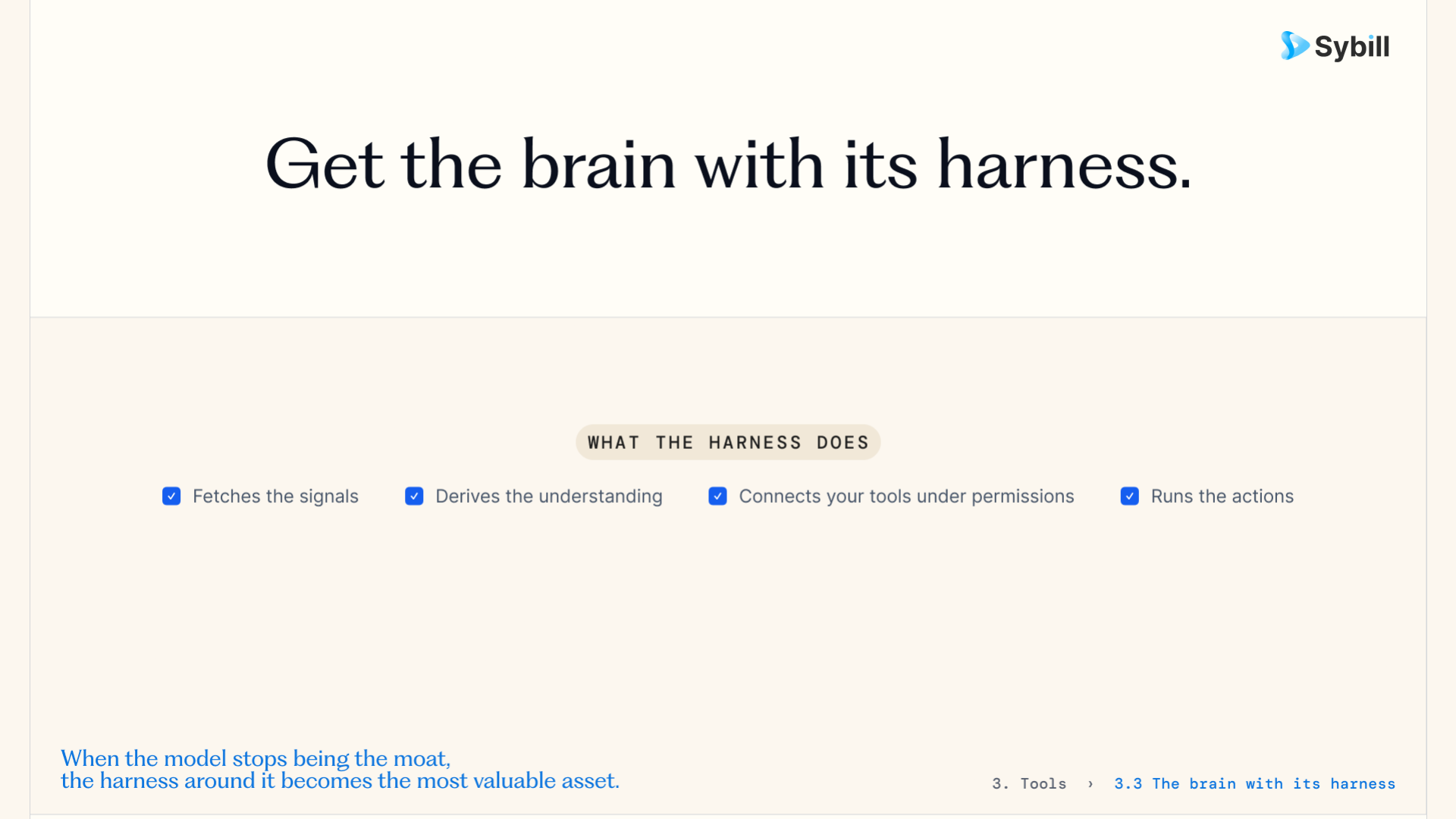
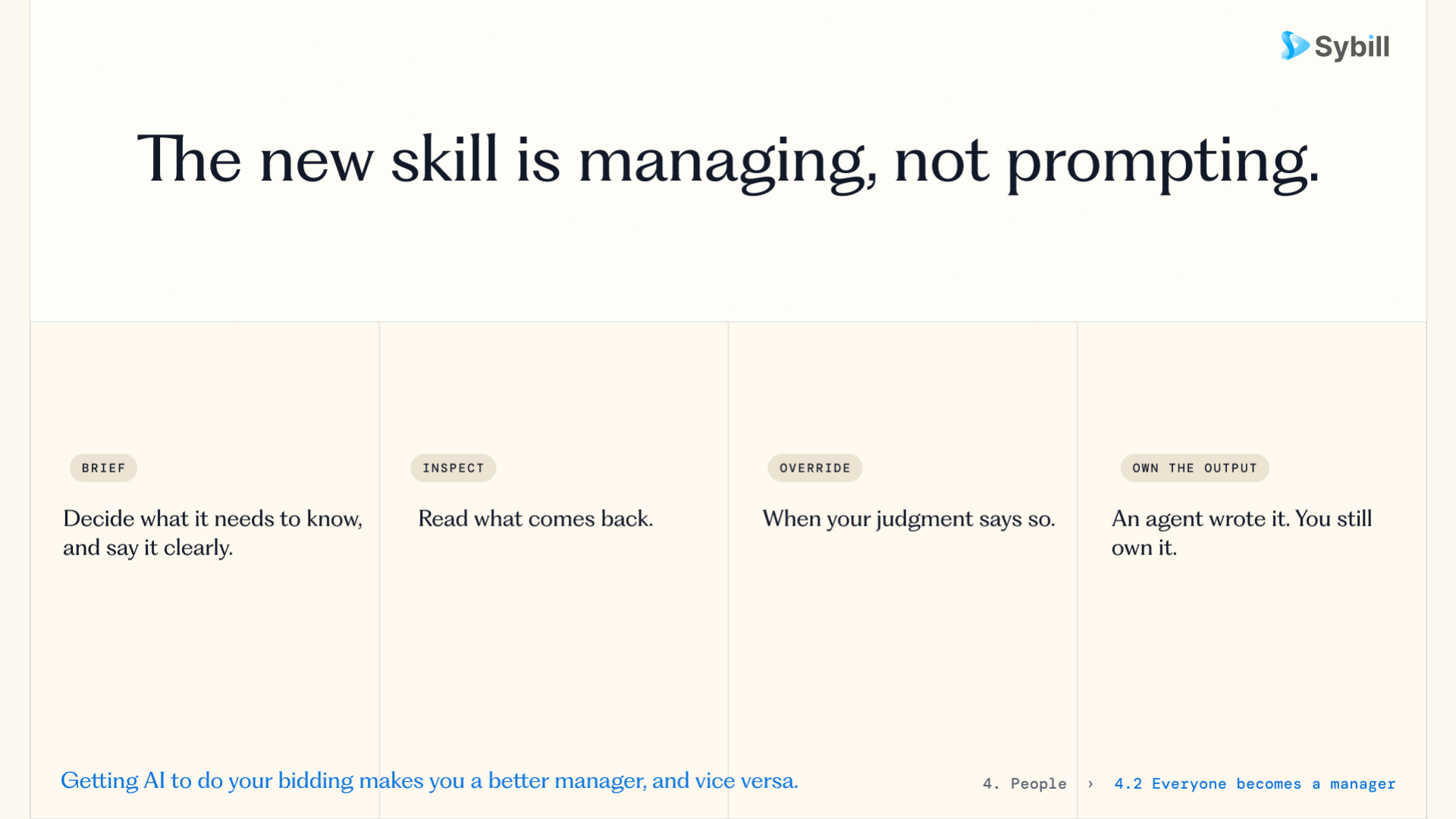
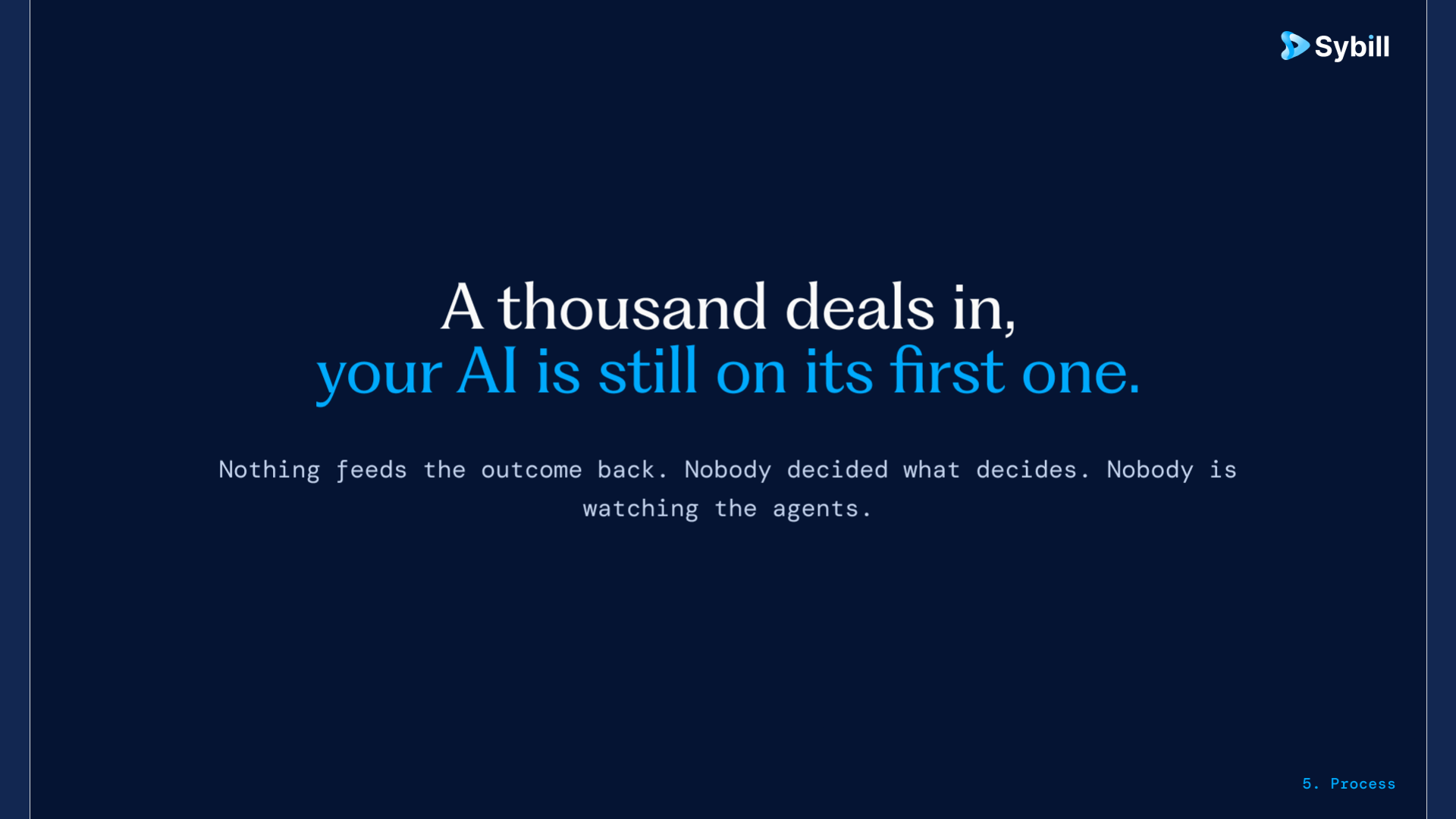
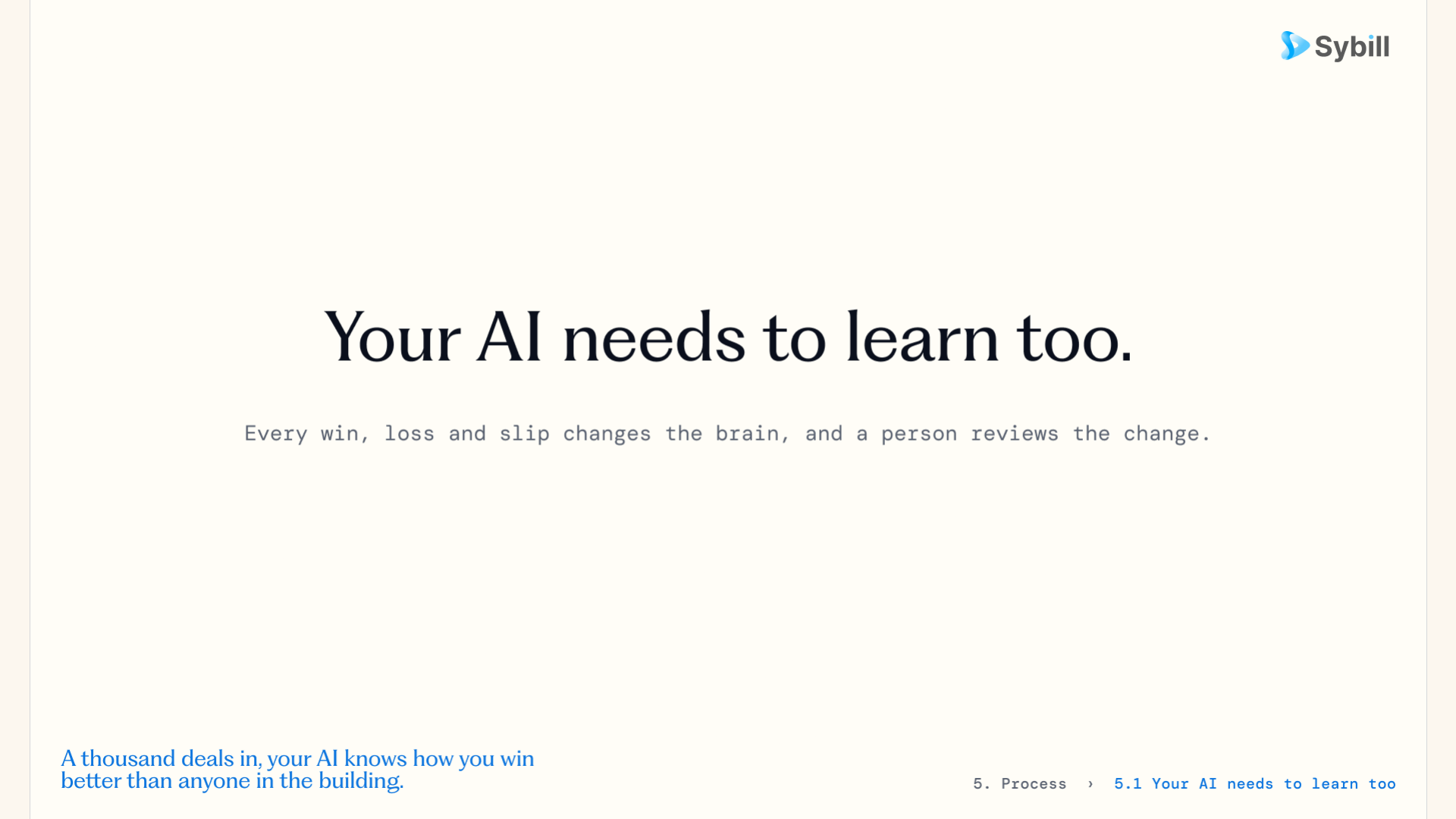
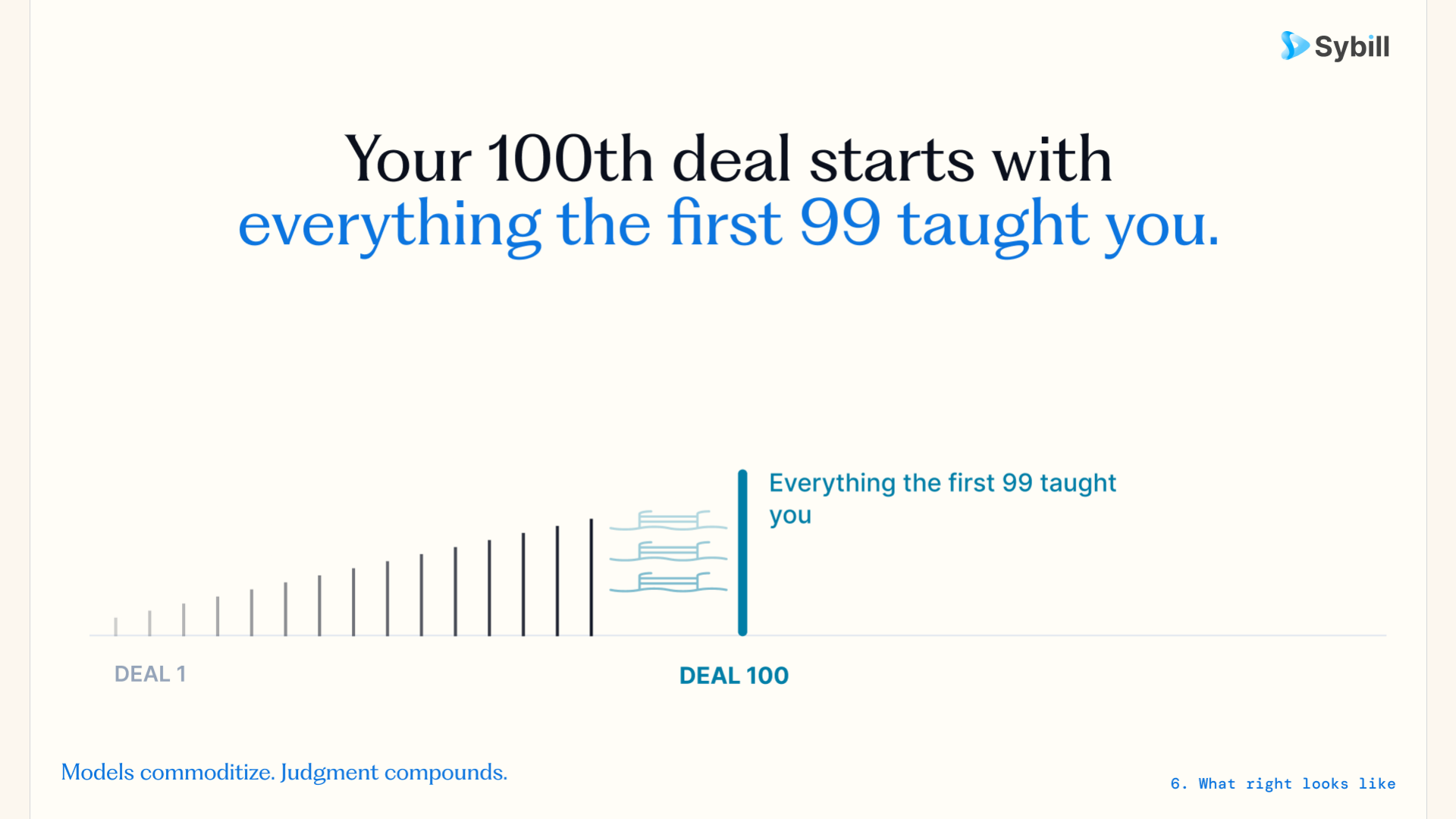
The teams that close the gap between AI adoption and revenue will change three things. They'll run on one brain the company owns, not one per rep. They'll turn every seller into a manager of agents, not a writer of prompts. And they'll feed every win, loss, and slipped deal back into the system, so the AI knows more on deal 100 than it did on deal 1.
Models are becoming a commodity. Judgment compounds. The advantage goes to whichever sales org teaches its AI the fastest.
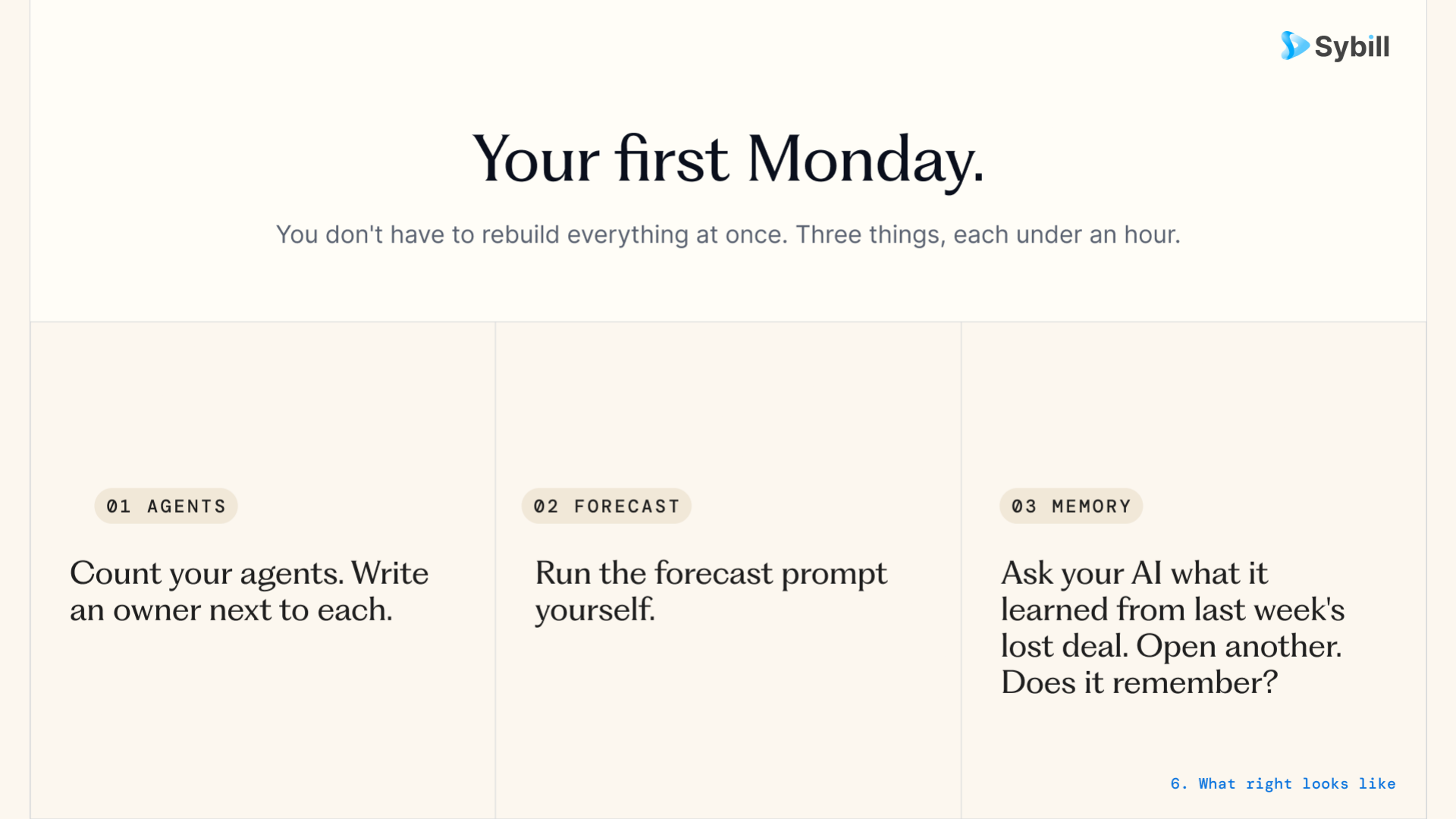
You don't need to rebuild everything this quarter. Start Monday with three tasks, each under an hour:
If the answer to that last one is "nothing," you've found where to start.
See how Sybill gives your whole revenue team one brain for every deal. Book a demo.