Find us at booth #83, join us for a harbor side happy hour, or catch Gorish’s talk.

Sept, 16-18 > Learn more


Richa Sharma

March 30, 2026
.avif)
Your sales conversations can go one of two ways. You can spend weeks building rapport, bonding over shared interests, and slowly earning their trust. Or you can walk into a meeting and shift their perspective with a powerful insight that they start seeing their business outcomes differently.
That’s the difference between relationship selling and insight selling.
Relationship selling focuses on building trust, rapport, and long-term partnerships by understanding a prospect’s needs, listening actively, and delivering personalized solutions — it follows the ABC framework (Acknowledge, Build, Cultivate). Insight selling goes further by challenging the buyer’s thinking, introducing new perspectives, and using data-driven expertise to reshape their decision-making. The key differences: relationship selling prioritizes personal connection and loyalty, while insight selling prioritizes delivering transformative ideas that buyers haven’t considered. The best sales professionals don’t choose between them — they use relationship selling to establish trust and insight selling to deliver strategic value, adapting their approach based on the buyer’s stage, complexity, and needs. Together, these methodologies create a powerful combination where trust makes buyers receptive to new insights, and insights deepen the value of the relationship.
Don Draper doesn’t win deals in Mad Men by playing it safe. He walks into a room, drops a perspective-shifting idea, and leaves the client speechless. Meanwhile, Peggy Olson carefully understands the clients’ needs, builds trust, and crafts a campaign that speaks directly to them. Both strategies work, but in different ways.
Which approach works best? When should you use one over the other? This guide breaks down what is relationship selling and the ABCs of relationship selling while exploring the power of insight-based selling. The best salespeople don’t choose between them—they master both.
Relationship selling is all about building trust, not just closing deals. Instead of focusing on pushing products, you understand your prospects' needs, challenges, and long-term goals. This approach transforms sales from a one-time transaction into a meaningful partnership.
Relationship sellers create loyal customers who return and refer others by prioritizing genuine interactions and personalized solutions. Authenticity is a critical differentiation. A strong relationship between a single sale and a lifelong client can be the difference.
In sales, the best deals aren’t just closed. Going back to the sales masterclass that is Mad Men, the best deals are crafted like a great advertising campaign. You don’t just throw an idea on a board and hope it works. But you research, refine, and pitch it with precision. It’s about understanding your prospects’ needs, shaping a personalized message, and delivering it at the right moment.
This also applies to relationship selling. It’s about building trust and creating value. It’s about positioning yourself as an indispensable partner, just like Don Draper sells a vision, not just a product.
At its core, relationship selling follows the ABC framework:
Mastering these ABCs ensures you build relationships that lead to repeatable revenue growth, referrals, and long-term success.
Your prospects have multiple products to choose from, but they also need a partner who understands their business needs. According to Gartner, 77% of B2B buyers feel that purchasing is overwhelming and complex. A salesperson who simply pushes a product adds to that confusion. A salesperson who guides the buyer toward the best decision builds trust, leading to sales.
Relationship selling isn’t about “selling” in the traditional sense. It’s about building rapport, listening, and adding real value. The goal is to make a sale and establish oneself as the go-to person for future purchases and referrals.
.png)
There was a time when sales was all about the hard selling, like selling a pen to penguins. Slick pitches, high-pressure tactics, and the belief that the most persuasive closer always wins are outdated.
Think of Mad Men’s Don Draper in a high-stakes client meeting, effortlessly delivering a mesmerizing pitch that leaves the room in awe. Traditional selling was about crafting the perfect monologue, dazzling the client, and sealing the deal on the spot.
But relationship selling? That’s more like Peggy Olson’s approach. Deep research, understanding the client’s needs, and building campaigns (or deals) that resonate personally. It’s about trust, long-term partnerships, and becoming a strategic advisor rather than just a salesperson.
According to Forrester Research, 74% of B2B buyers do more than half of their research online before engaging with a salesperson. That means by the time they speak with you, they don’t need a product pitch. They need a problem-solver. This shift in buyer behavior probably led to the rise of relationship and insight selling.

In traditional selling, salespeople focused on features and benefits, convincing prospects that their product was superior. Relationship selling, on the other hand, isn’t about pushing products. It's about knowing your prospect like Don Draper knows a whiskey glass. You don’t just sell them a drink; you pour exactly what they crave before they even ask.
Insight selling, or insight-based selling, goes beyond meeting a client’s needs. It challenges their thinking. Insight sellers use industry expertise, data, and strategic foresight to introduce new perspectives that prospects may not have considered.
This approach shifts the salesperson’s role from a vendor to a trusted advisor and industry expert. By anticipating challenges and offering forward-thinking solutions, insight sellers help prospects see opportunities instead of just pushing a product.
Your prospects can access endless information; providing unique insights is the key to standing out and adding value.
Both insight selling and relationship selling aim to build strong client connections, but they take distinctly different paths to achieve this.
Think of it this way: Relationship selling is like having a supportive friend who listens, understands, and is always there for you. Insight selling, on the other hand, is like having a mentor. They challenge your thinking, push you beyond your comfort zone, and help you see opportunities you never considered.
Here’s how they differ:
So, which approach is better? The truth is, the best salespeople use both. The key is knowing when to nurture trust and challenge a client’s thinking to create a real impact.
While relationship selling helps build trust, insight selling takes it further. You need to go a step beyond just listening. Selling right is about challenging prospects' perspectives and providing expert insights that reshape their decision-making.
While distinct, these methodologies aren't mutually exclusive. Combining them can lead to exceptional outcomes:
Hence, today’s best salespeople master both. They build relationships, gain trust, and utilize insights to guide prospects toward more informed, strategic decisions.
The bottom line? Traditional selling is dying. Buyers don’t want aggressive product pushers. They seek trusted advisors who understand their needs and deliver genuine value.
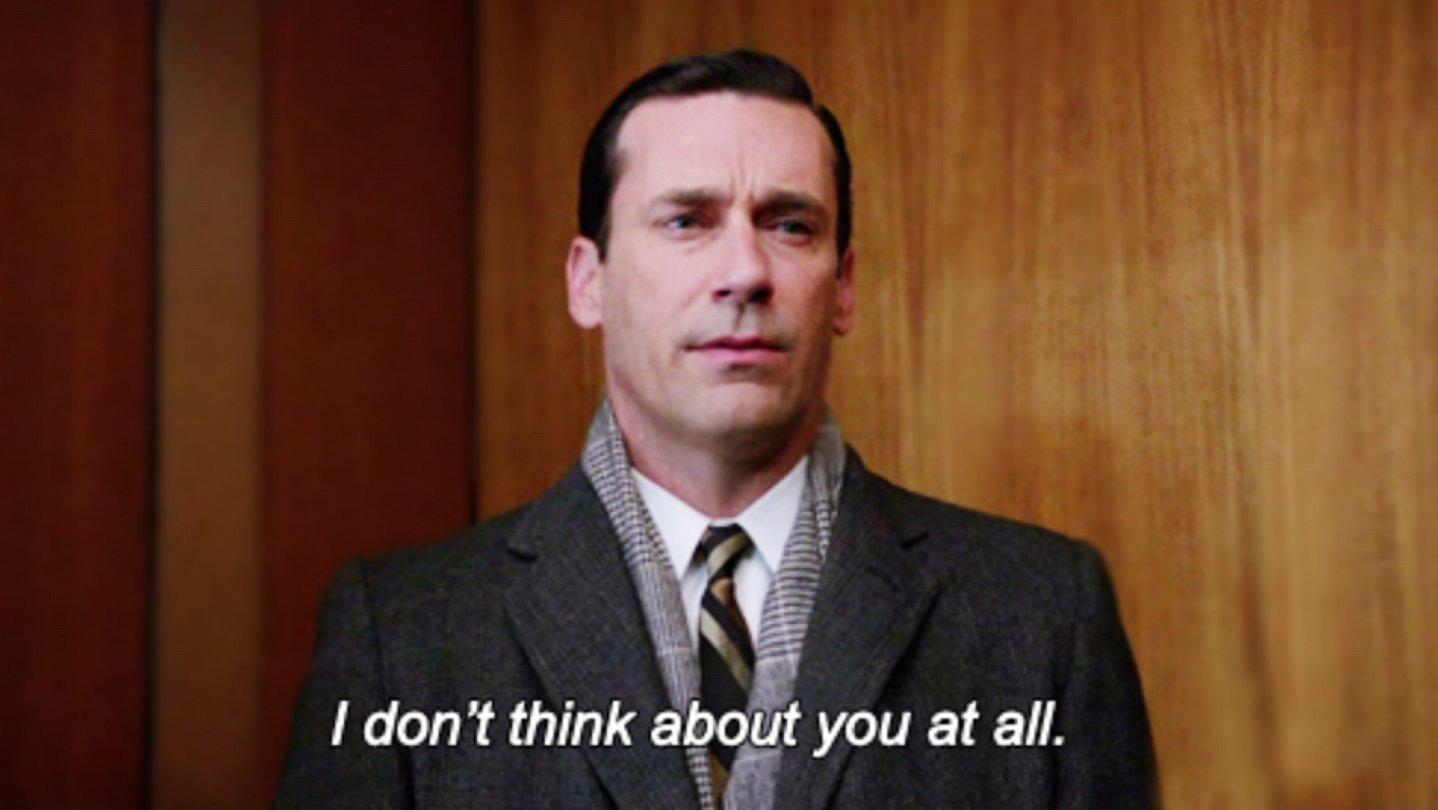
Consider it like the iconic Mad Men scene where Don Draper coolly tells a desperate competitor, “I don’t think about you at all.”
They’re not waiting to be convinced by an egoistic pitch. They’re looking for insights, trust, and long-term partnerships. The future belongs to those who can build genuine relationships, not just close quick deals.
By integrating both approaches, sales professionals can offer a holistic experience that addresses prospects' emotional and strategic needs.
For example, consider a software company that noticed many prospects struggling with data management. Instead of waiting for complaints, their sales team proactively researched and developed a new data integration tool. They approached prospects with insights on how this tool could streamline operations, increase sales, and strengthen relationships.
Switching from traditional selling to relationship selling or insight selling involves transforming mindsets. Many sales teams struggle because this shift requires them to rethink everything they’ve learned about selling.
Many salespeople have been conditioned to pitch first and ask questions later. Shifting from a product-first to a customer-first mindset requires a complete overhaul in how conversations are approached. Instead of focusing on what they want to sell, you must understand what the buyer truly needs. Sometimes, this might even be so that the buyer doesn’t fully realize it.
Sales teams must go beyond traditional sales training and develop skills in:
This requires continuous learning and a shift from selling products to selling solutions.
Relationship selling and insight selling demand more than one great pitch. They require an ongoing commitment to nurturing client relationships. This requires time, patience, and a willingness to delay immediate wins for the sake of long-term success. Sales cycles may be longer, but the payoff, higher-value deals, repeat business, and referrals are well worth it.
Sales is no longer about persuasion but about partnership. As buyers become more informed, they expect salespeople to guide them rather than push products. The way forward is clear:
Think of the old-school sales rep as Don Draper, crafting a dazzling pitch that sells a dream. In contrast, a great modern salesperson is like Peggy Olson: strategic, adaptable, and deeply attuned to prospects' needs. They don’t just sell an illusion; they build relationships, refine the message, and make sure the product truly delivers.
The best salespeople don’t just close deals. They help buyers make better decisions. Those who master relationship and insight selling will survive and thrive in this new era of customer-centric sales. The question is: Are you ready to adapt, or will you be left behind?