Find us at booth #83, join us for a harbor side happy hour, or catch Gorish’s talk.

Sept, 16-18 > Learn more

%20(1).avif)
Mamta Tainwala

March 31, 2026
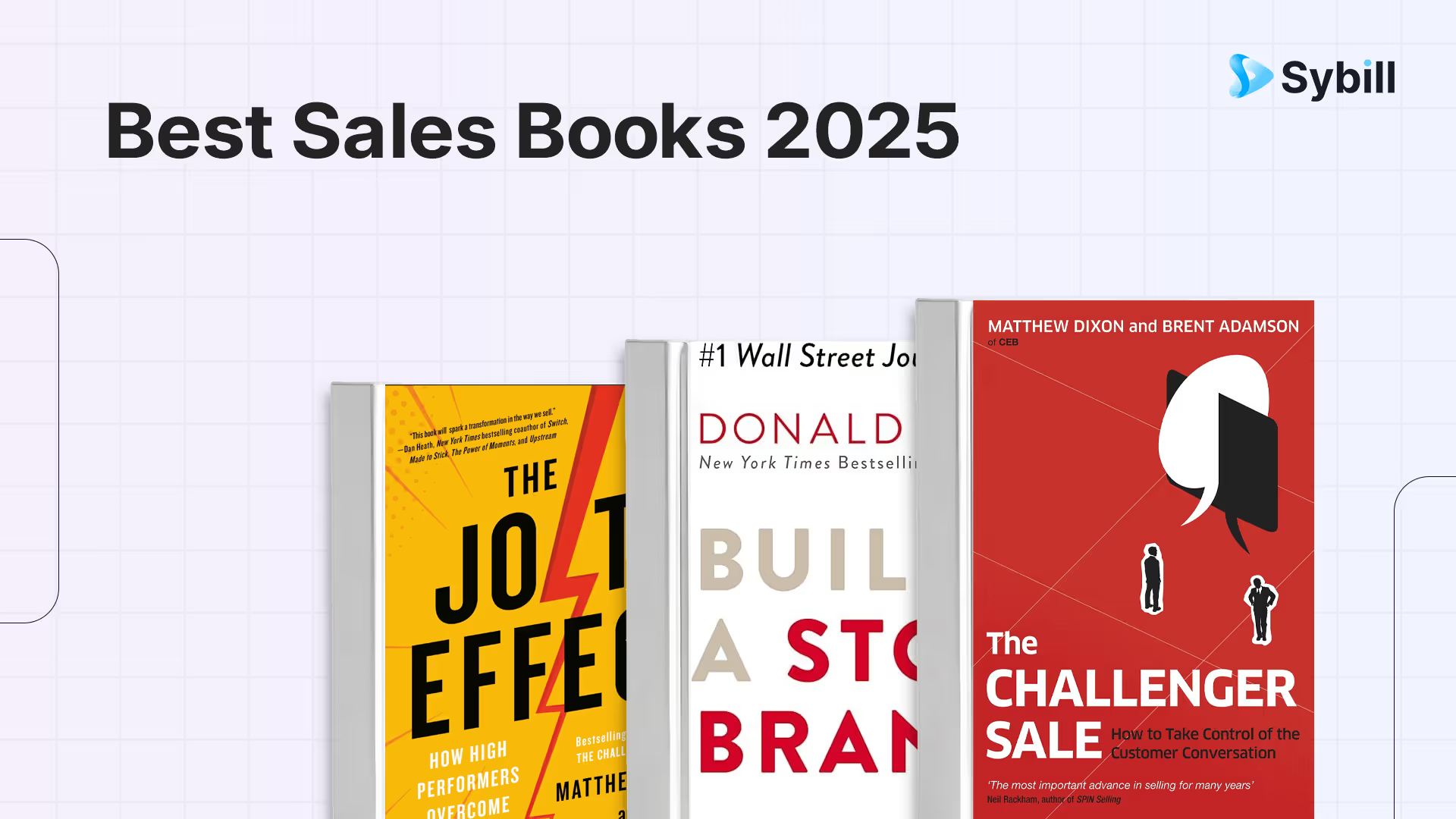
If your sales education came from memes, Boiler Room quotes, and a manager who said “smile and dial,” you are not alone. Most of us learned to sell the way kids learn to swim: someone tossed us in the deep end and yelled “kick.” Here is the cleaner path. Think of this list like a playlist that turns down the noise and dials up the songs that never leave your head. These are the best sales books to read when you want practical moves, not motivational posters.
Below you will find the top sales books to read by the skill they sharpen, with a few lines on the authors so you know whose brain you are borrowing. If you are wondering which book to read first to learn sales, start with SPIN Selling, then pick the skill you need most right now. Pair your reading with one small experiment per week and you will be surprised how fast the compounding starts.
The best sales books to read in 2025 are SPIN Selling by Neil Rackham for research-backed discovery structure, Fanatical Prospecting by Jeb Blount for pipeline discipline, The Qualified Sales Leader by John McMahon for enterprise deal qualification with MEDDICC, Never Split the Difference by Chris Voss for tactical negotiation, The Challenger Sale by Adamson and Dixon for insight-led selling, Influence by Robert Cialdini for persuasion psychology, The JOLT Effect by Dixon and McKenna for overcoming buyer indecision, Made to Stick by Chip and Dan Heath for memorable messaging, and Atomic Habits by James Clear for building consistent sales behaviors. Start with SPIN Selling for the most reliable foundation in discovery, then pick the book that addresses your biggest current skill gap or constraint.
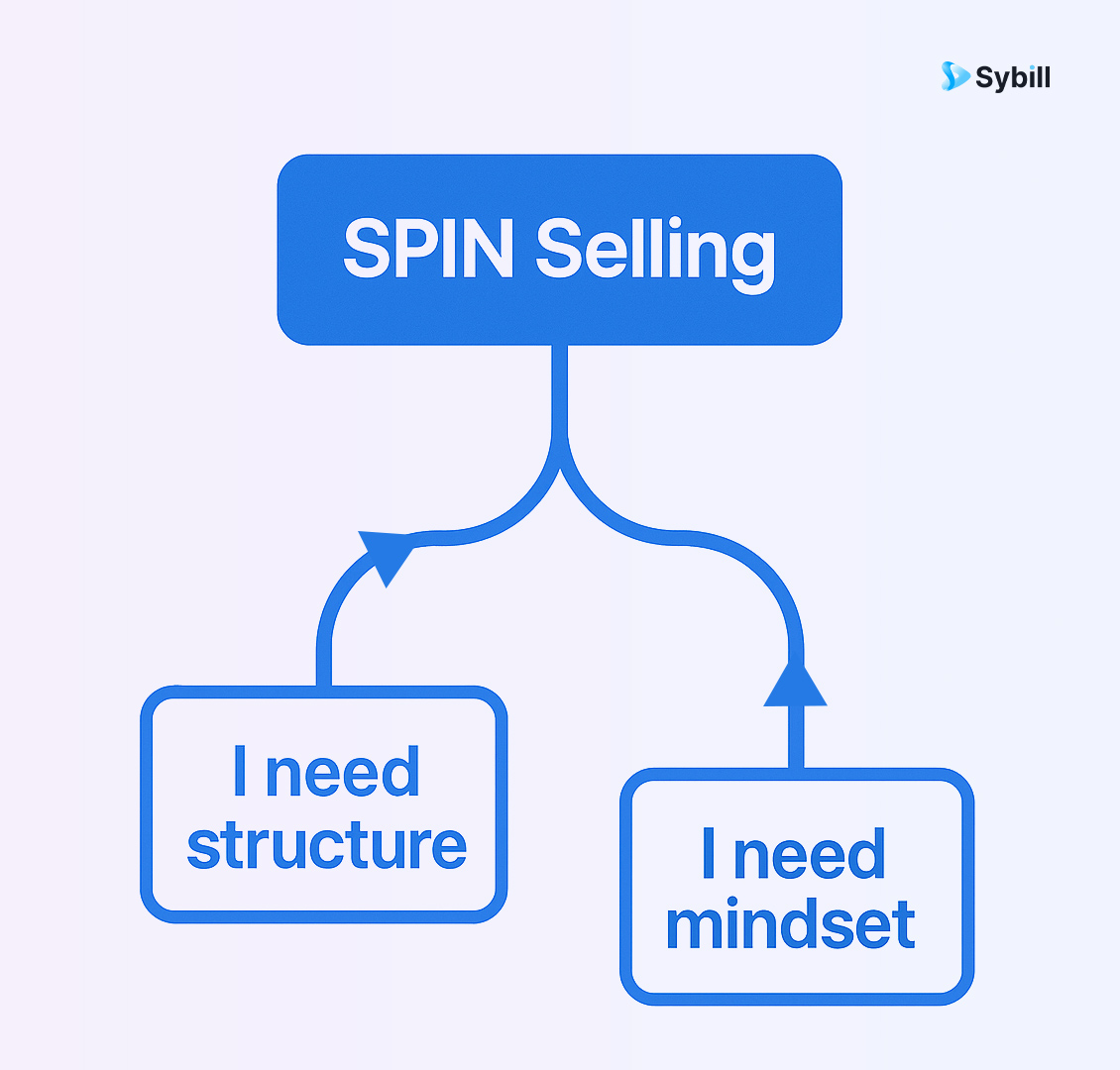
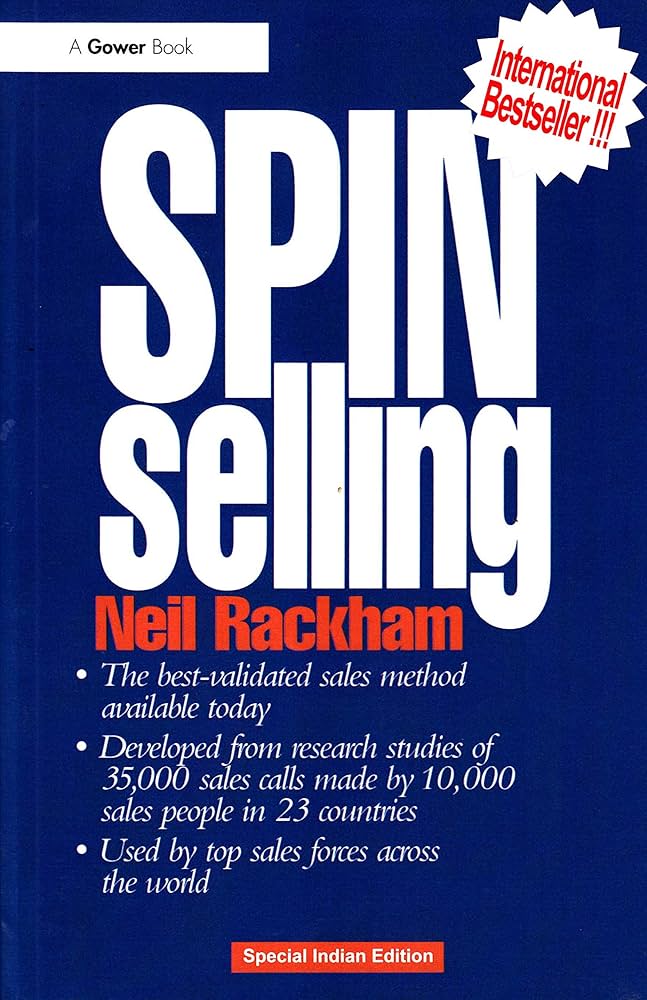
Rackham led a decade-long research project with more than 35,000 sales calls observed in the wild. He did the unglamorous work so you don’t have to, then translated it into four question types: Situation, Problem, Implication, Need-Payoff. The writing is clean, the examples are painfully familiar, and the method scales from scrappy SMB to complex enterprise.
Why it still wins: It makes discovery repeatable and coachable.
Try this today: Ask two Implication questions before you offer any solution.
Good fit for: New sellers, founders on their first calls, teams fixing sloppy discovery.
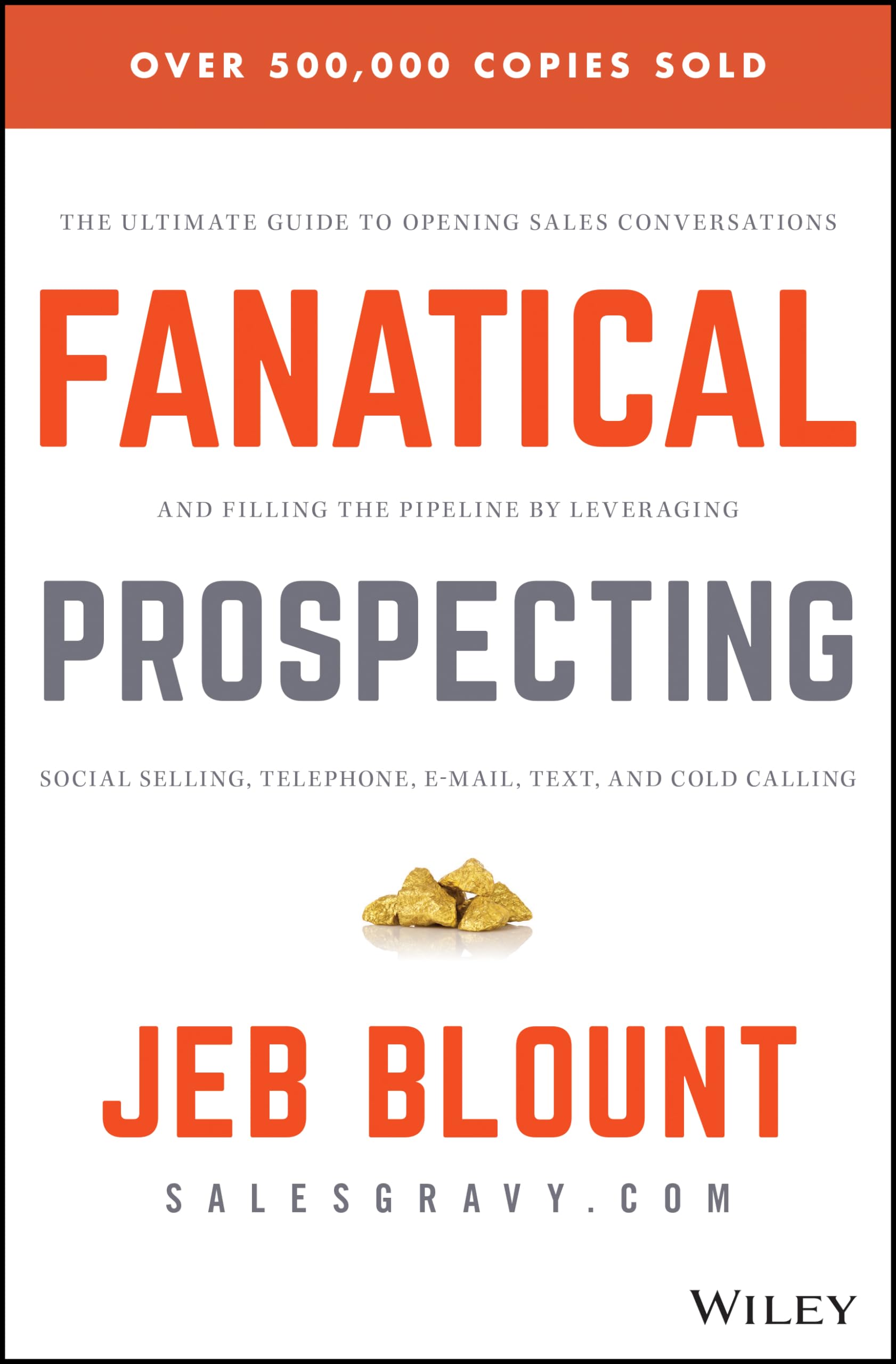
Blount built a career training teams who live and die by the pipeline. He writes like a coach who has stood over a hundred shoulders listening to real calls. Scripts, time blocks, social touches, refusal recovery. It is practical from page one.
Core idea: Prospecting is a cadence problem and a courage problem. Solve both.
Try this: 30 minutes of single-persona power dialing. One hypothesis. One ask.
When to read: Your calendar looks full but your pipeline does not.
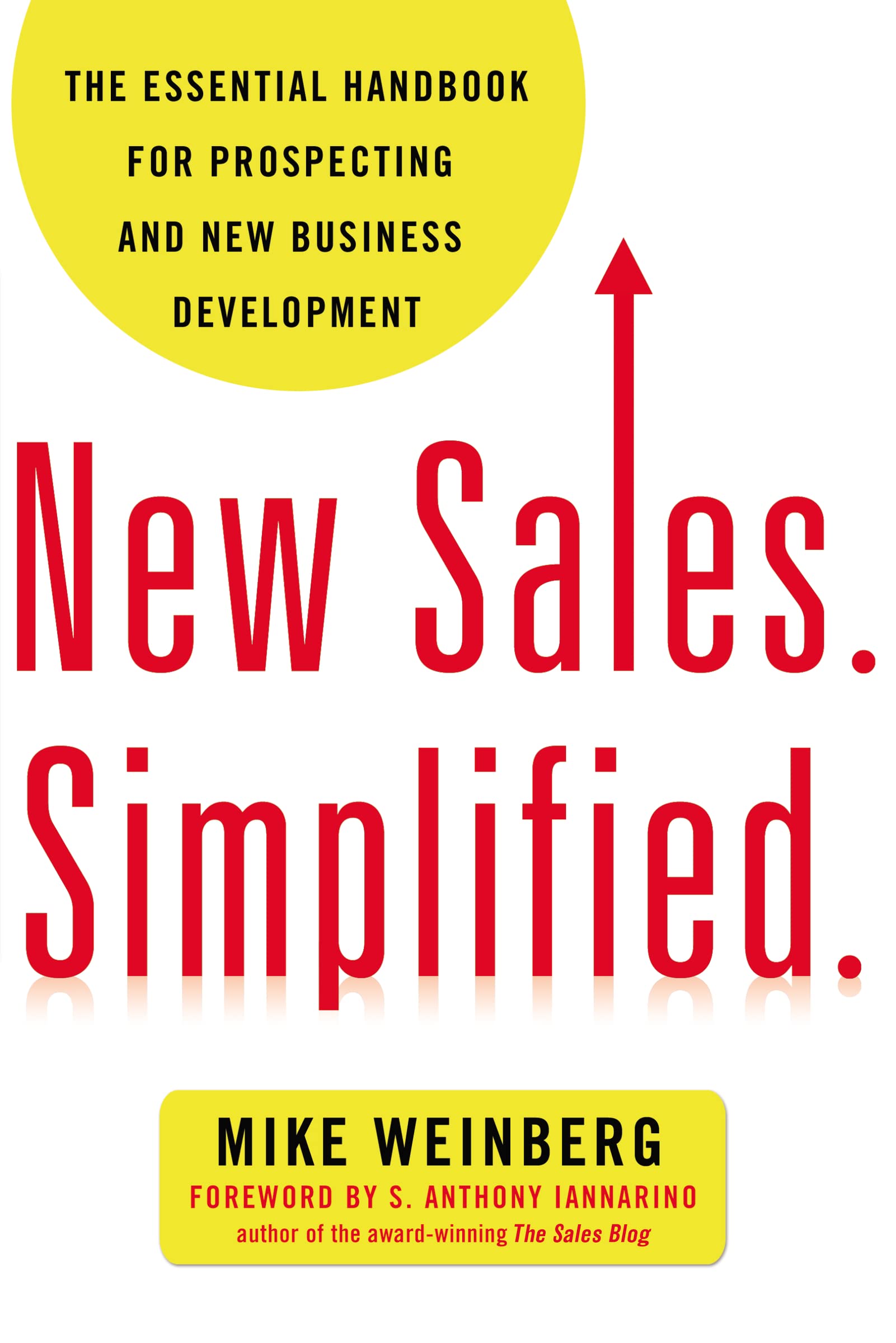
Weinberg has the ex-operator credibility most books lack. He focuses on message-market fit and the simple narrative your next meeting needs.
Core idea: A strong sales story beats clever tactics.
Try this: Rewrite your opener to start with the customer’s problem and the cost of ignoring it.
When to read: You have plenty of activity but little movement.
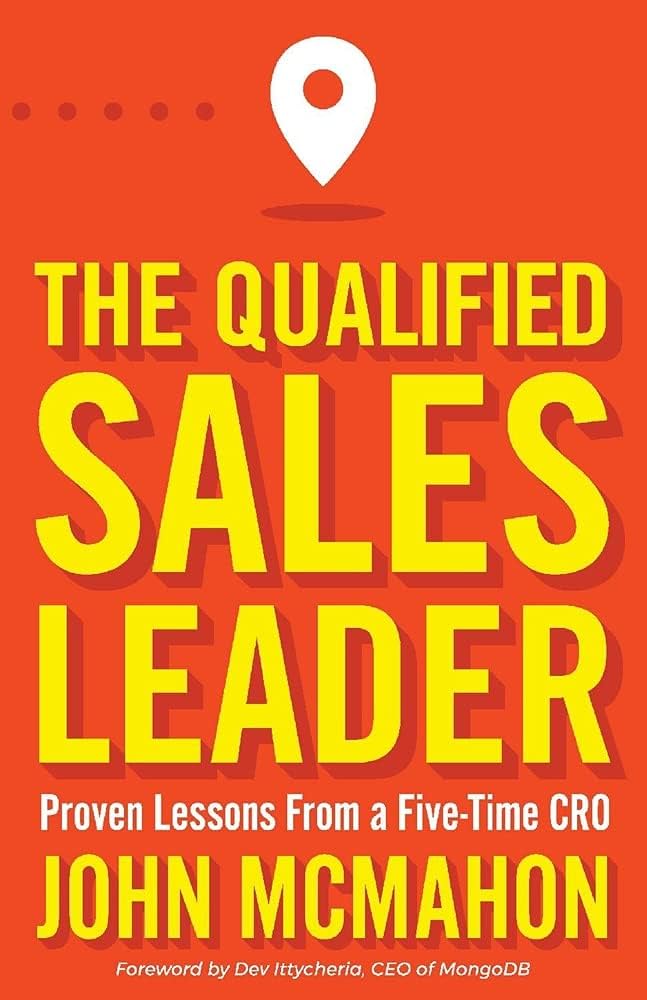
McMahon helped scale five public enterprise software companies. He writes for sellers who manage multiple stakeholders, real decision criteria, and real risk. MEDDICC gets a humane translation here.
Core idea: Big deals require verifiable evidence, not wishful forecasting.
Try this: Ask the champion to write the success criteria in one internal email.
When to read: You are losing to “no decision” more than competitors.
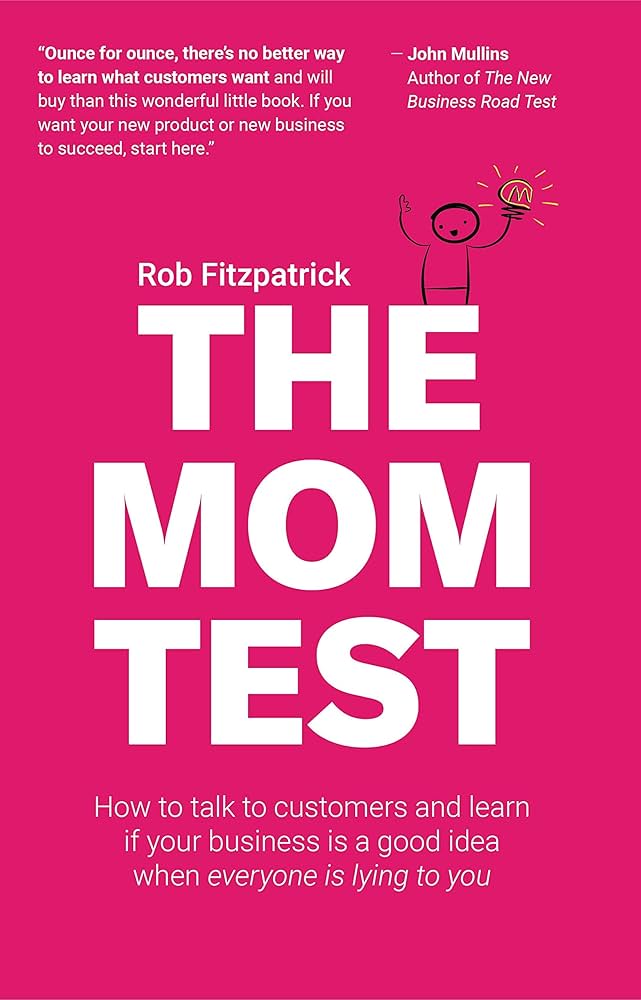
A founder-turned-teacher who learned the hard way that people are polite and polite people lie. This is not a sales book on the cover, but it is a masterclass in questions that reveal truth.
Core idea: Ask about behavior, not opinions. Past tense beats future promises.
Try this: Replace “Would you use X” with “How did you solve X last time?”
When to read: Your discovery calls end with compliments, not commitments.
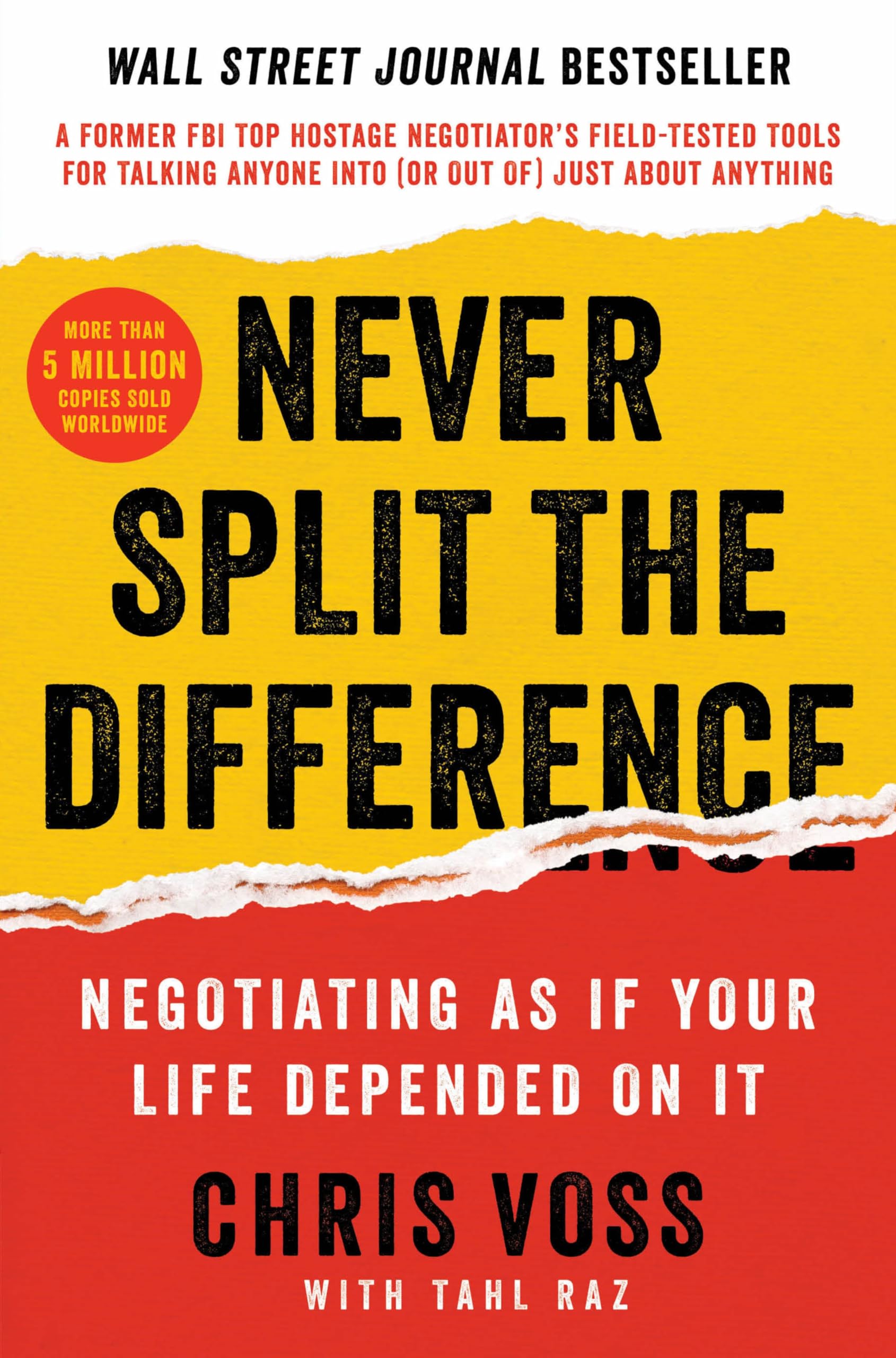
Voss ran international hostage negotiations before he started teaching business leaders. His toolkit of labels, mirrors, and calibrated questions turns tense pricing talks into collaborative problem solving.
Core idea: Tactical empathy unlocks information and options.
Try this: “What about this proposal is giving you pause?” then label the emotion you hear.
When to read: Discounts are your first reflex.
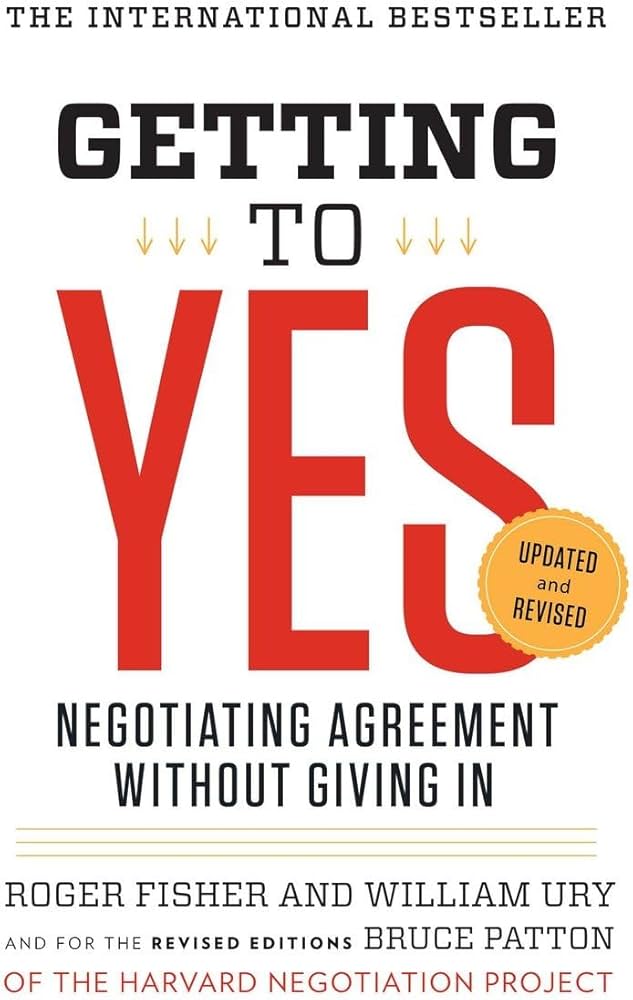
Written by the Harvard Negotiation Project team, this is the original playbook for principled negotiation. It shows how to separate people from the problem and trade on interests instead of positions.
Core idea: Invent options together, then agree on objective criteria.
Try this: Ask both sides to list success criteria before discussing numbers.
When to read: Multi-party deals where relationships matter.
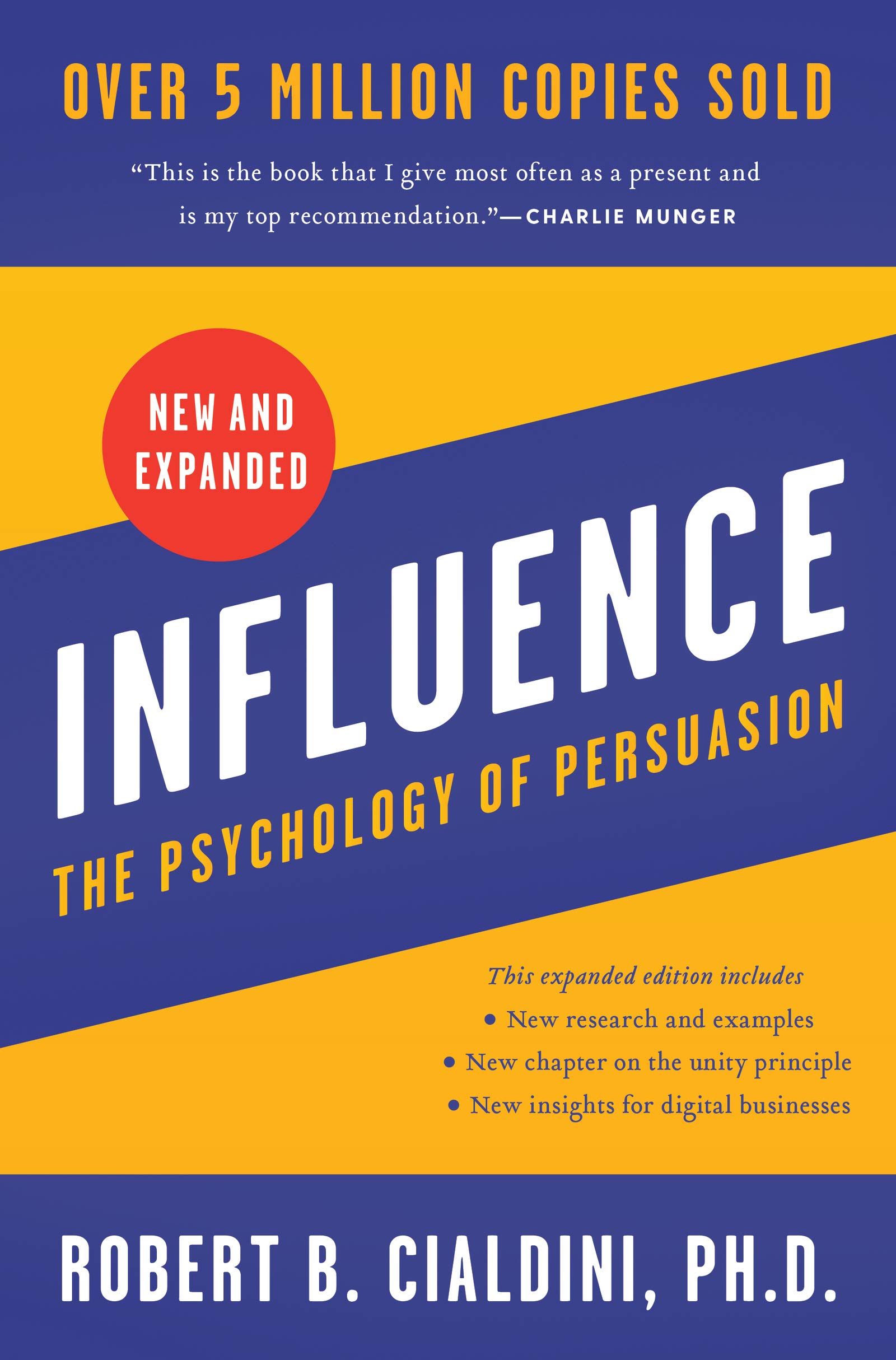
Cialdini is a social psychologist who spent years studying how real people make decisions. The six principles are now table stakes for marketing and sales.
Core idea: Specific, earned social proof beats vague claims every time.
Try this: Replace “thousands of users” with one named peer and a measurable outcome.
When to read: Your messages feel true but not persuasive.
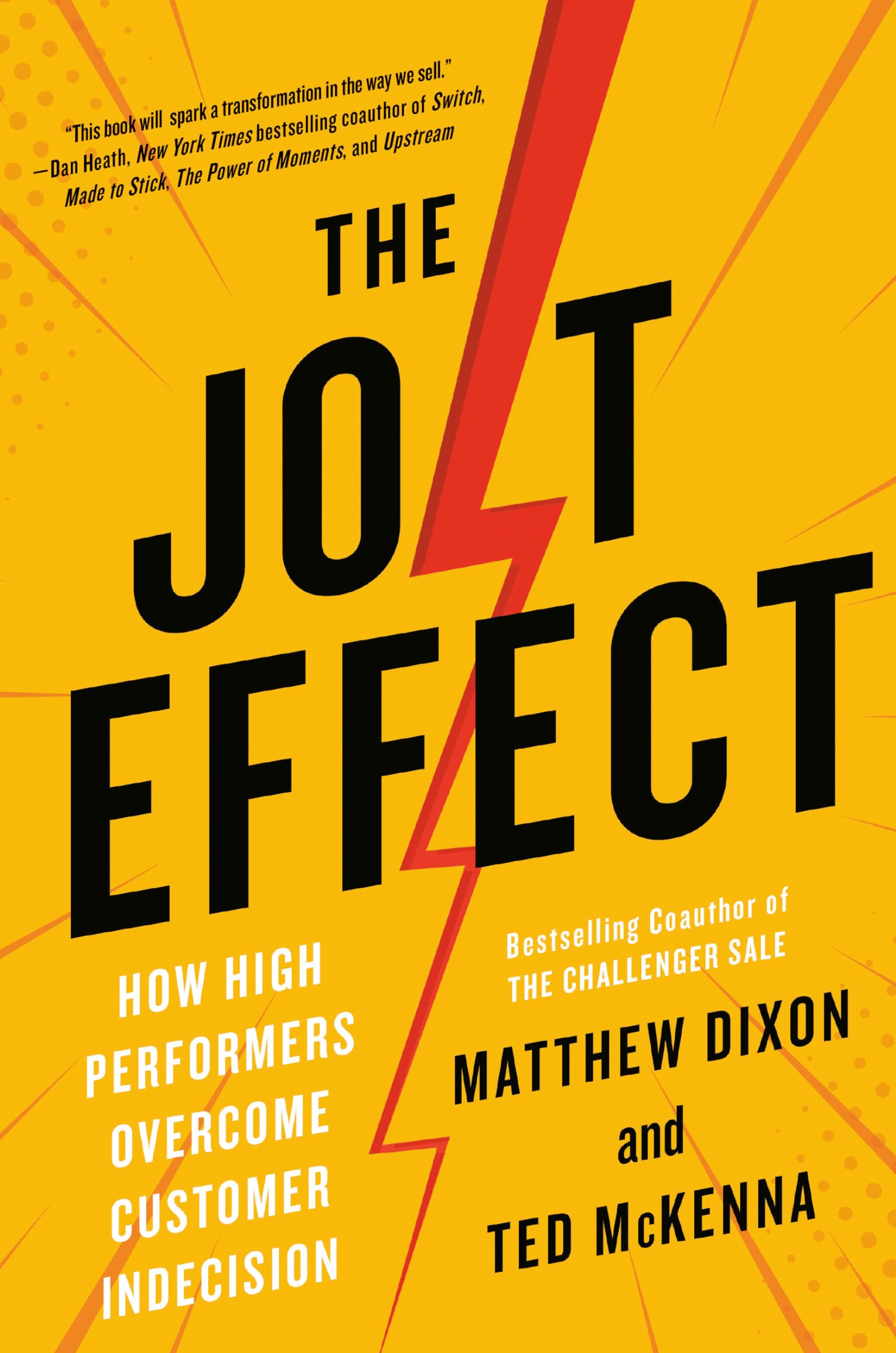
From the co-author of The Challenger Sale, this is fresh research based on millions of sales conversations. It argues that indecision, not status quo, kills more deals.
Core idea: JOLT stands for Judge the indecision, Offer a recommendation, Limit the exploration, Take risk off the table.
Try this: Offer a good-enough recommendation instead of three perfect options.
When to read: Deals stall in late stages with polite silence.
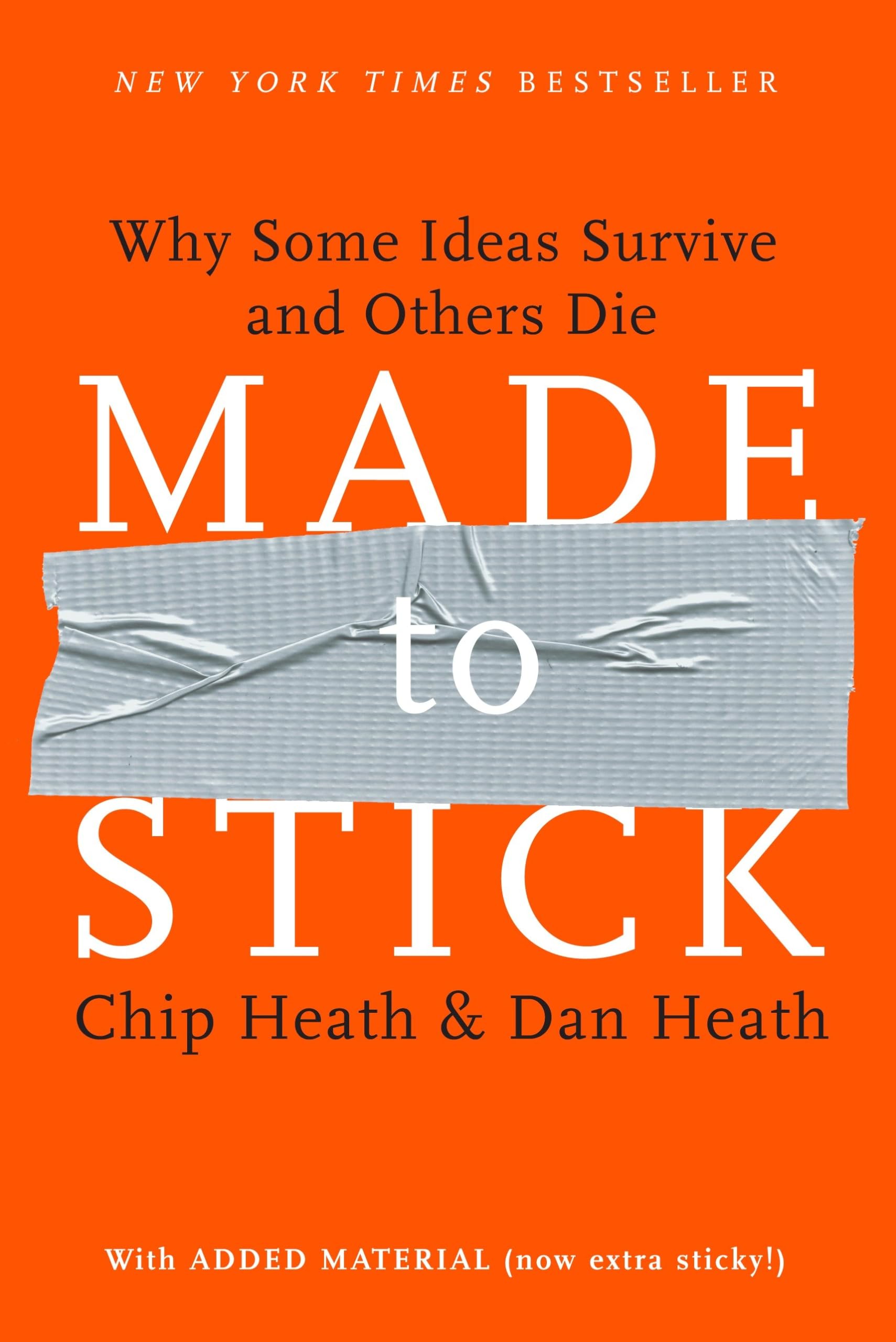
Two researchers who translate cognitive science into memorable communication. SUCCESs gives you a checklist for sticky ideas.
Core idea: Simple, Unexpected, Concrete, Credible, Emotional, Stories.
Try this: One vivid example per claim. Keep numbers human scale.
When to read: Buyers nod during your deck then forget everything by lunch.

Riefstahl trained presales teams for decades. He shows how to run demos that map to jobs-to-be-done rather than feature tours.
Core idea: Orient, prove, and pause. Keep the thread visible.
Try this: Start with a 60-second “you are here” map before clicking anything.
When to read: Trials are converting, but live demos fall flat.
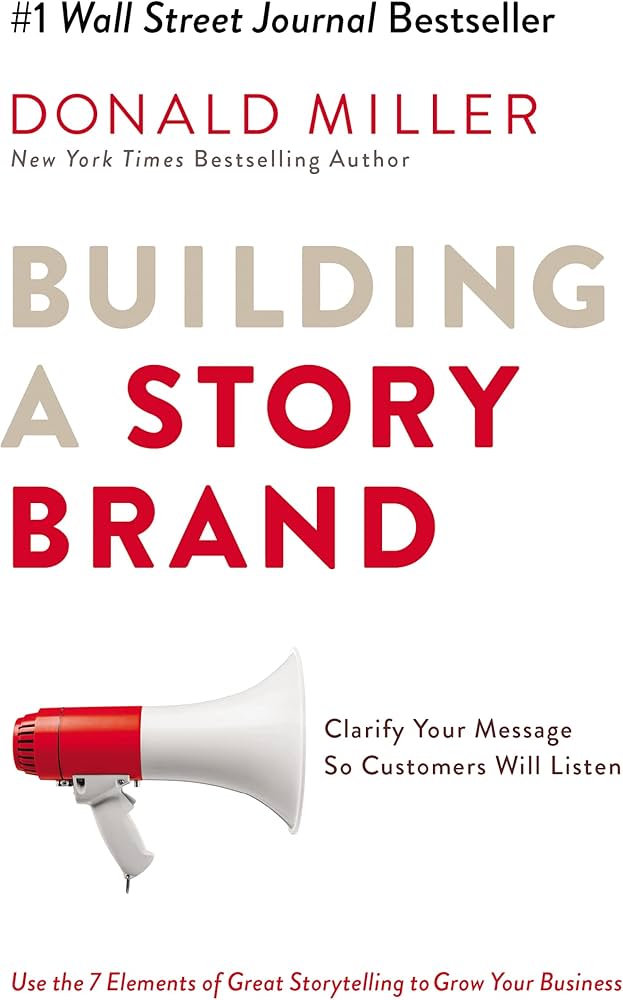
A marketer who turned customer confusion into narrative clarity. Making the buyer the hero sounds obvious until you see how many decks cast the product as the star.
Core idea: Character, problem, guide, plan, call to action, success, failure.
Try this: Rewrite your homepage header so it states the buyer’s goal in plain language.
When to read: Sales and marketing sound like two different companies.
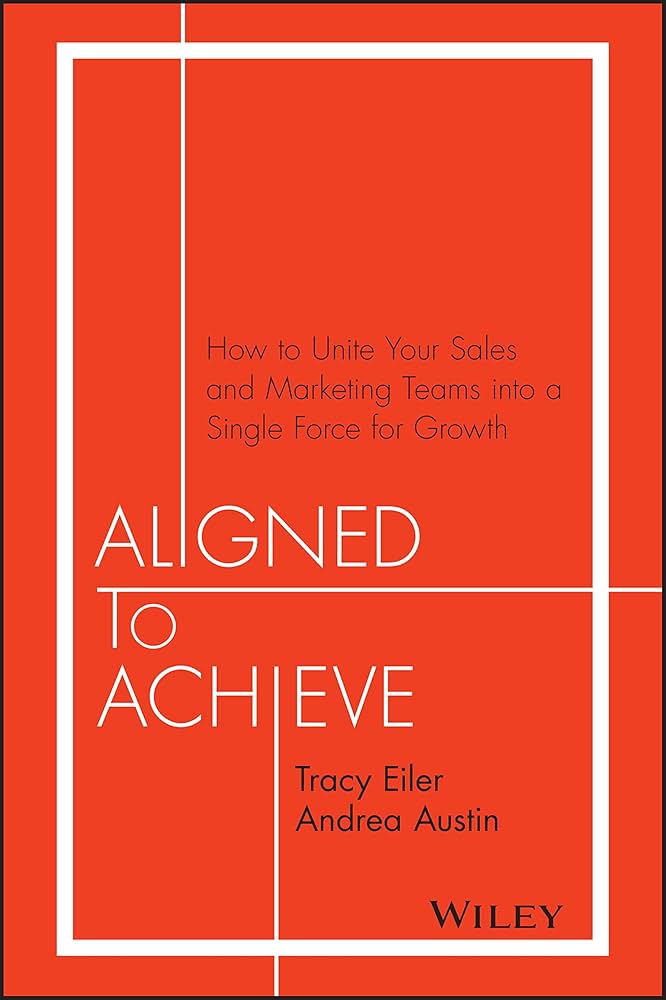
Written by a CMO and a sales leader who chose peace with performance. It is pragmatic about shared metrics and clean handoffs.
Core idea: One ICP, one MQL definition, one SLA for follow up.
Try this: Run a weekly pipeline clinic with both teams and the same dashboard.
When to read: Leads are up, revenue is not.
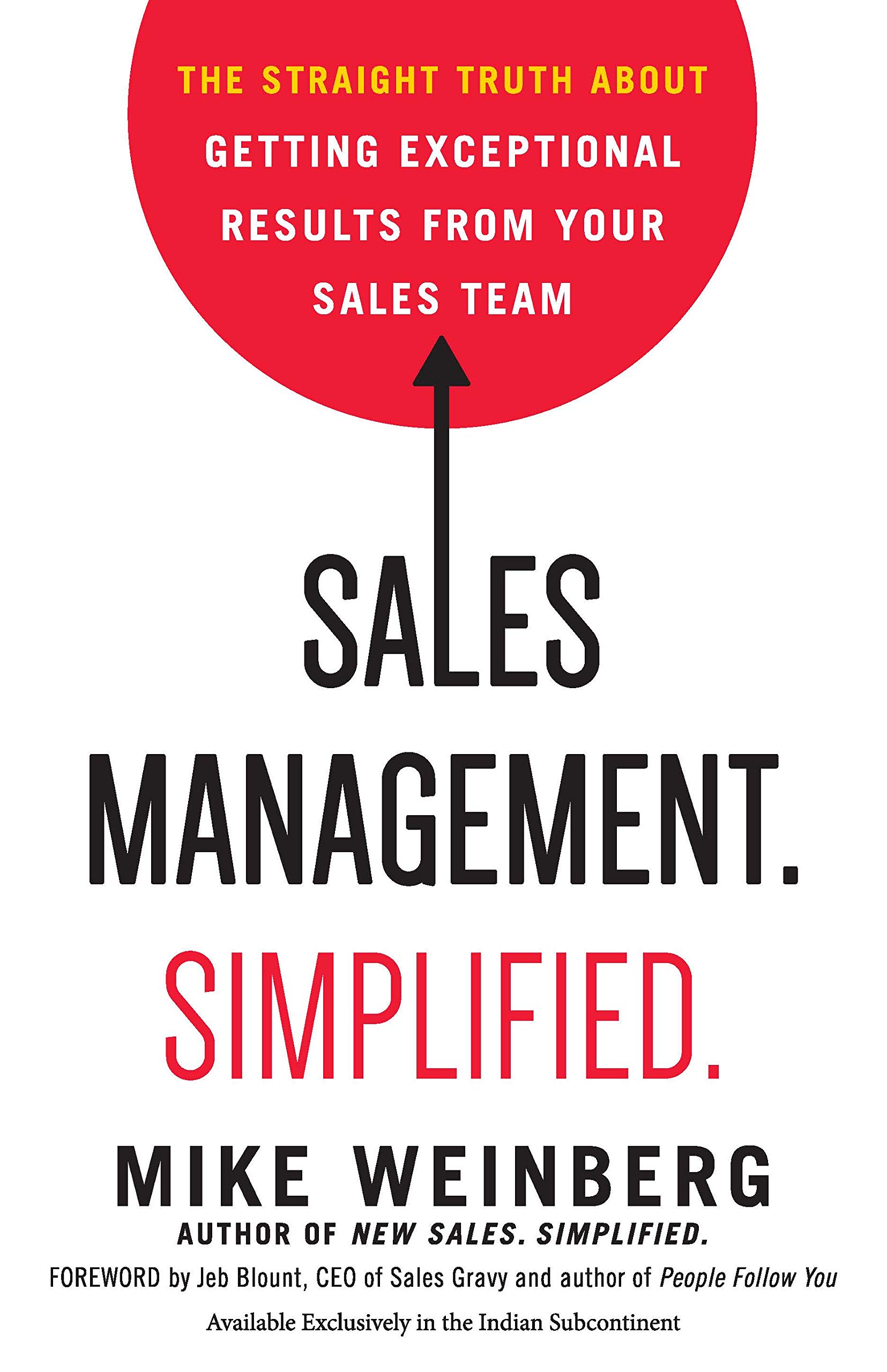
Weinberg returns with a manager’s lens. The cadence is clear, the pipeline truth-telling is refreshing, and the coaching questions are usable.
Core idea: Inspect behavior, not just results. Coach the call, not the dashboard.
Try this: One weekly session that reviews three recorded calls and two risky deals.
When to read: You were promoted for selling and now you manage people.
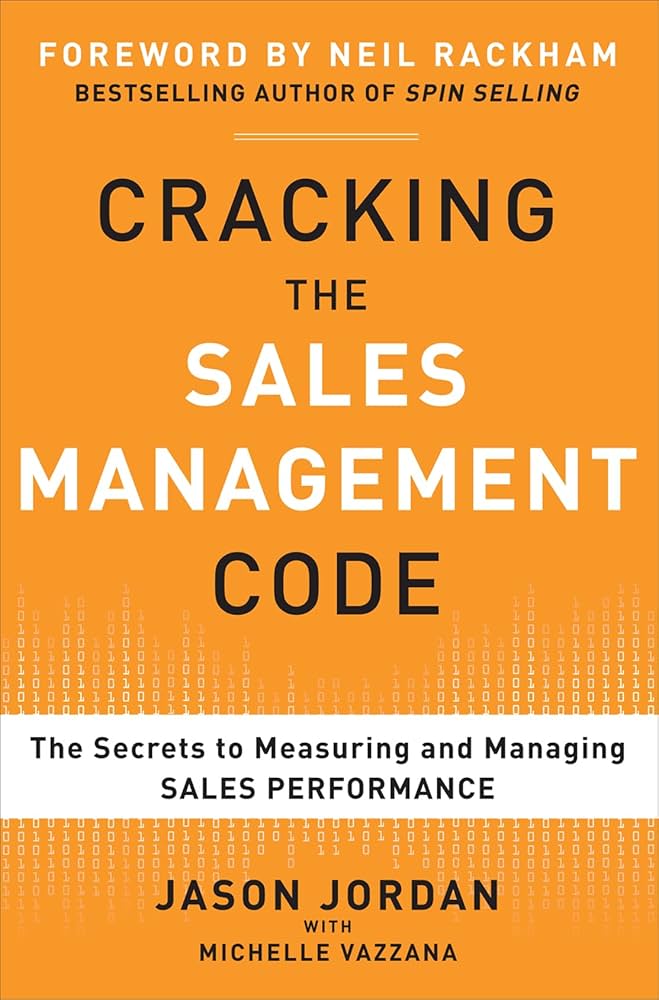
Jordan and Vazzana cut through vanity metrics. They map activities to outcomes so teams measure what they can control.
Core idea: Process controls performance. Inspect the inputs that move numbers.
Try this: Choose three leading indicators for the quarter and retire the rest.
When to read: Forecasts feel like astrology.
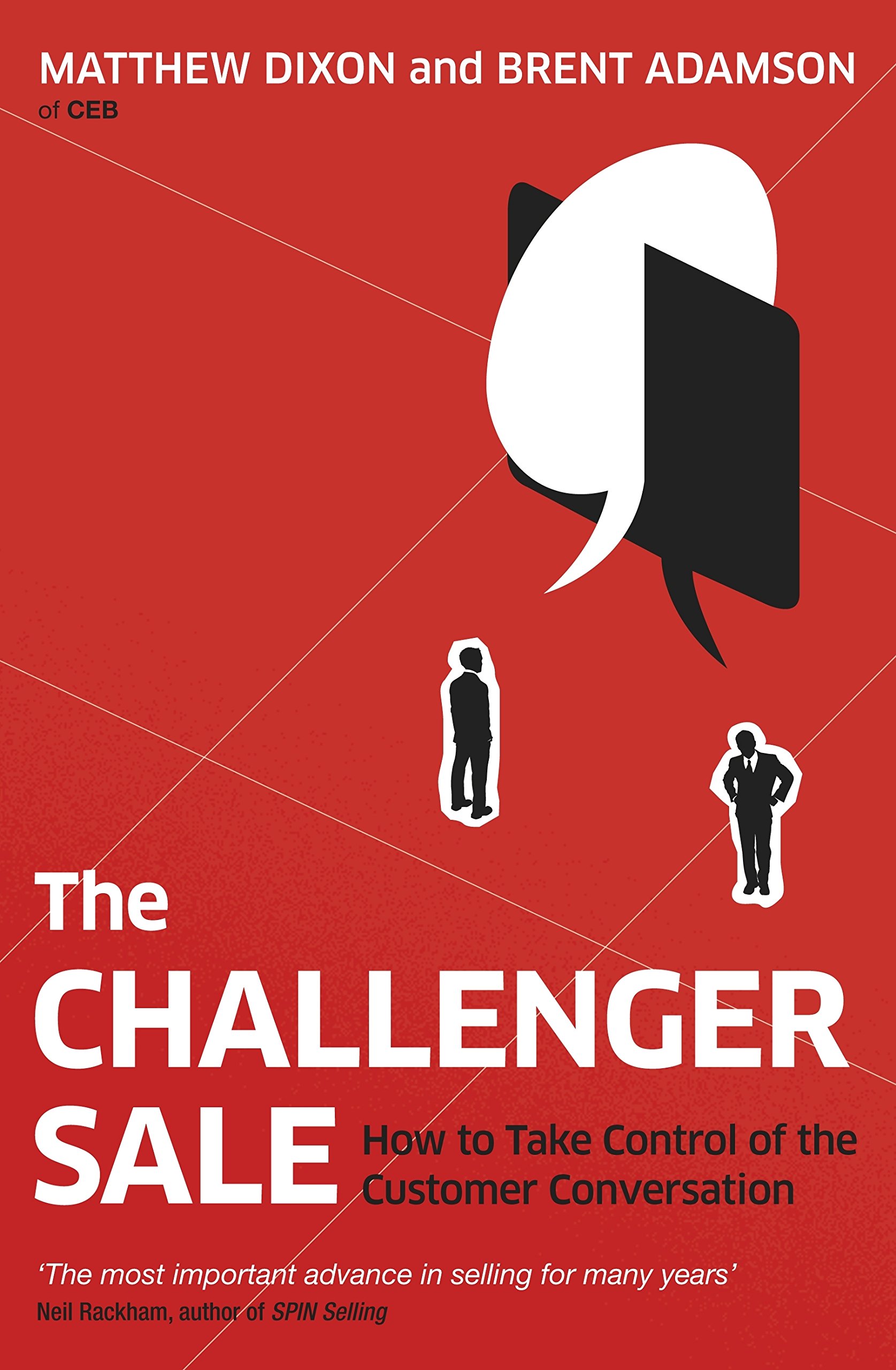
Born from research at CEB, it profiles reps who teach a new perspective, tailor the message, and take control. It remains one of the best books to read for sales and marketing teams that sell change, not just tools.
Core idea: Lead with insight that reframes the problem.
Try this: Open your next call with a surprising industry pattern your buyer has not seen.
When to read: You sell transformation and status quo bias is your true rival.
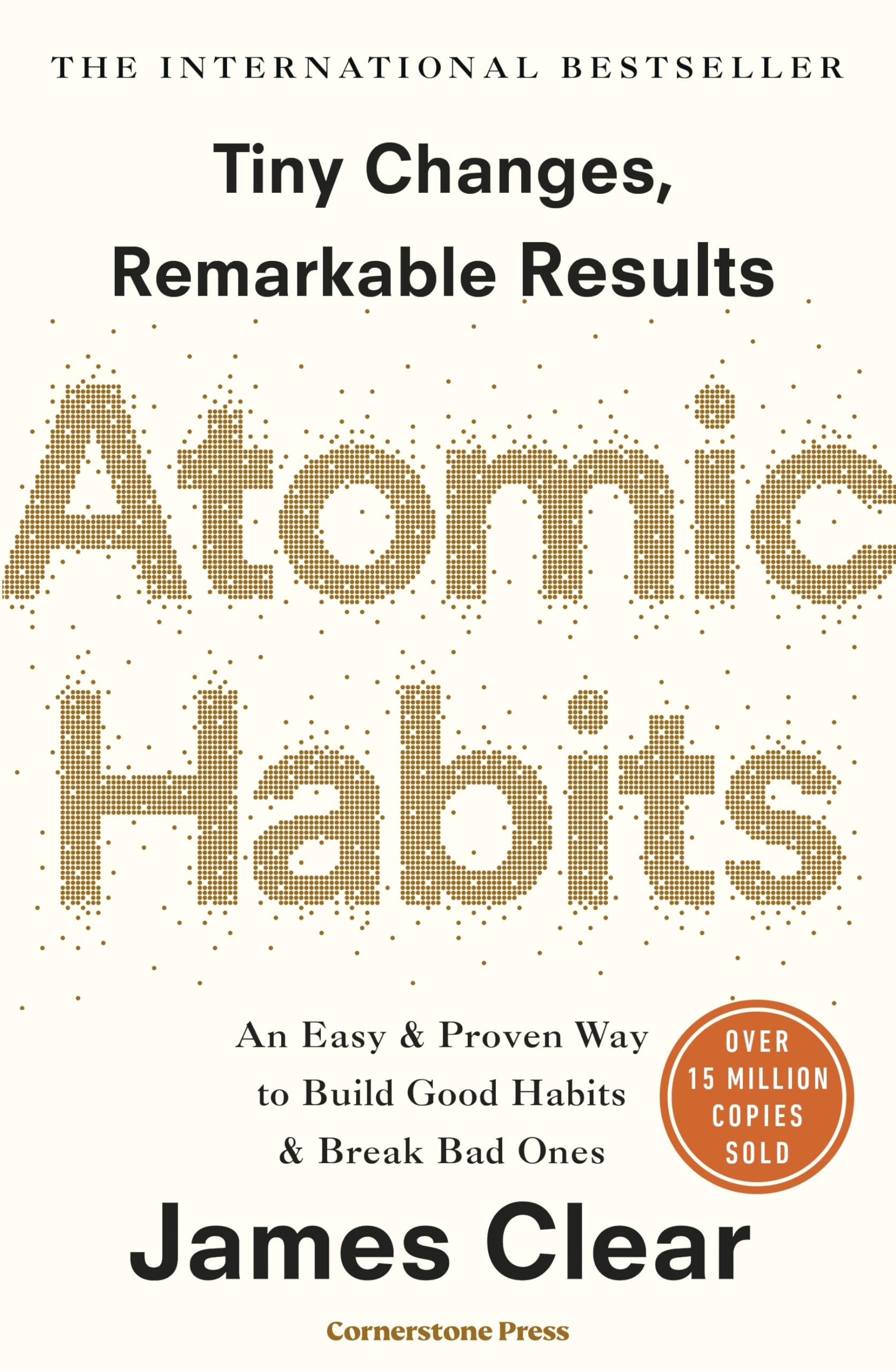
Clear writes like an engineer who loves psychology. He shows how to make good behaviors immediate and obvious. It is not a sales book, but it is a sales career book.
Core idea: Systems beat willpower. Small wins compound.
Try this: Habit stack a 15-minute call review after lunch each day.
When to read: You know what to do and still do not do it consistently.
You do not need 200 titles and a library card. You need a tight stack, a notebook, and a calendar block you fiercely protect. Pick one of these fifteen, try one move on one call, and write down what happened. That is how reading becomes revenue. When the quarter gets loud, come back to this list. It will not shout. It will hand you the next right move.
Start with SPIN Selling for a structure you can practice this week. If confidence is the issue, pair it with one chapter of Fanatical Prospecting and make ten calls. That combination builds skill and motion.
The Qualified Sales Leader, The Challenger Sale, Getting to Yes, and The JOLT Effect. Together they cover criteria, consensus, principled negotiation, and indecision risk.
Yes. Every title here has patterns that transfer to complex, multi-stakeholder sales. Where needed, we noted the best fit.