Find us at booth #83, join us for a harbor side happy hour, or catch Gorish’s talk.

Sept, 16-18 > Learn more


Tamanna Mishra

March 31, 2026
Back in the dark ages of sales - okay, 2015 - a rep named Jake prided himself on “hustle.”
He’d hammer through 200 cold calls a day, fueled by bad coffee and even worse contact lists.
By 5 p.m., he’d left 198 voicemails, got hung up on twice, and proudly declared: “That’s pipeline, baby!”
Fast-forward to 2025. Jake’s still in sales… but his AI assistant now handles most of the heavy lifting. Instead of dialing random numbers, he opens his dashboard and sees exactly who to call, when to call, and why they’re ready to talk. Boy, has Jake learnt (and now teaches his team) how to prospect way smarter.
Because they’re the difference between yesterday’s grind and today’s game. Sales prospecting isn’t about volume anymore. What you want is precision. The rep who sends the most emails is now the most annoying. The one who wins the sales prospecting game is the one who knows which buyer actually cares and about what.
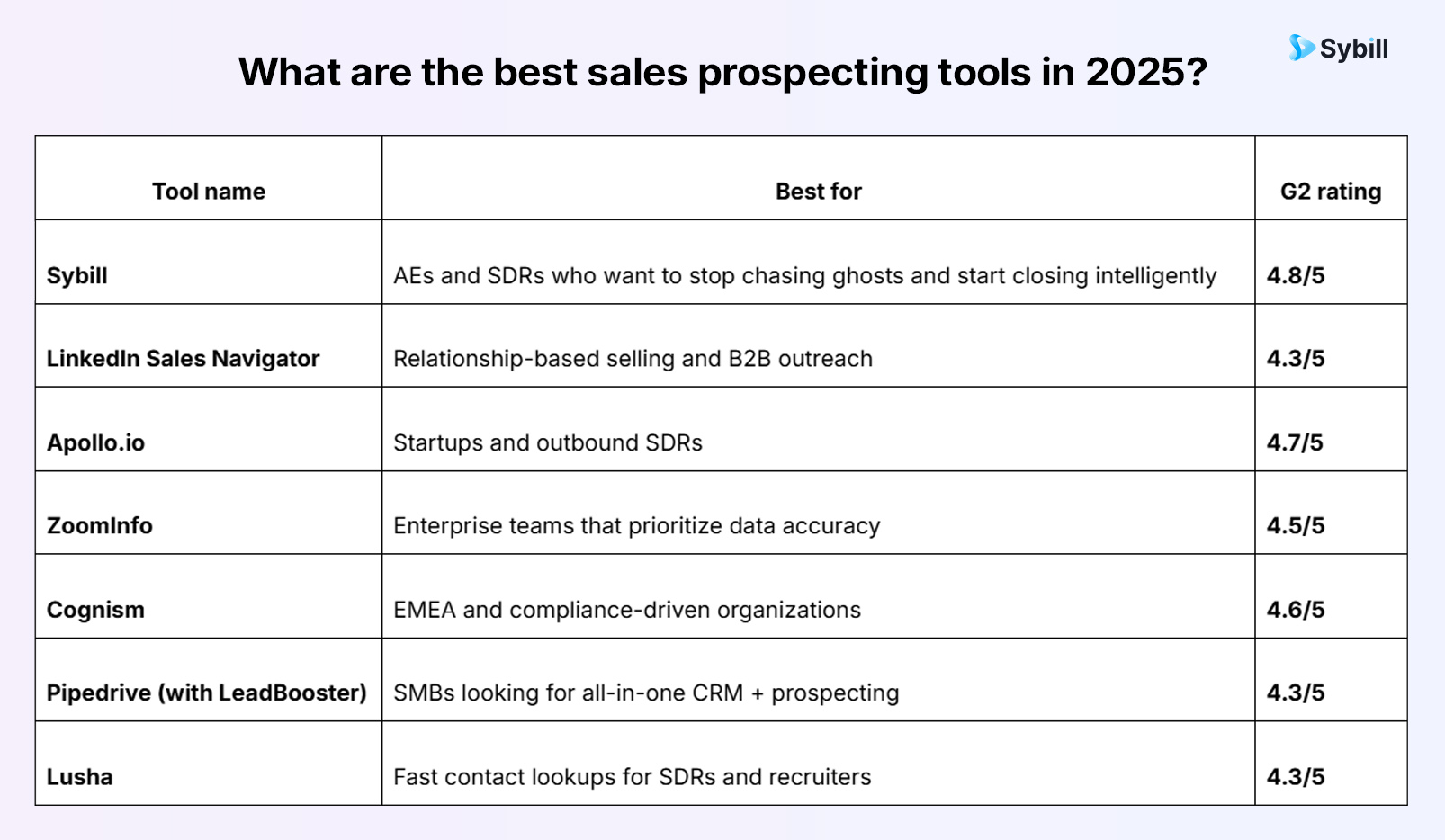
The best sales prospecting tools in 2025 are Sybill for AI-powered pre-call intelligence, deal inspection, and buyer intent analysis that turns every interaction into actionable context; LinkedIn Sales Navigator for relationship-based selling with advanced lead filters and InMail across 1 billion+ users; Apollo.io for high-volume outbound with a 275M+ contact database and automated sequencing; ZoomInfo for enterprise-grade intent data with 400M+ contacts and workflow automation; Cognism for GDPR-compliant verified contact data in regulated markets; Pipedrive with LeadBooster for SMB CRM and prospecting in one place; and Lusha for fast browser-based contact lookups. The best choice depends on whether you need data volume, compliance-first enrichment, outbound automation, or AI-driven buyer intelligence that tells you who is ready to buy and why.
Want to know why sales prospecting fails? Click here to read.
This blog dives into the best sales prospecting tools in 2025. You’ll find everything from data intelligence platforms to the best AI tools for sales prospecting that read buyer intent, qualify leads automatically, and tell you exactly where to spend your next minute.
By the end, you’ll know which tools help you build a sharper, cleaner, more confident pipeline, without burning out your team or your espresso machine.
But first…
If you’ve ever lost half your day stalking LinkedIn profiles or copy-pasting emails from old spreadsheets, you already know why sales prospecting tools exist.
Simply put, a sales prospecting tool automates the painful parts of selling - research, lead scoring, outreach, and qualification, all so you can focus on actual conversations instead of admin chaos. These tools act like your behind-the-scenes wingman, pulling data, tracking buyer behavior, and serving up the prospects most likely to convert.
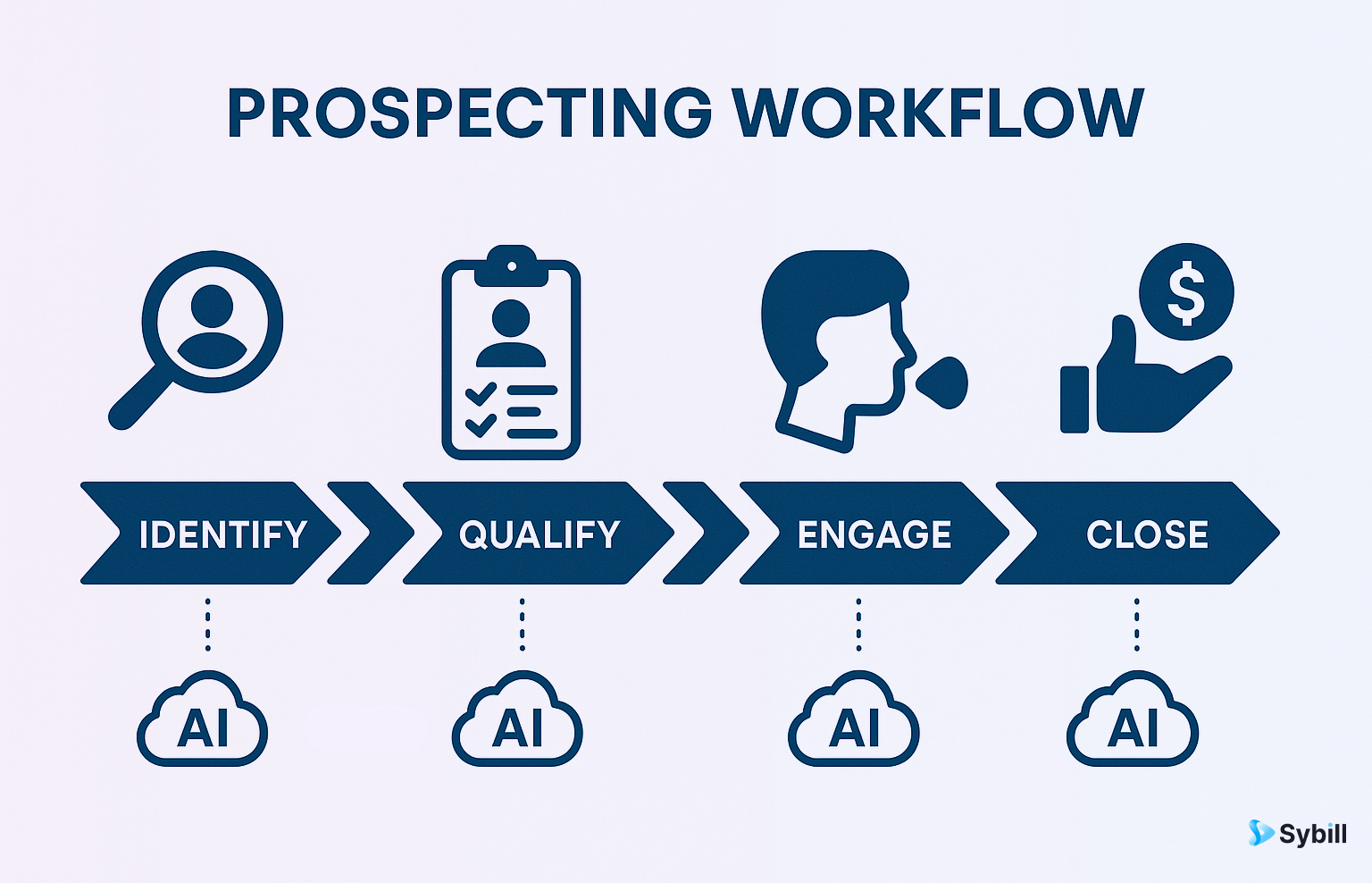
Broadly, there are three types of tools for sales prospecting dominating the 2025 landscape:
That last category is where the real revolution’s happening. The old “big database” tools are giving way to AI insights tools that understand context, not just contacts. They turn every meeting, email, and call into a data point for smarter targeting and timing.
This is where Sybill flips the game.
Unlike traditional databases, AI platforms like Sybill don’t find leads. They tell you who’s most likely to buy, why they’re ready, and how to close faster.
Prospecting has officially moved from spreadsheets to science.
Here’s our shortlist of tools that actually help you prospect smarter across data, intent, and engagement.
When most tools brag about databases, Sybill talks about deals. It’s not here to just feed you names and numbers. It’s the AI that helps you qualify faster, personalize smarter, and spot intent before your competitor even hits send.
That’s what makes Sybill not just another name on the list of the best sales prospecting tools, but the one that’s redefining the game entirely.
Sybill hands you context, not contacts, turning every lead, meeting, and email into a story about buyer readiness. Its suite of AI features connects the dots between people, patterns, and probability, giving sales teams the one thing every prospector needs: clarity.
Sybill’s Pre-Meeting Briefs scan your calendar, CRM, call history, emails and the internet to deliver everything you need to know about a buyer before a single word is spoken. No more late-night LinkedIn lurking.
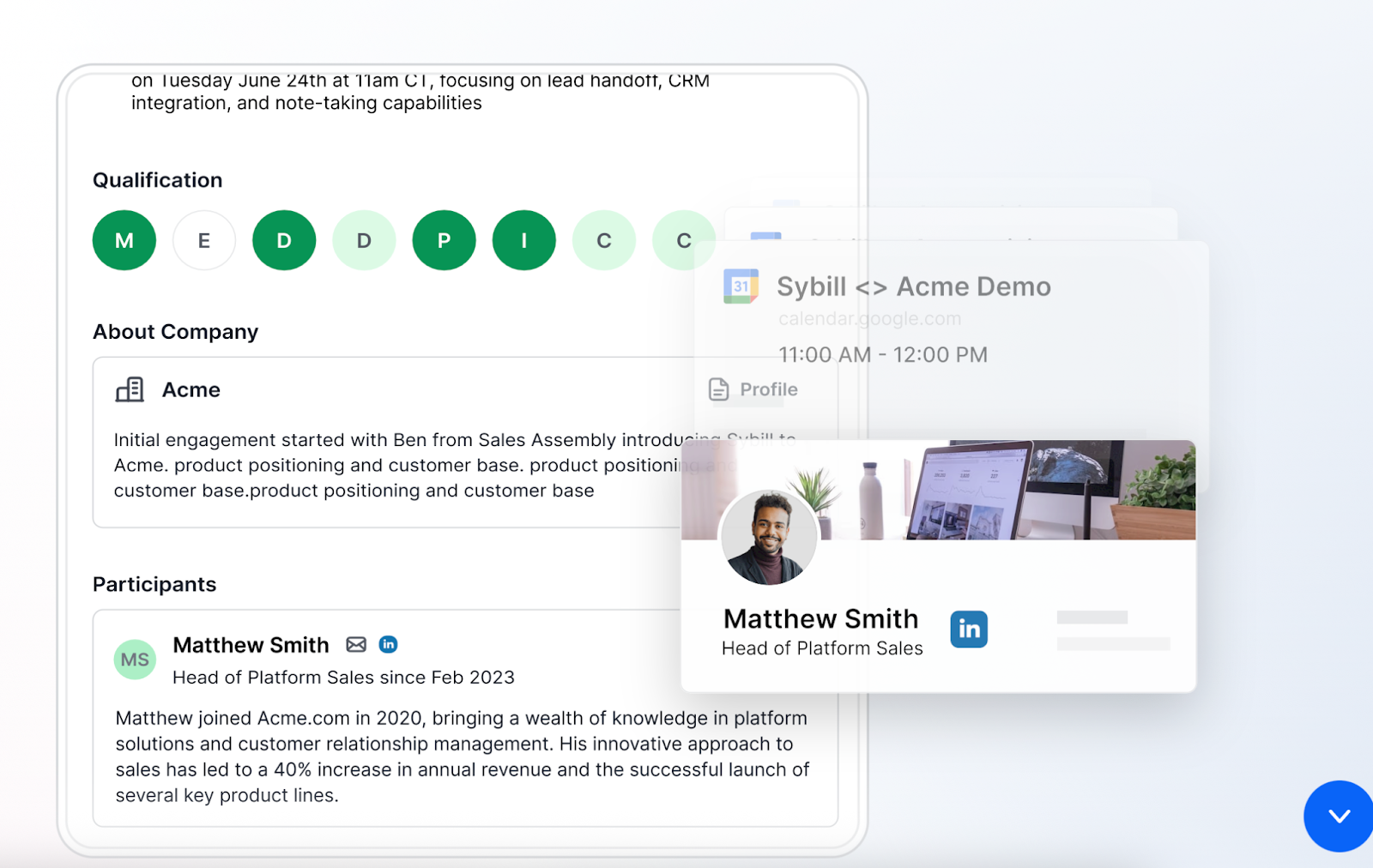
You’ll see who’s attending, their company milestones, what was discussed in the last meeting, and even suggested agendas, auto-adjusted for discovery when you use it for sales prospecting.
That means when you show up, you’re starting from insight.
Forget dashboards full of vanity metrics. With Deal Inspection, you can literally ask Sybill questions like:
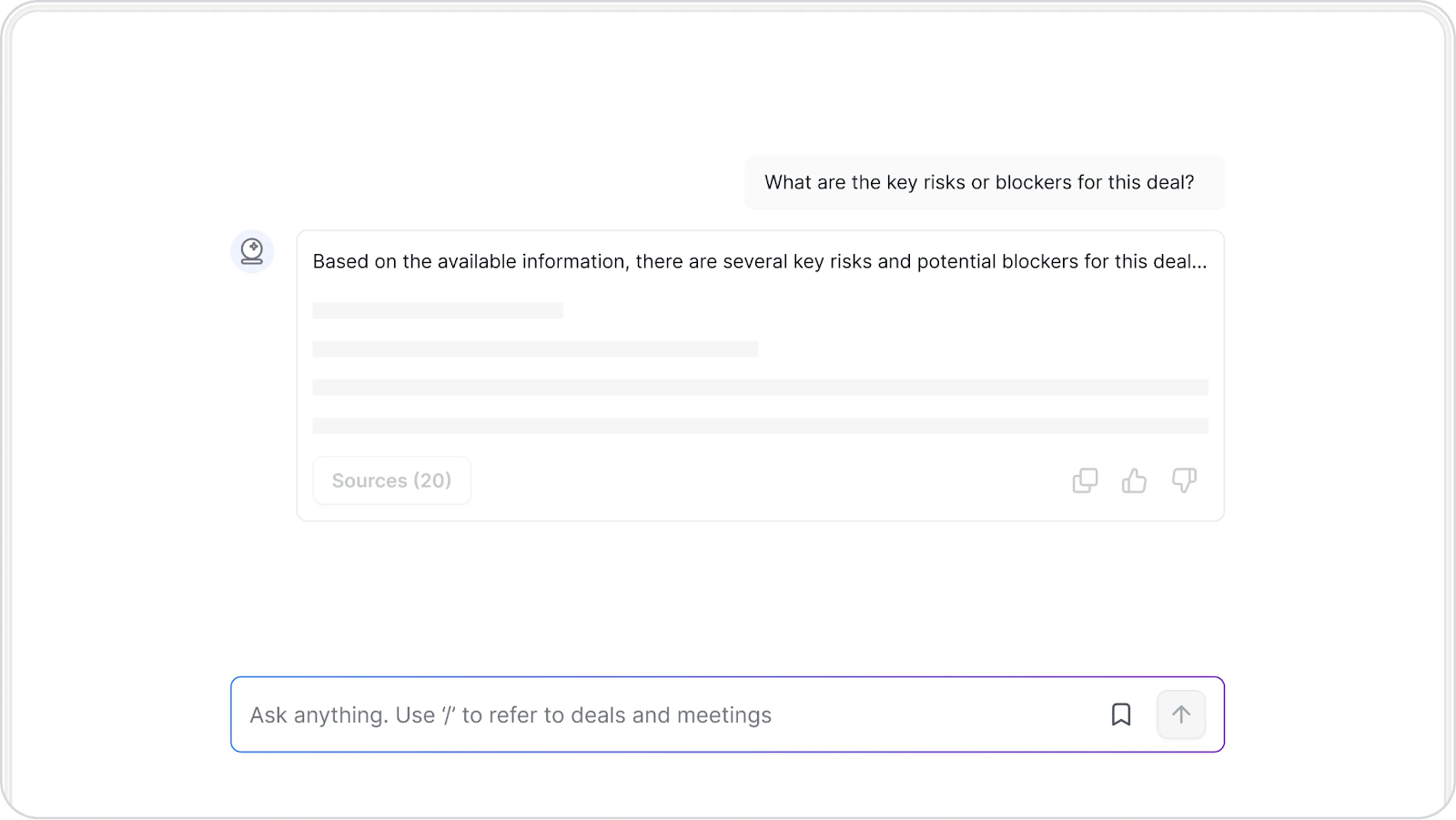
Sybill instantly evaluates deals across four lenses - Qualification, Momentum, Risk, and Alignment - so you can pinpoint gaps, detect red flags, and focus on the prospects who are truly moving forward.
This is prospecting with surgical precision - knowing who’s worth your next email and who’s already a lost cause.
Traditional tools tell you who to call; Sybill tells you why they’ll pick up (or not).
With Buyer Intelligence, Sybill reads between the lines of your meetings and emails, identifying buyer pain points, urgency triggers, motivations, and stakeholder priorities. It even maps what each decision-maker cares about - from the champion’s personal win to the CFO’s ROI demand.
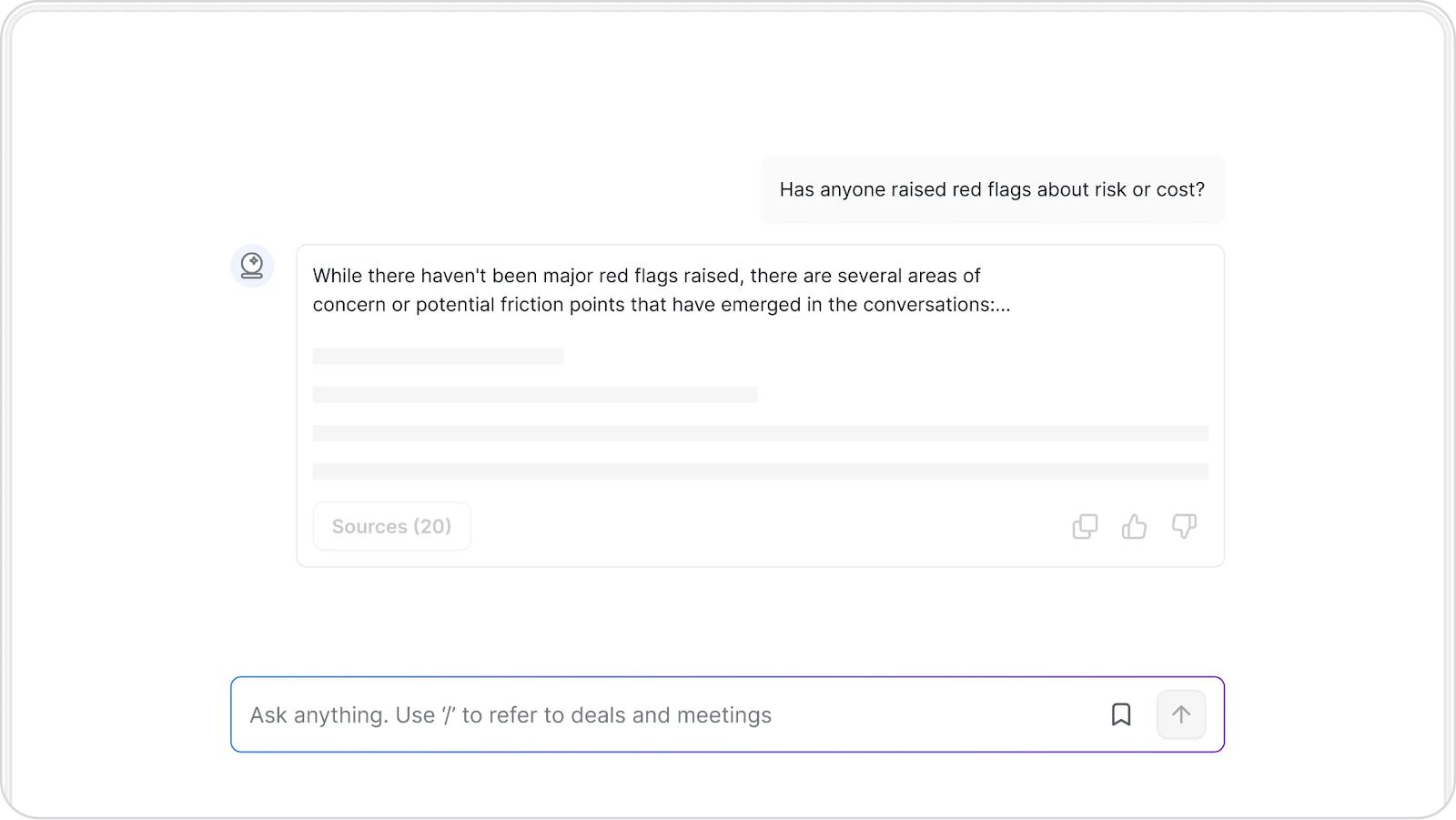
That means your outreach, follow-ups, and pitches are rooted in real buyer psychology, not generic templates.
Together, these features make Sybill less of a tool and more of a thought partner. It gives reps the foresight to qualify smarter, personalize deeper, and move deals faster, all while cutting admin time in half.
Best for: AEs and SDRs who want to stop chasing ghosts and start closing intelligently.
G2 rating: 4.8/5
Pricing: Free trial; paid plans start at $19/user/month.
While others analyze data, Sybill analyzes people. It reveals buyer intent before your competitor even knows there’s a deal.
Click here to try Sybill for free.
If sales prospecting were a party, LinkedIn Sales Navigator would be the one who knows everyone. It even has a mental Rolodex for who’s hiring, who just got promoted, and who’s quietly open to new tools.
As one of the best sales prospecting tools for relationship-led selling, Sales Navigator helps you find and connect with decision-makers across LinkedIn’s 1 billion+ user base. With advanced lead filters, you can zero in on prospects by company size, seniority, location, or even recent job changes.
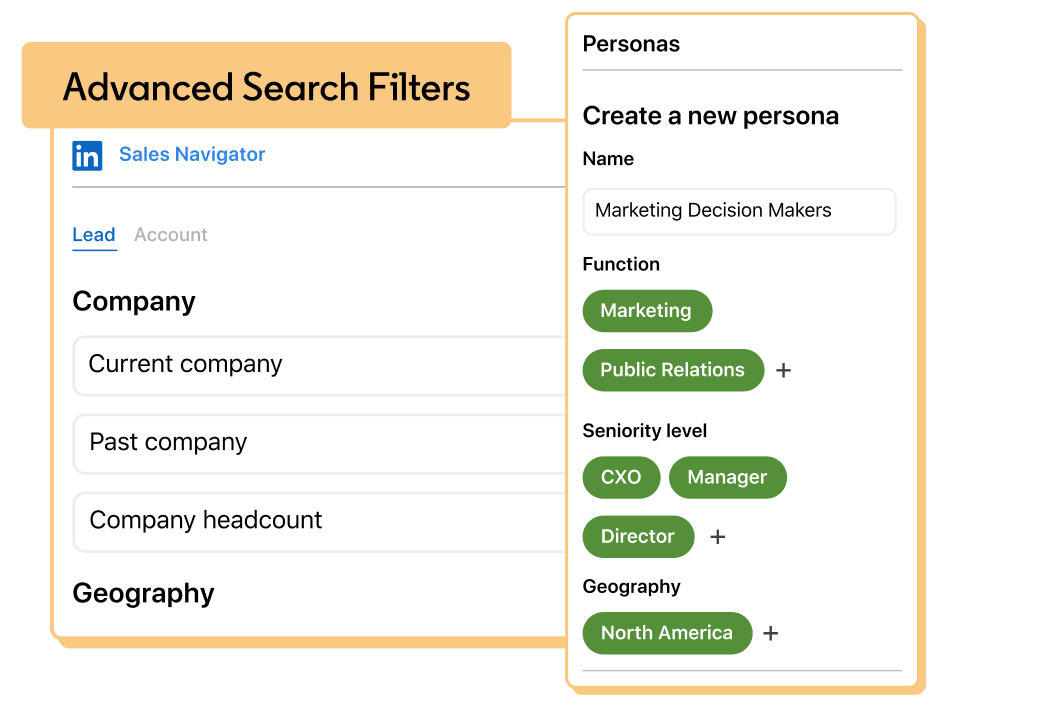
Its InMail feature lets you message people outside your network - a lifesaver for SDRs trying to bypass gatekeepers. Relationship mapping shows shared connections and warm paths into target accounts.
For B2B outreach and account-based selling, LinkedIn can be a goldmine. But while it’s brilliant at surfacing who to contact, it doesn’t tell you how ready that person is to buy. There’s no built-in buyer intent, emotional signal tracking, or deal health analysis, which means reps still have to pair it with AI tools like Sybill for deeper insight and context.
Best for: Relationship-based selling and B2B outreach.
G2 rating: 4.3/5
Pricing: Not publicly available, but user reports on G2 suggest it’s $16K-$100k per year.
Final verdict on LinkedIn Sales Navigator: Great for finding leads, but limited for follow-through or intent analysis.
If prospecting were speed dating, Apollo.io would be the one with a list of 200 matches and a message ready for each. It’s one of the best sales prospecting tools for teams that live and breathe outbound, and is a platform designed for scale, speed, and relentless outreach.
With access to a massive B2B database of over 275 million contacts and 73 million companies, Apollo gives SDRs everything they need to build targeted lists in minutes.
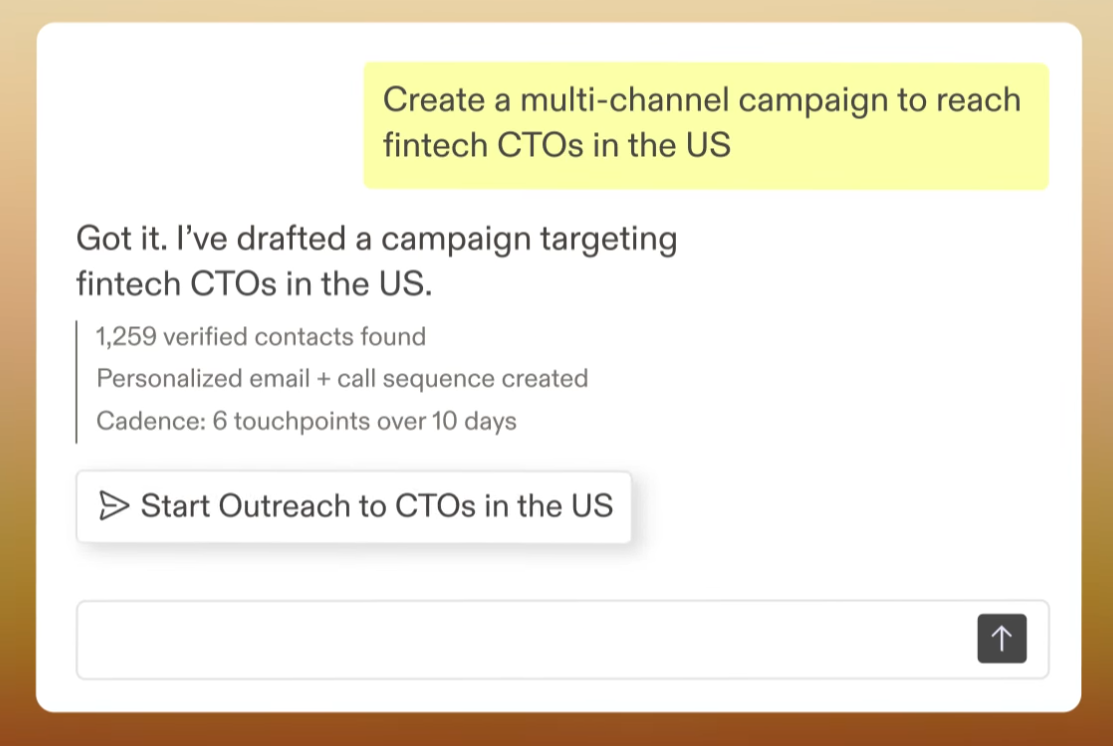
Apollo’s secret sauce is its all-in-one workflow: prospect, sequence, and follow up without ever switching tabs. Its automation engine can send hundreds of cold emails, track replies, and even optimize send times - ideal for teams that prioritize volume and velocity.
But here’s the trade-off: Apollo can flood you with leads faster than you can qualify them. It’s a data powerhouse, not an insight engine. That’s why top-performing teams often pair Apollo with AI tools like Sybill, which analyze engagement and buyer intent to separate real opportunities from inbox noise.
Best for: Startups and outbound SDRs.
G2 rating: 4.7/5
Pricing: Paid plans start from $49/user/month.
Final verdict on Apollo.io: Great for volume, not nuance; pairs well with tools like Sybill that qualify leads intelligently.
When it comes to sheer data muscle, ZoomInfo is the heavyweight champ. With a database boasting 400M+ contacts and 100M+ company profiles, it’s one of the best sales prospecting tools for enterprise teams that live on precision and scale.
ZoomInfo’s strength lies in its proprietary intent data. It tracks billions of digital signals to show when prospects are actively researching solutions like yours. Pair that with workflow automation and deep CRM integrations, and you’ve got a platform that finds prospects and pushes them straight into your outreach sequences.
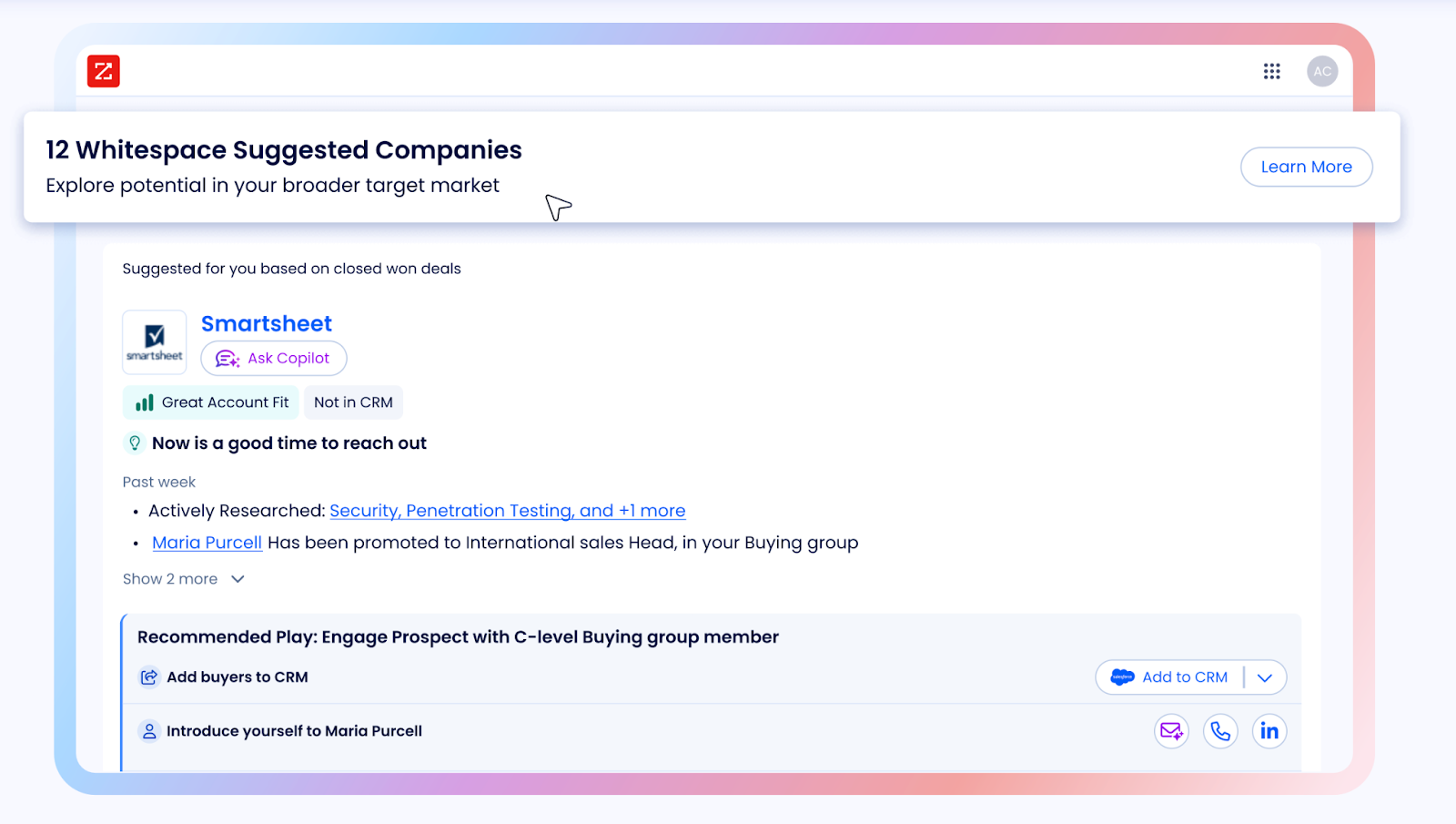
The trade-off is complexity. ZoomInfo’s depth can be overkill for smaller teams that don’t need enterprise-level segmentation, data governance, or multi-seat integrations.
It’s a beast, one that requires dedicated ops support to tame.
Best for: Enterprise teams that prioritize data accuracy.
G2 rating: 4.5/5
Pricing: Custom enterprise pricing. G2 suggests $33k - $71k per year.
Final verdict on Zoominfo: Heavyweight data platform; complex for smaller teams.
Known for its strict adherence to GDPR and CCPA, Cognism is one of the best sales prospecting tools for teams operating in regulated markets like the UK and EU.
Its standout feature is its human-verified data that drastically improves connection rates. Combine that with GDPR-compliant enrichment, and reps get verified, up-to-date information on every contact and account they’re targeting.
Cognism also provides firmographic and technographic filters, making it easy to build highly targeted lists without violating privacy laws. It’s especially useful for companies that need quality over quantity, where every call must count and every email must comply.
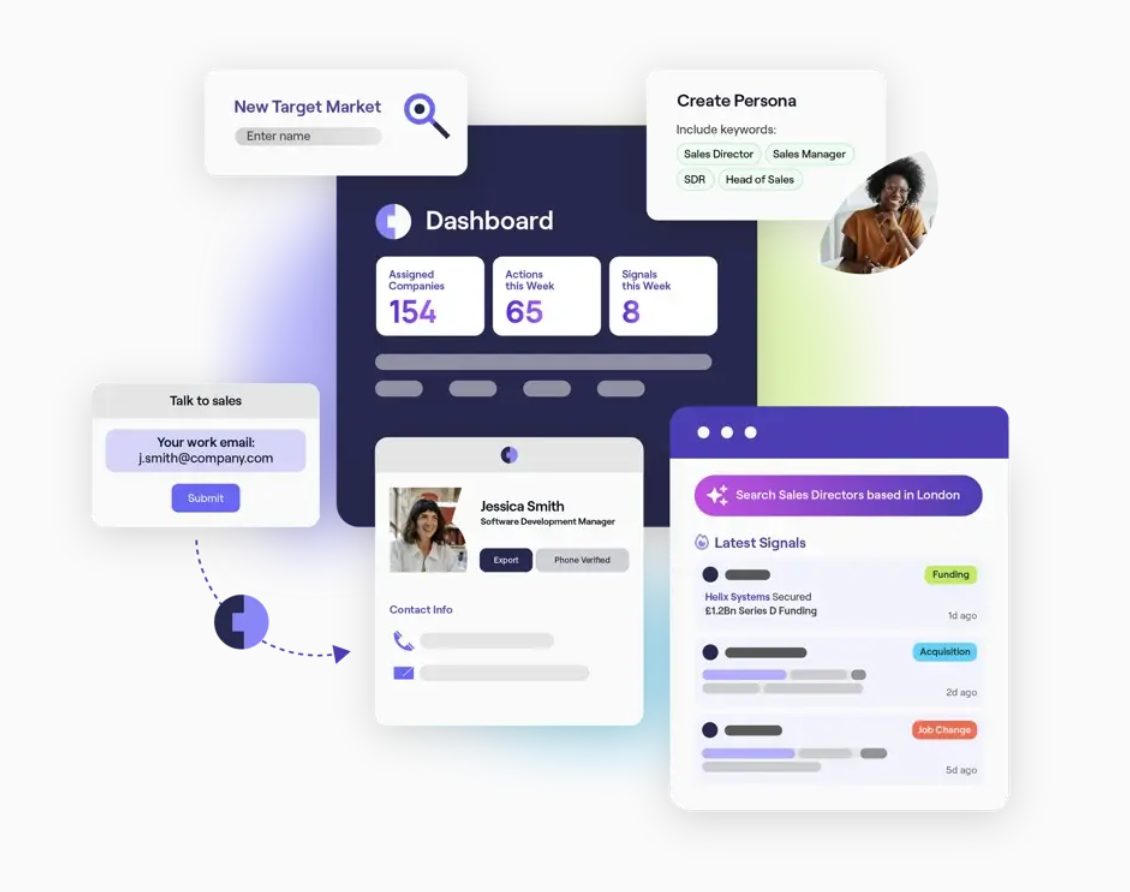
That said, while Cognism’s data quality is world-class, its AI depth is limited compared to platforms like Sybill. It tells you who to contact and how to reach them, but not why they’re ready to buy. For that layer of emotional and behavioral intelligence, pairing it with an AI-driven intent engine like Sybill creates a complete prospecting ecosystem.
Best for: EMEA and compliance-driven organizations.
G2 rating: 4.6/5
Pricing: Custom; G2 approximates $11k - $75k per year.
Final verdict on Cognism: Reliable for verified contact data and regulatory compliance, limited AI depth.
For small teams that want to prospect, sell, and manage deals in one place, Pipedrive with its LeadBooster Add-On is a good starter kit. It combines a built-in lead database, conversational chatbot, and workflow automation.
LeadBooster helps reps capture inbound leads directly from websites, enriches contact details automatically, and syncs everything into Pipedrive’s CRM. Its chatbot can qualify visitors in real time and hand them off to sales, keeping your pipeline warm even while you sleep.
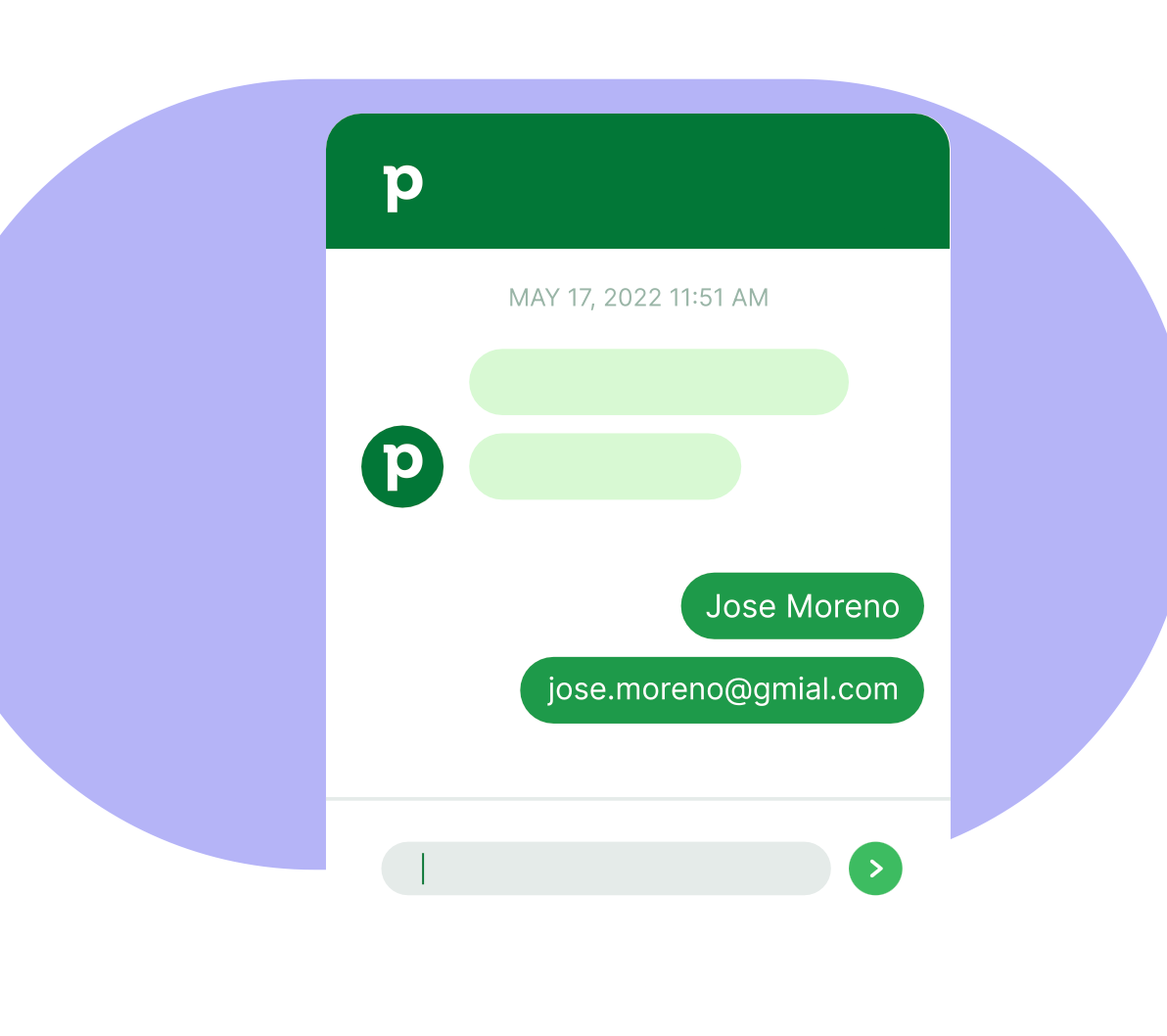
As one of the best prospecting tools for sales teams just getting started, it’s refreshingly easy to set up and intuitive to use. But simplicity comes with limits. While it’s great at managing data and automating tasks, it lacks predictive intelligence or behavioral insights, so it can’t tell you which leads are actually ready to buy.
Best for: SMBs looking for all-in-one CRM + prospecting.
G2 rating: 4.3/5
Pricing: From $14/user/month; LeadBooster is an additional $32.50.
Final verdict on Pipedrive: Easy setup; lacks predictive or behavioral analytics like Sybill.
If your prospecting style is “get me the number, now,” Lusha is your best friend. This lightweight tool is built for speed, giving reps and recruiters instant access to verified phone numbers and emails with just a few clicks.
Its Chrome extension works across LinkedIn, Gmail, and company websites, surfacing contact data right where you’re already researching. With a few seconds and a scroll, you can uncover the key decision-maker at any target company, export the details, and move straight to outreach.
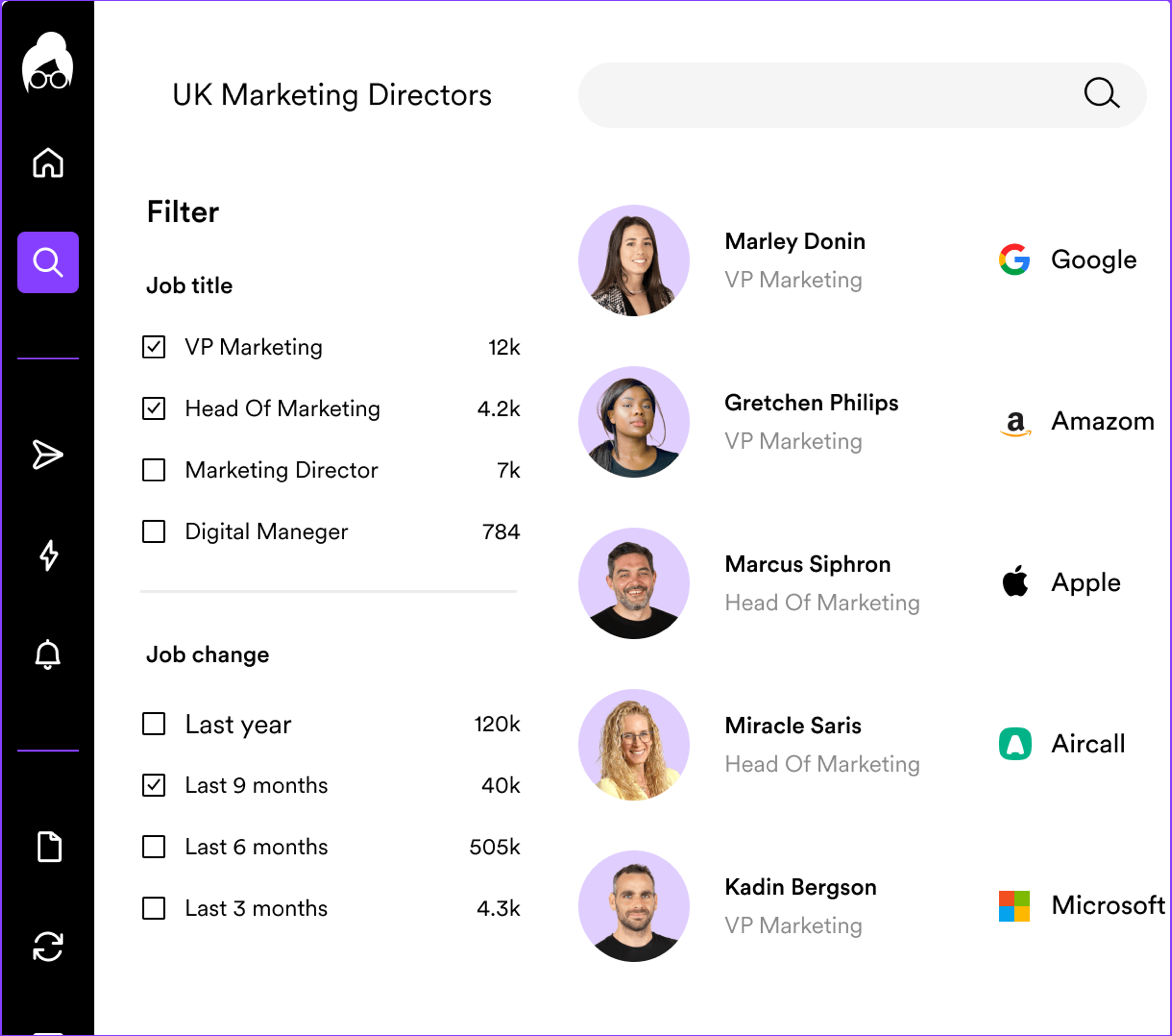
That’s why it’s one of the best sales prospecting tools for SDRs who live in their browsers. But while it shines in quick-hit prospecting and email enrichment, it’s not built for end-to-end sales intelligence. That’s where deeper AI tools for sales prospecting come in, layering intent, emotion, and context over raw data.
Fast, simple, and affordable - Lusha gets you the contact. The rest of the story? That’s Sybill’s territory.
Best for: Fast contact lookups for SDRs and recruiters.
G2 rating: 4.3/5
Pricing: $22.45/user/month (billed annually).
Final verdict on Lusha: Ideal for quick lookups, not end-to-end prospecting.
The best AI tools for sales prospecting are the ones that make your job easier today and smarter tomorrow. With hundreds of “revolutionary” tools out there, it’s easy to get distracted by shiny dashboards and clever acronyms. Here’s how to separate the signal from the sales pitch.
Prospecting is only as good as your data. Verify how often the tool refreshes its database and whether it enriches contacts in real time. Outdated data = wasted dials. Look for platforms that verify phone numbers and emails constantly, not quarterly.
Does the tool just hand you a list of names and numbers or can it tell you who’s actually ready to buy? The best tools for sales prospecting go beyond contact info to analyze signals like engagement, tone, and urgency.
If your AI can’t talk to your CRM, inbox, or calling tools, it’s not helping. Seamless integration means less admin work and more time selling.
Forget the 72-page onboarding manual. A tool is only valuable if your reps actually use it. Prioritize platforms with natural workflows and conversational interfaces (like “Ask Sybill”).
The goal isn’t more data. The best AI tools for sales prospecting pay for themselves in calls and closes, not inflated contact counts.
And that’s why Sybill stands out. It doesn’t just automate prospecting, it humanizes it. By understanding tone, intent, and motivation, Sybill transforms call data into buyer insight, helping every rep sell like they’ve been in the account for months.
Remember Jake, the guy who once dialed 200 strangers a day and called it “pipeline”?
He doesn’t do that anymore. Now he opens his dashboard, sees exactly who’s ready to buy, why they’re interested, and what to say and do next. The chaos is gone. The clarity is here.
That’s the real promise of the best sales prospecting tools today - not just filling your CRM with leads, but focusing your energy where it actually counts. Because in 2025, the best prospecting tools for sales deliver direction more than raw data.
Sybill leads that evolution. Precision meets empathy. Insight meets action.
The best AI tool for sales prospecting is Sybill. Unlike traditional databases or dialer-heavy platforms, Sybill doesn’t just scrape contact data. It helps you interpret that data and decide your next best action. Its AI analyzes buyer tone, sentiment, and engagement during calls and meetings to reveal intent and readiness signals that static dashboards simply miss. With features like Pre-Meeting Briefs, Deal Inspection, and Buyer Intelligence, Sybill equips reps with everything they need to prioritize the right leads, ask smarter questions, and close faster.
The 5 P’s of prospecting outline a repeatable system for consistently finding and converting leads: Plan: Identify your ideal customer profile (ICP), target markets, and outreach strategy. Prioritize: Focus on high-intent prospects who show engagement signals or fit your ICP. Personalize: Use context - company updates, pain points, or goals - to tailor your outreach. Present: Deliver relevant value from the first touch. Persist: Follow up with consistency and purpose - the fortune is still in the follow-up.
The 30-Day Rule reminds reps that prospecting is a compounding activity. The effort you put in today - the calls, emails, and demos you book - will bear fruit roughly 30 days later. Skip a day, and your pipeline feels it a month from now. The most successful teams use this rule to maintain rhythm and accountability. Whether you’re using AI-driven insights or traditional outreach, consistent daily prospecting keeps the funnel healthy and predictable.