Find us at booth #83, join us for a harbor side happy hour, or catch Gorish’s talk.

Sept, 16-18 > Learn more

%20(1).avif)
Mamta Tainwala

April 17, 2026
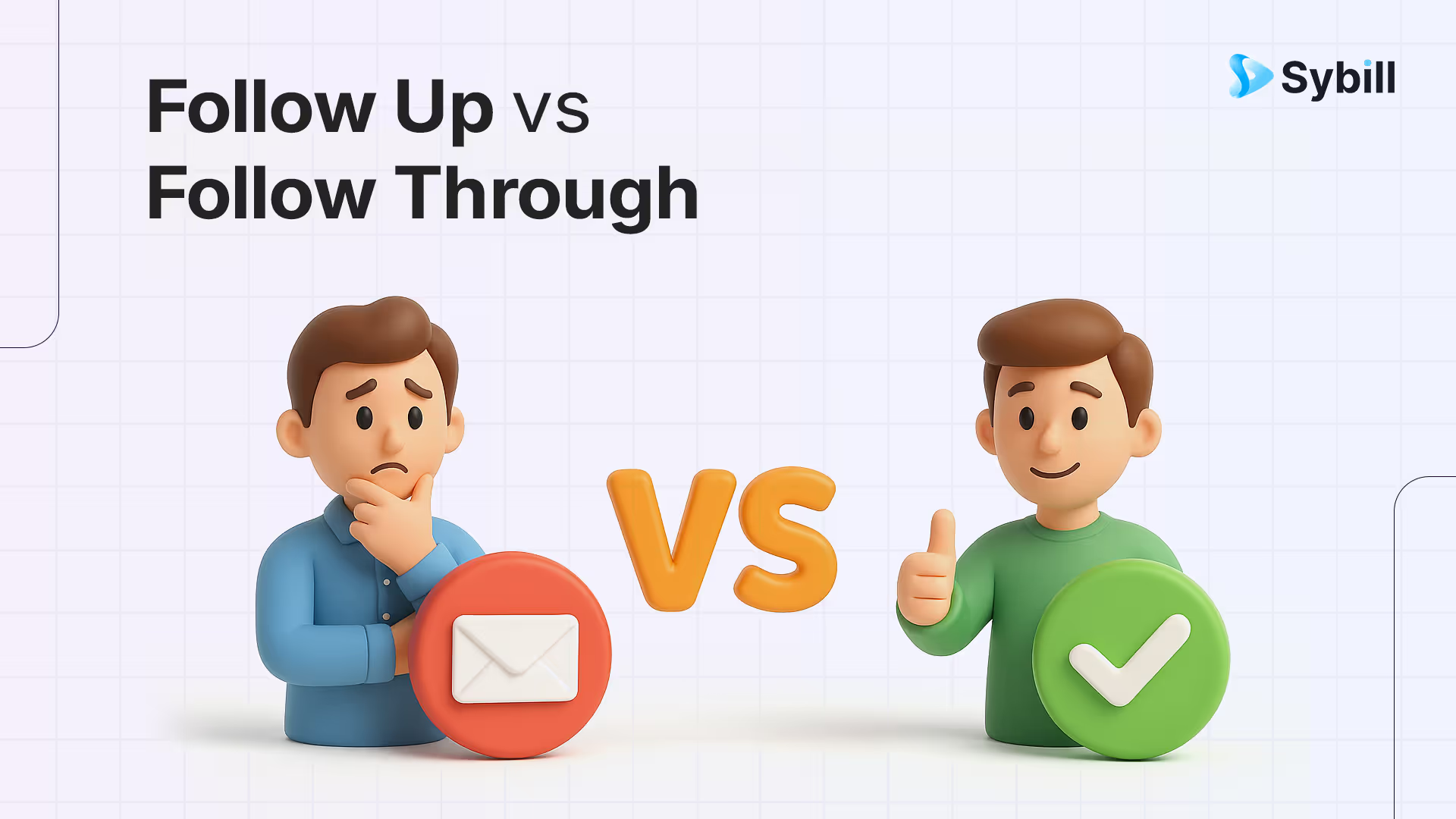
If sales reps had a national anthem, it would probably start with “Just following up on my last email…” and end with “Best, still me.”
We’ve all sung that tune. But while follow up is checking in, follow through is following forward, basically making sure what was promised actually happens.
Here’s the thing: follow up is about reminders; follow through is about reliability. You need both to close deals and build trust. This guide breaks down how they differ, where each fits in your sales flow, and how using Sybill makes both effortless (and much less awkward).
Follow-up is the act of checking in after an interaction — sending emails, making calls, or pinging on Slack to keep communication alive — while follow-through is the act of completing what was promised during those interactions, ensuring commitments actually become outcomes. Sales success requires both: follow-up keeps you top of mind and moves conversations forward, while follow-through builds trust and closes deals by delivering on promises. Sybill automates both by drafting personalized follow-up emails immediately after calls and tracking commitments through CRM autofill and deal workspaces so nothing falls through the cracks.
It’s a nudge. A polite reminder that you exist and that the ball’s still rolling. Follow ups are essential in sales: most deals take 5–7 touches to close.
Follow through transforms your credibility. Buyers start replying faster because they know you’ll always close the loop.
Because both happen after the meeting. But the intent differs.
Follow up is about them. Follow through is about your word.
When you only follow up, you’re chasing.
When you follow through, you’re leading.
Here’s a simple rule:
If the action you’re taking is to get an answer, it’s follow up.
If it’s to deliver an answer, it’s follow through.
A good follow up doesn’t nag, it adds context and value.
You can save hours crafting these with Sybill’s Templates library. After every call, Sybill auto-summarizes the key pain points, metrics, and next steps, then drops them into a pre-written follow-up email you can send instantly.
Follow through starts the moment your meeting ends.
Sybill’s sales workspace tracks these automatically — your notes, tasks, and call summaries sync in one place, so your “I’ll send that later” actually happens.
After every Zoom, Meet, or phone call, Sybill creates a complete summary with key takeaways, decisions, and next steps. You can review them instantly and send a clean recap email using the built-in templates. Learn more in our post on discovery call structure.
Instead of rewriting your own notes, Sybill plugs buyer quotes and metrics straight into ready-made emails. Consistent tone, zero effort.
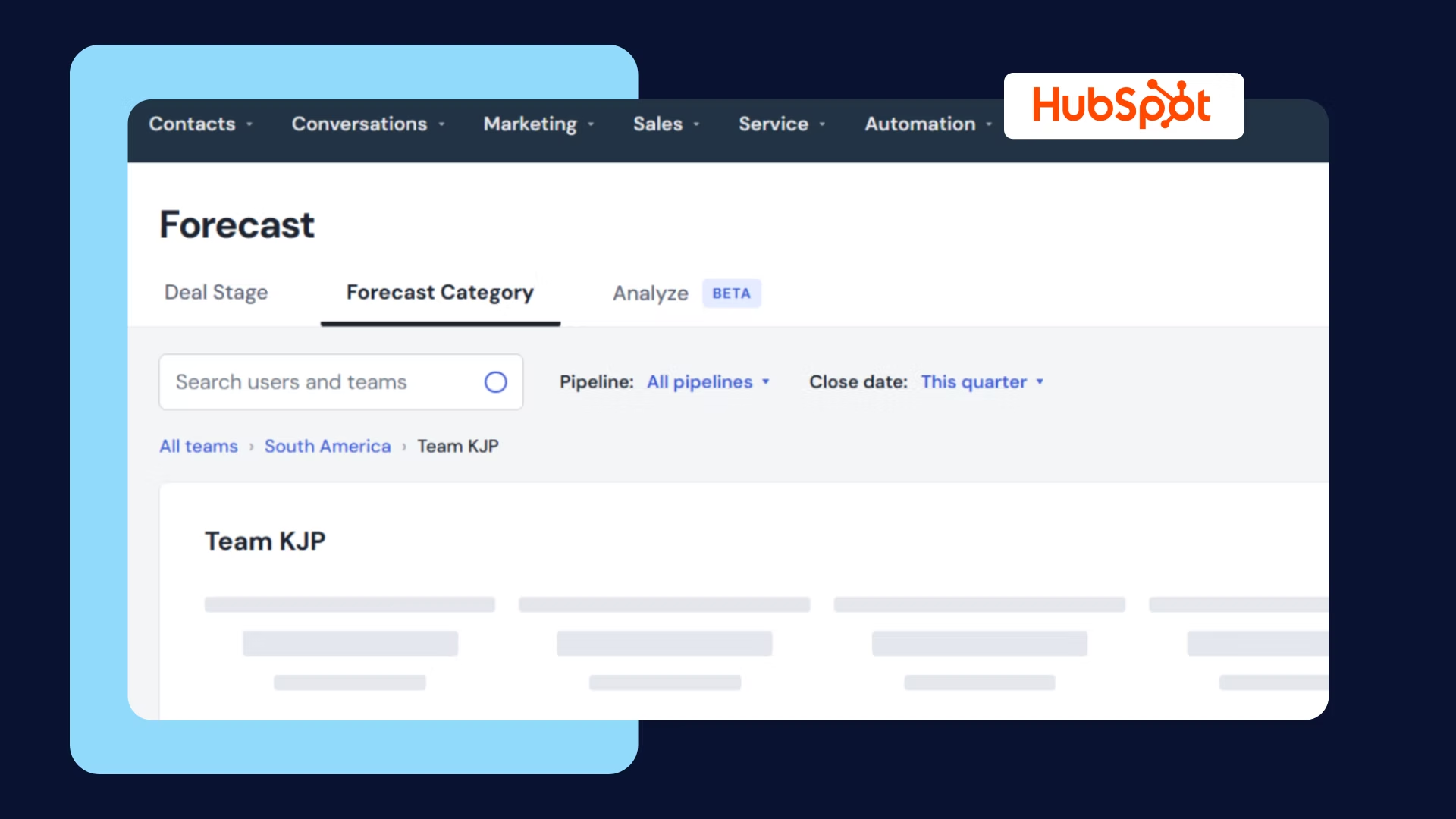
Using Salesforce or HubSpot? The Sybill Salesforce integration auto-fills fields, updates opportunity stages, and logs next steps. Follow-through proof, minus the manual entry.
When your calls are recorded, Sybill captures timelines, owners, and budgets in the background. Your follow-ups become sharper because they’re anchored in facts. Check out AI-powered sales qualification for examples.
Every promise becomes a task with an owner and a due date. You can view all pending next steps right inside your Sybill workspace.
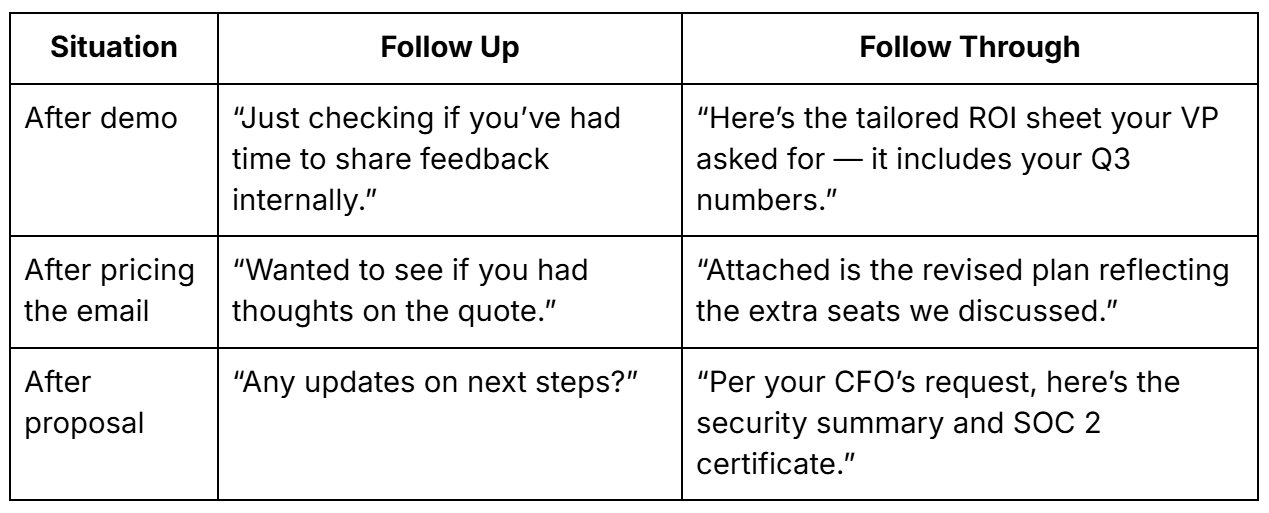
The right rhythm? One follow through for every follow up.
If you want an end-to-end system for conversations, summaries, and follow-ups that doesn’t add busywork, Sybill covers all that out of the box. You can compare plans on the Sybill pricing page.
Follow up gets you remembered. Follow through gets you respected.
And in sales, respect compounds faster than persistence ever will.
You can send all the “Just checking in” emails you want, but without consistent follow through, they become digital background noise. The moment you start doing exactly what you said you would; sending that case study, looping in legal, delivering the revised proposal on time, you shift from “vendor” to “partner.”
The best salespeople aren’t loud; they’re reliable. They build rhythm into every touch: confirm, deliver, remind, advance. Each interaction teaches the buyer that you keep your word. That’s the invisible trust deposit that makes “yes” easier.
Sybill helps you live that rhythm without losing sleep.
It listens, summarizes, drafts follow-ups, assigns next steps, and updates your CRM, all so your promises don’t vanish in a notebook. You get the human side of selling (connection, empathy, trust) supported by automation that quietly keeps you consistent.
Because at the end of the quarter, persistence gets replies.
Reliability gets results.
Because follow through builds credibility. Anyone can send reminders; not everyone delivers results. Buyers remember consistency more than persistence.
Within 24 hours for the first touch, then once a week until you get a response or outcome. Keep it relevant each time — reference what changed or what new insight you’re sharing.
Use AI tools that personalize based on real call content. Sybill’s summaries and templates echo the buyer’s own words, so every email feels written for them.