Find us at booth #83, join us for a harbor side happy hour, or catch Gorish’s talk.

Sept, 16-18 > Learn more


Tamanna Mishra

May 1, 2026
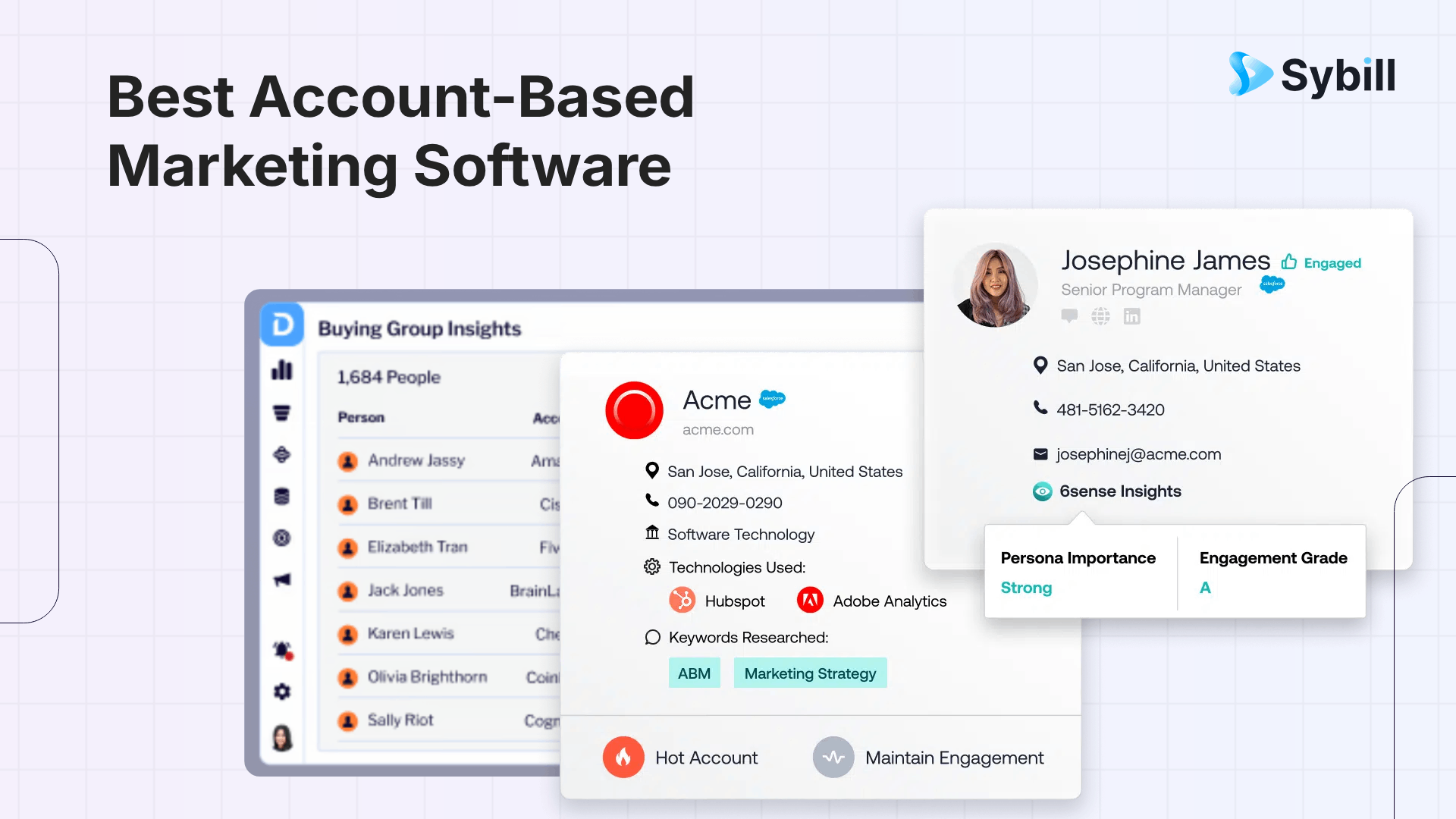
Most account based marketing software can tell you who to target and when they’re active. Very few help you actually close the deal. The best ABM software in 2026 combines intent data, orchestration, and execution. In this guide, we break down 6 of the best ABM platforms, their real strengths and limitations, and why most ABM stacks still fail without an execution layer like Sybill.
ABM, on paper, is beautiful.
Pick your dream accounts.
Craft personalized campaigns.
Align sales and marketing.
Close bigger deals faster.
Reality?
Your marketing team is running LinkedIn ads. Your SDRs are chasing “high intent” accounts.
Your AEs are walking into calls with half the context. And your CRM? Let’s not even go there.
It’s not that account based marketing software doesn’t work. It’s that most of it stops halfway.
It identifies accounts. It tracks engagement. It maybe even scores intent.
But it doesn’t help you execute consistently across the messy, human, multi-stakeholder buying journey.
And that’s where things fall apart.
Let’s fix that. But first, if ABM still feels a bit fuzzy, don’t guess your way through it. Read our breakdown of what is account-based marketing first.
At its core, account based marketing software helps B2B teams:
Unlike traditional marketing, ABM treats each company as a market of one. Instead of chasing leads, you go after accounts that actually matter.
Modern platforms combine:
That’s the promise.
Here’s the uncomfortable truth:
Most ABM tools optimize for visibility, not execution.
They tell you:
But they don’t tell your team:
So teams guess.
And ABM becomes just another expensive dashboard.
1. Data without context
Intent data tells you what is happening, not why.
2. Signals without action
Marketing sees engagement. Sales doesn’t know how to use it.
3. Personalization without depth
Templates ≠ real personalization.
4. Alignment without execution
Sales and marketing may align on accounts, but not on actions.
Most platforms are built around account-level signals, not real buyer conversations. That’s a massive blind spot.
The best ABM platforms in 2026 go beyond targeting. They enable:
And increasingly, they need to connect marketing signals with sales conversations.
Because deals are not won in dashboards. They’re won in conversations.
.png)
Best for: Enterprise ABM orchestration
Demandbase is one of the most comprehensive account based marketing software platforms out there. It combines data, advertising, and analytics into one ecosystem.
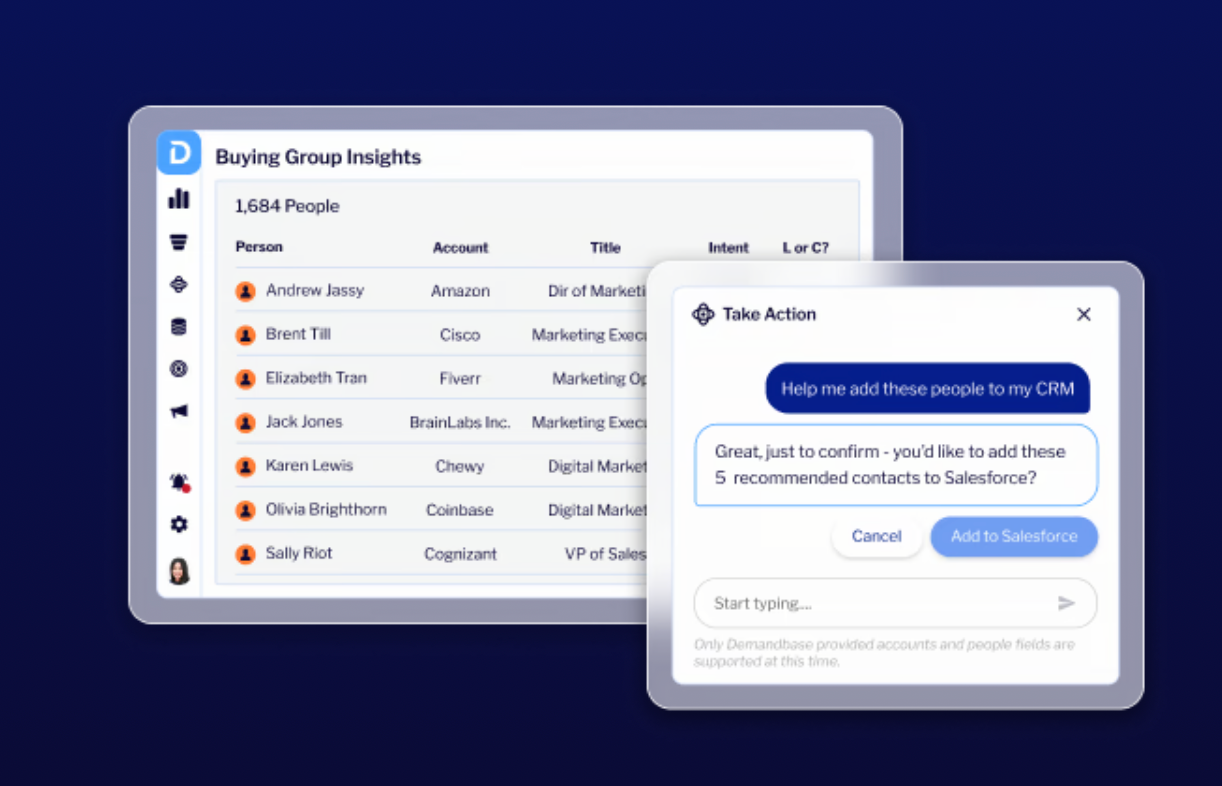
What it does well:
Where it struggles:
If you’re an enterprise with time, budget, and a mature GTM team, it’s powerful. If not, it can slow you down.
Best for: Predictive analytics and intent data
6sense is built around one core idea: predict who will buy before they raise their hand.
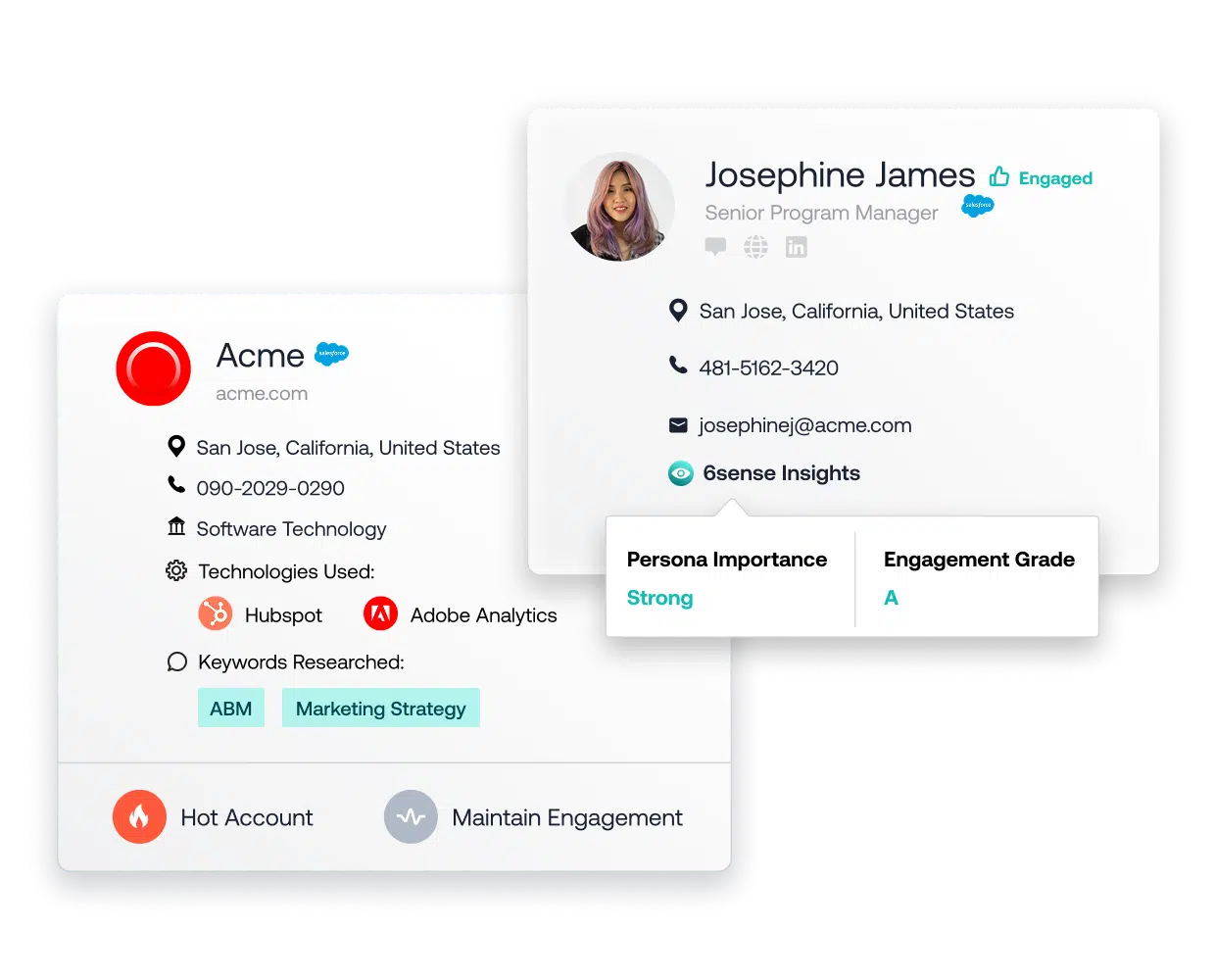
What it does well:
Where it struggles:
Great for identifying demand early. Not as strong at helping teams act on it.
Best for: SMB and mid-market teams
RollWorks simplifies ABM for teams that don’t want enterprise complexity.
What it does well:
Where it struggles:
A good entry point into ABM. Not built for deep, multi-threaded deals.
Best for: Data and targeting
ZoomInfo is the data engine behind many ABM strategies.
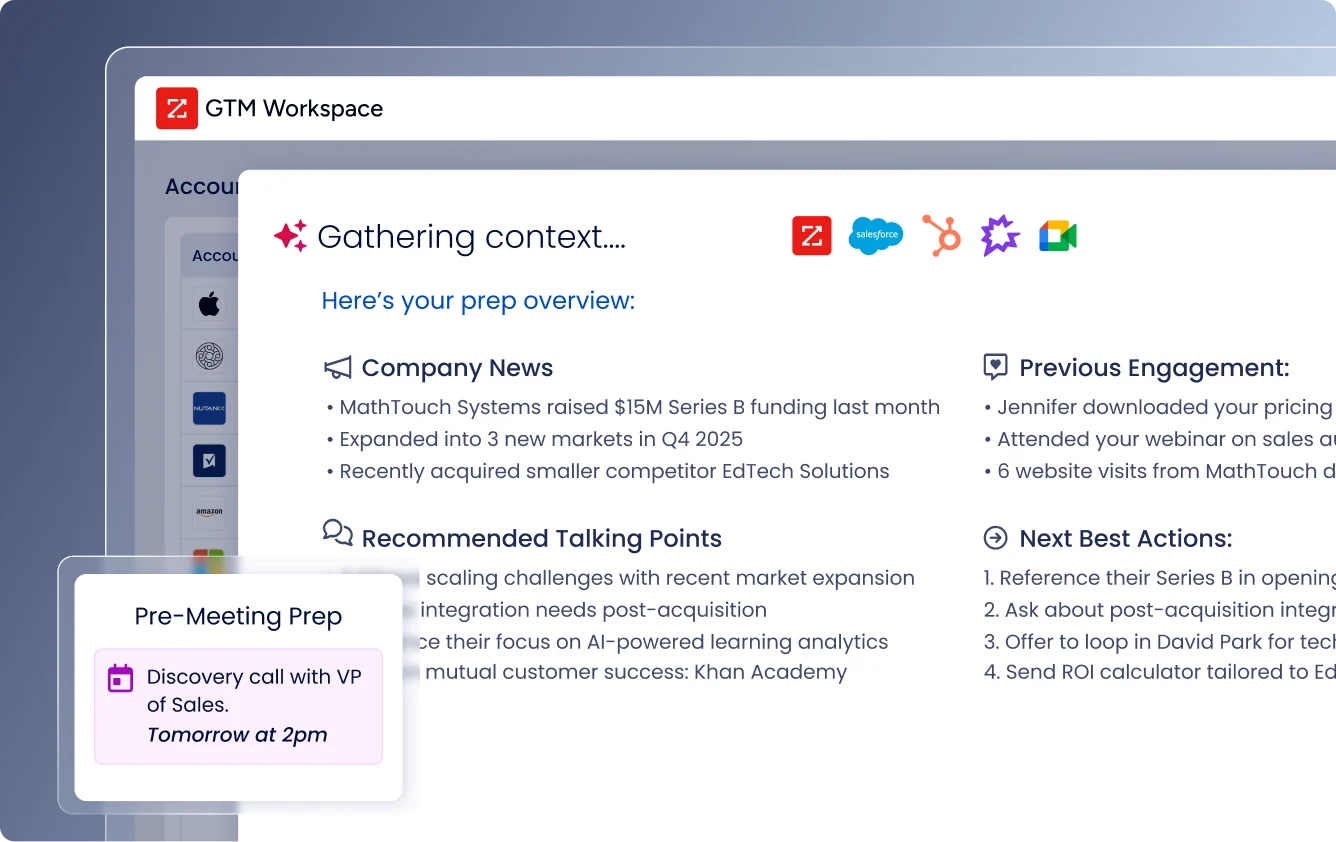
What it does well:
Where it struggles:
Think of it as the fuel. You still need an engine.
Best for: Website personalization
Mutiny focuses on one thing: turning your website into an ABM channel.
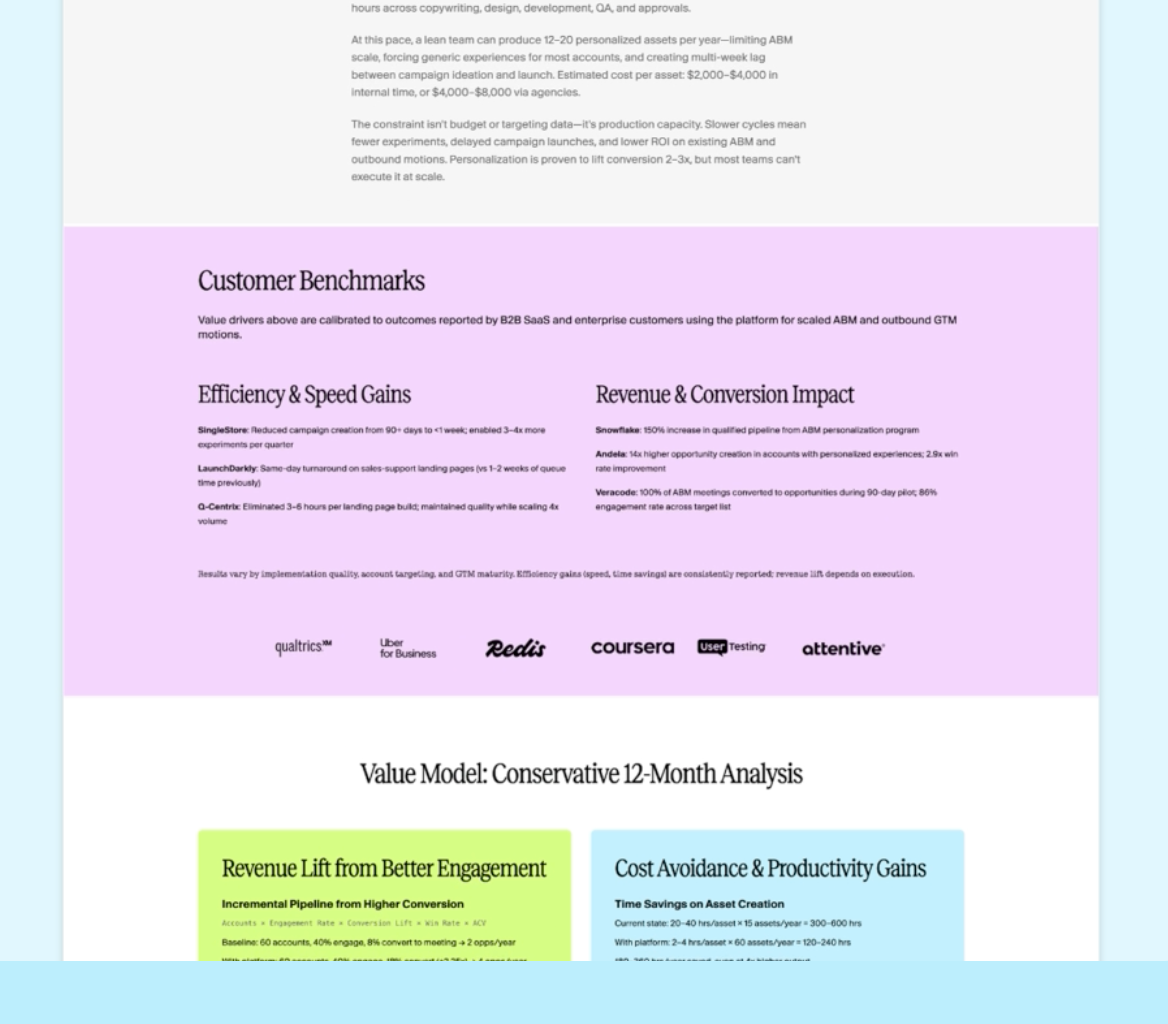
What it does well:
Where it struggles:
Great for personalization. Not a complete ABM system.
Your stack probably looks like this:
Everything looks connected. But then a deal stalls. Because your stack has zero visibility into what’s actually happening inside conversations.
None of your ABM tools can answer that. So your team guesses again. And ABM becomes… expensive guesswork.
This is where Sybill changes the game. Not by replacing your ABM tools, but by making them actually work.
Sybill sits on top of your ABM stack and connects:
Marketing signals → Sales conversations → Execution
It turns scattered data into clear, actionable next steps.
ABM success depends on:
Sybill gives you all three by grounding your strategy in real buyer conversations.
Most ABM tools tell you who to target.
Sybill tells you what to say, what to do next, and makes sure it actually happens.

The biggest mistake teams make? They think better tools will fix ABM. They won’t.
Because ABM isn’t a tooling problem. It’s an execution problem.
Data is abundant. Signals are everywhere. Dashboards look great.
But deals are won when:
The best account based marketing software helps you target accounts. The best ABM strategy helps you win them.
And Sybill just makes it all easier.
There is no single best tool. Demandbase is strong for enterprise orchestration, 6sense for predictive analytics, and ZoomInfo for data. But most teams need an execution layer like Sybill to actually convert insights into deals.
ABM software helps B2B teams identify, target, and engage high-value accounts using data, intent signals, and multi-channel campaigns instead of focusing on individual leads.
6sense is widely considered the best ABM platform for predictive analytics, using AI to identify in-market accounts and prioritize outreach.
Top ABM platforms include Demandbase, 6sense, RollWorks, ZoomInfo, and Mutiny. Each focuses on different parts of the ABM workflow, from data to execution.
Demandbase, 6sense, and ZoomInfo are often considered the top three ABM tools based on market presence, capabilities, and adoption.
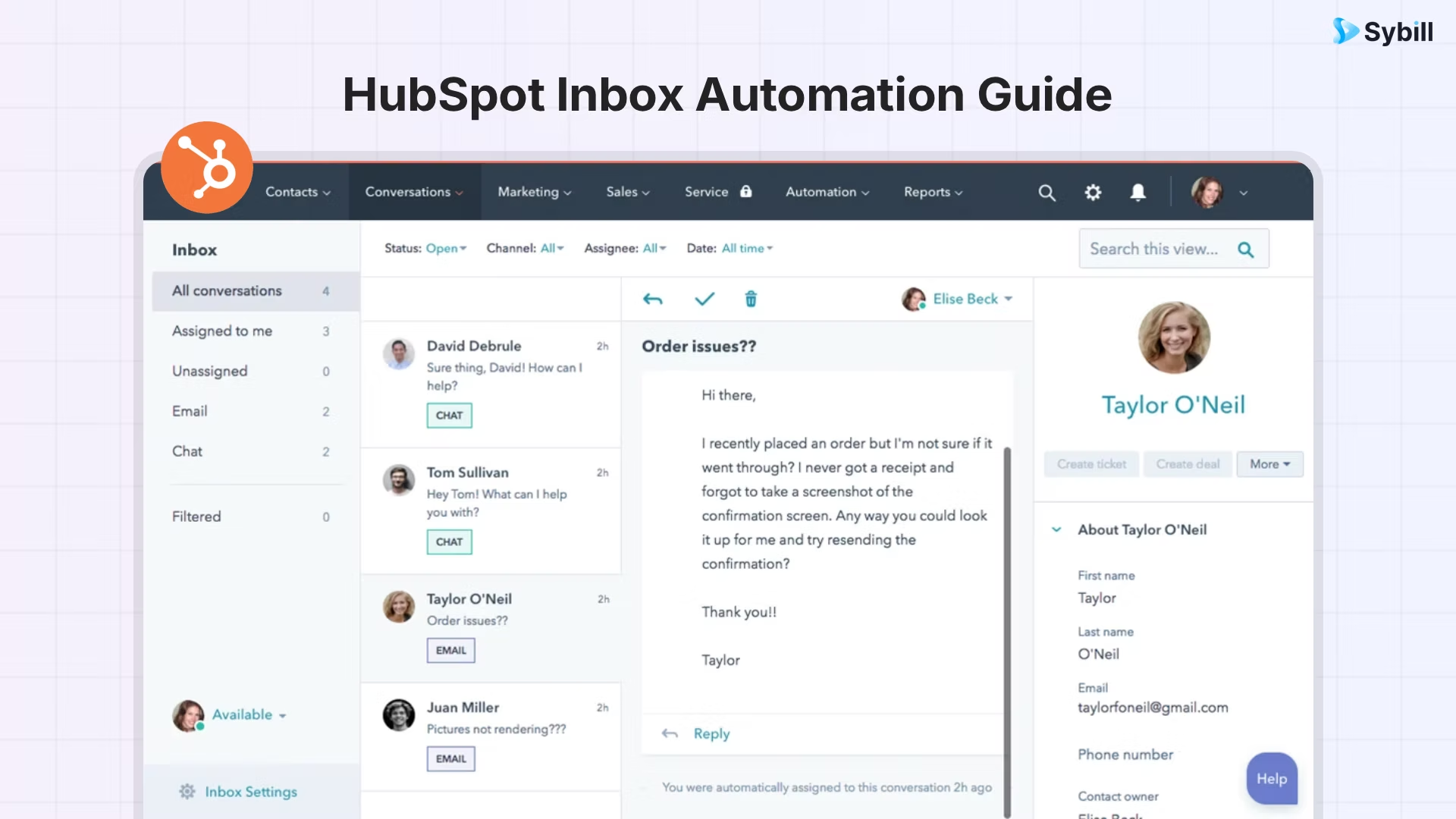
RollWorks or HubSpot are good starting points for small SaaS teams. For scaling execution and personalization, adding Sybill can significantly improve outcomes.
There is no single best tool. Demandbase is strong for enterprise orchestration, 6sense for predictive analytics, and ZoomInfo for data. But most teams need an execution layer like Sybill to actually convert insights into deals.
ABM software helps B2B teams identify, target, and engage high-value accounts using data, intent signals, and multi-channel campaigns instead of focusing on individual leads.
6sense is widely considered the best ABM platform for predictive analytics, using AI to identify in-market accounts and prioritize outreach.





.avif)