Find us at booth #83, join us for a harbor side happy hour, or catch Gorish’s talk.

Sept, 16-18 > Learn more


Tamanna Mishra

April 27, 2026

Sales incentive programs should feel motivating. Instead, they feel like an episode of Succession where everyone is arguing about who deserves what, nobody trusts the numbers, and Finance is quietly updating a spreadsheet at midnight.
Too many sales teams are still running incentive programs like it is 2012. Spreadsheets passed around like family secrets. Shadow accounting by reps who do not trust the official numbers. Slack threads that start with "Quick question about my commission" and end three hours later with screenshots, formulas, and escalating tension.
The best sales incentive software in 2026 includes Visdum (best for SaaS-specific commission automation), CaptivateIQ (best for flexible plan design at scale), Qobra (best for European teams and real-time commission visibility), Xactly Incent (best for enterprise governance and compliance), and Everstage (best for gamification and rep engagement), with the key shift being from tools that just calculate payouts to platforms that design, automate, and track incentive programs tied to behaviors that actually drive revenue rather than rewarding only closed deals.
But the truth is, reps care more about incentives than dashboards. They will tolerate a messy CRM, ignore half the enablement content, and still show up ready to sell. But mess with their incentives and everything stops. Leaders, on the other hand, care about predictability and fairness. They want to know what they are paying for and whether incentive spend is actually driving the right outcomes.
Most tools in the market solve payouts. They calculate commissions, generate statements, and help Finance close the month. What they do not solve is motivation. Or trust. Or the behaviors that actually lead to closed deals.
That is why this guide exists. This blog breaks down the best sales incentive software and the best tools for managing sales incentive programs that go beyond math and start influencing how sales teams actually sell.
Sales incentive software is often confused with commission software. That confusion is exactly why many incentive programs fall flat.
True incentives go far beyond a single payout formula.
Sales motivation is not just financial. It is emotional and psychological.
Reps want to know:
When incentives are unclear, reps create their own math. Shadow accounting appears. Disputes multiply.
This is where sales incentive management software matters. It does not just calculate commissions. It:
The best sales incentive management software creates a shared source of truth.
When everyone trusts the system, incentives stop being a monthly argument and start driving the behaviors that actually lead to revenue.
Not all incentive platforms are created equal. The best sales incentive software does not just make payouts easier. It makes incentives credible, scalable, and motivating.
Here is what actually matters when evaluating your options.
Manual calculations invite errors and disputes. Strong incentive software automates every calculation and maintains a complete audit trail.
You should be able to:
If Finance cannot trust the numbers, the system will not last.
Sales teams do not sell in straight lines. Your incentive software should not force them into one either.
Look for platforms that support:
Rigid plans age quickly. Flexibility keeps incentives relevant.
Incentives lose power when they show up weeks later.
The best sales incentive software gives reps:
When reps can see the impact of their work, motivation follows.
Incentive systems cannot live in isolation.
Strong platforms integrate with:
Disconnected systems create delays and mistrust.
Every incentive plan has unintended consequences.
Good software lets you:
If you cannot test it, you are guessing.
Closed deals are outcomes. Behaviors create outcomes.
Modern incentive programs reward:
The best sales incentive software supports incentives tied to how reps sell, not just what they close.
For years, sales incentives have focused almost entirely on outcomes. Close the deal. Hit the number. Get paid. The problem is that outcomes are lagging indicators. By the time a deal closes or slips, it is already too late to change what happened.
Modern sales teams are starting to shift incentives toward leading indicators. These are the actions and behaviors that predict success long before revenue shows up in a dashboard.
Leading indicators include:
Rewarding these behaviors changes how reps sell day to day. It encourages better habits earlier in the cycle instead of panic at the end of the quarter.
This shift creates a new requirement for the best sales incentive software. It cannot rely only on CRM fields and closed-won data. CRM records are static, manually updated, and often incomplete. They capture what happened, not how it happened.
To support behavior-based incentives, modern incentive software must plug into real sales activity. Calls. Meetings. Follow-ups. Buyer engagement patterns. Without this layer, incentives remain blind to the behaviors that actually drive outcomes.
This is where incentive programs stop being transactional and start becoming strategic. And it is exactly where intelligence layers like Sybill come into play later in this guide.
Traditional incentive platforms are very good at one thing. They know what closed. Deal amount, stage changes, quota credit. That is table stakes.
Sybill focuses on the harder question. Why did the deal close.
Using best in class AI accuracy and depth, Sybill analyzes real sales conversations and activity patterns across meetings, calls, emails, and follow-ups. It captures how reps run discovery, how they multi-thread stakeholders, how objections are handled, and how consistently momentum is maintained throughout the deal cycle.
This is the missing layer in most sales incentive management software. Incentive tools operate on outcomes. Sybill operates on behaviors that create those outcomes.
By identifying repeatable winning behaviors across top-performing reps, Sybill enables teams to design incentives that reward:
Instead of incentivizing only the finish line, Sybill helps organizations reward the habits that reliably get reps there.
Sybill insights can be integrated with existing sales incentive management software using Make, Zapier, or webhooks, acting as the intelligence layer rather than the payout engine.
Deal outcomes and call intelligence sync automatically, allowing teams to trigger incentive events based on behavior, not guesswork. For example, bonuses for multi-threaded deals, incentives for timely follow-ups after key meetings, or rewards for consistent objection handling across calls.
Sybill makes sales incentive software smarter by connecting real sales behavior to how incentives are earned.
Click here to learn more about setting up Sybill's integrations.
Below are five platforms that consistently show up when teams evaluate the best sales incentive software today. Each solves a slightly different problem, which is exactly why choosing the right fit matters more than choosing the most popular name.
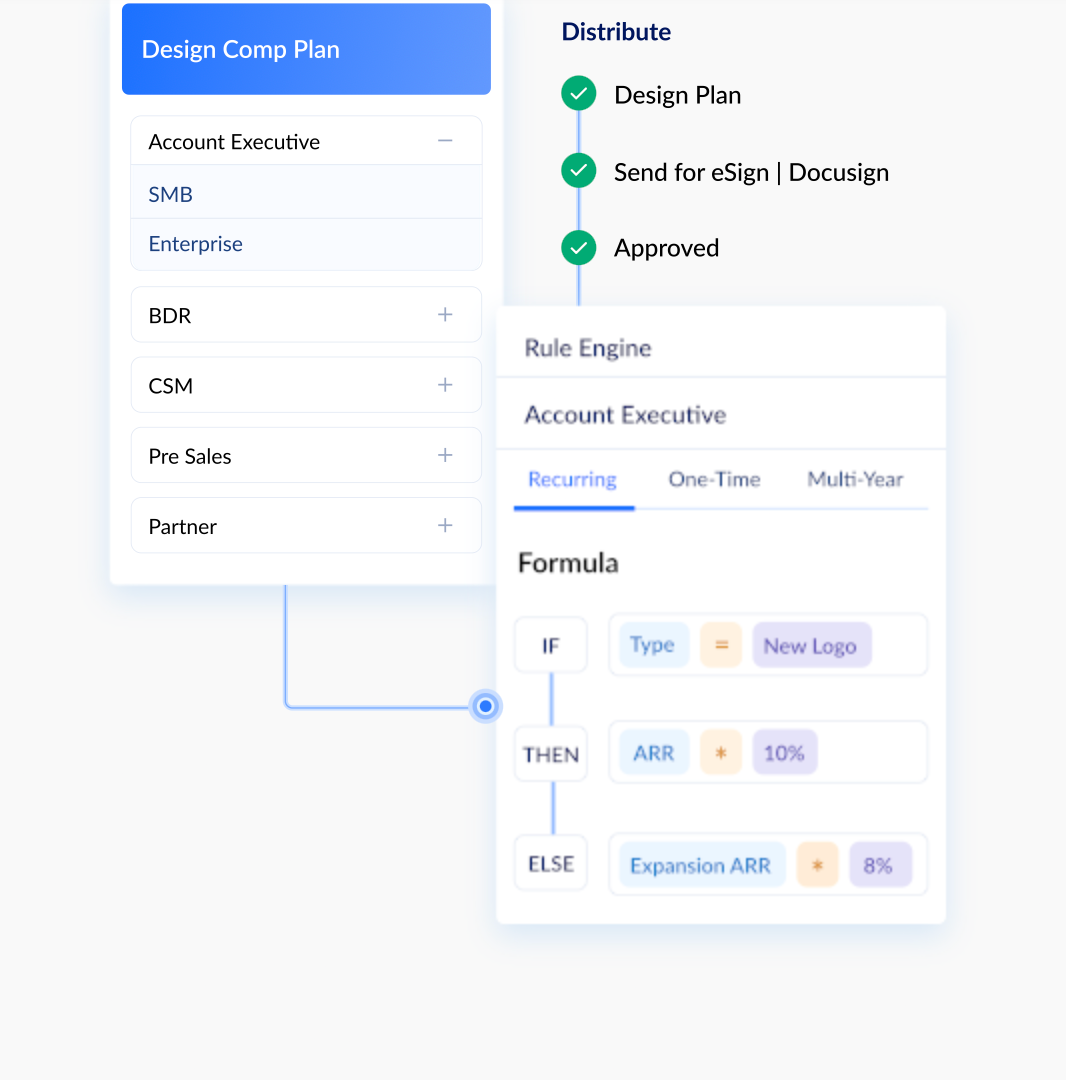
Best for: SaaS teams with complex commission logic
Visdum is strong where many incentive programs break down: commission complexity. It handles tiered commissions, accelerators, clawbacks, and role-based plans without forcing teams back into spreadsheets.
Where Visdum stands out
Where it falls short
Visdum is a solid choice when commission accuracy and finance confidence are the top priorities.

Best for: Finance-led incentive operations
CaptivateIQ feels familiar to teams coming from spreadsheets, which is both its strength and its weakness.
Where CaptivateIQ stands out
Where it falls short
CaptivateIQ works well when Finance owns incentives and precision matters more than speed or behavioral nuance.
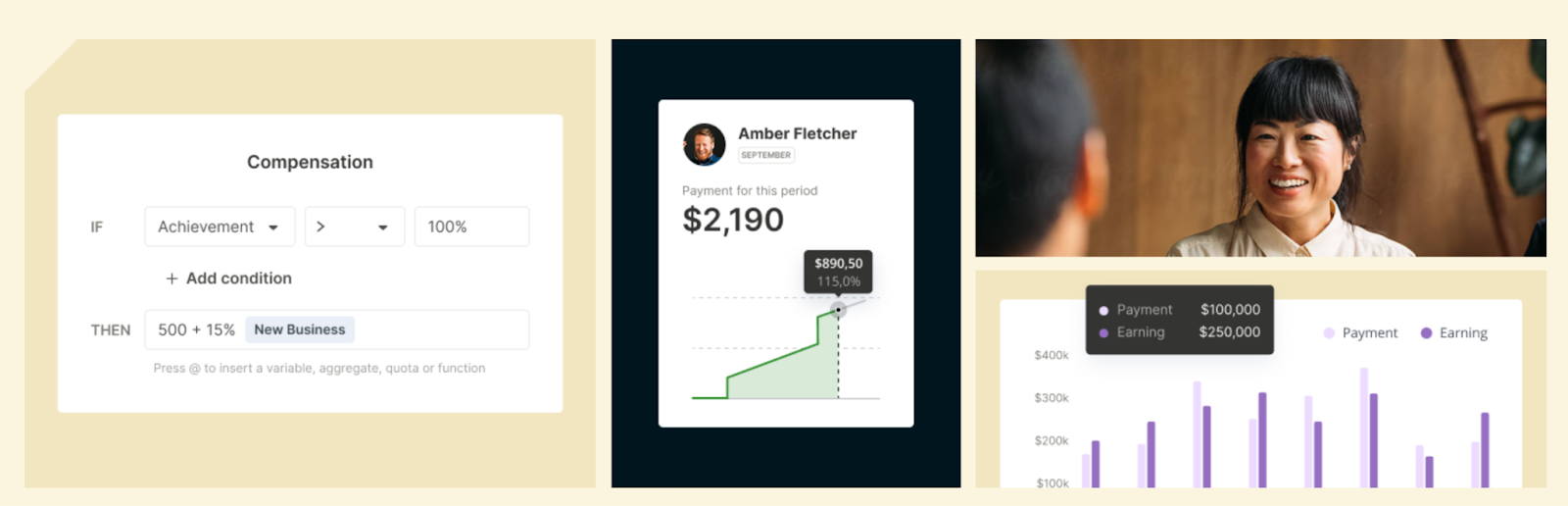
Best for: Real-time incentive visibility
Qobra is built around transparency. Reps can see what they are earning as they sell, which reduces disputes and improves motivation.
Where Qobra stands out
Where it falls short
Qobra is a strong option for teams that value visibility and trust but do not need deep behavioral analysis.
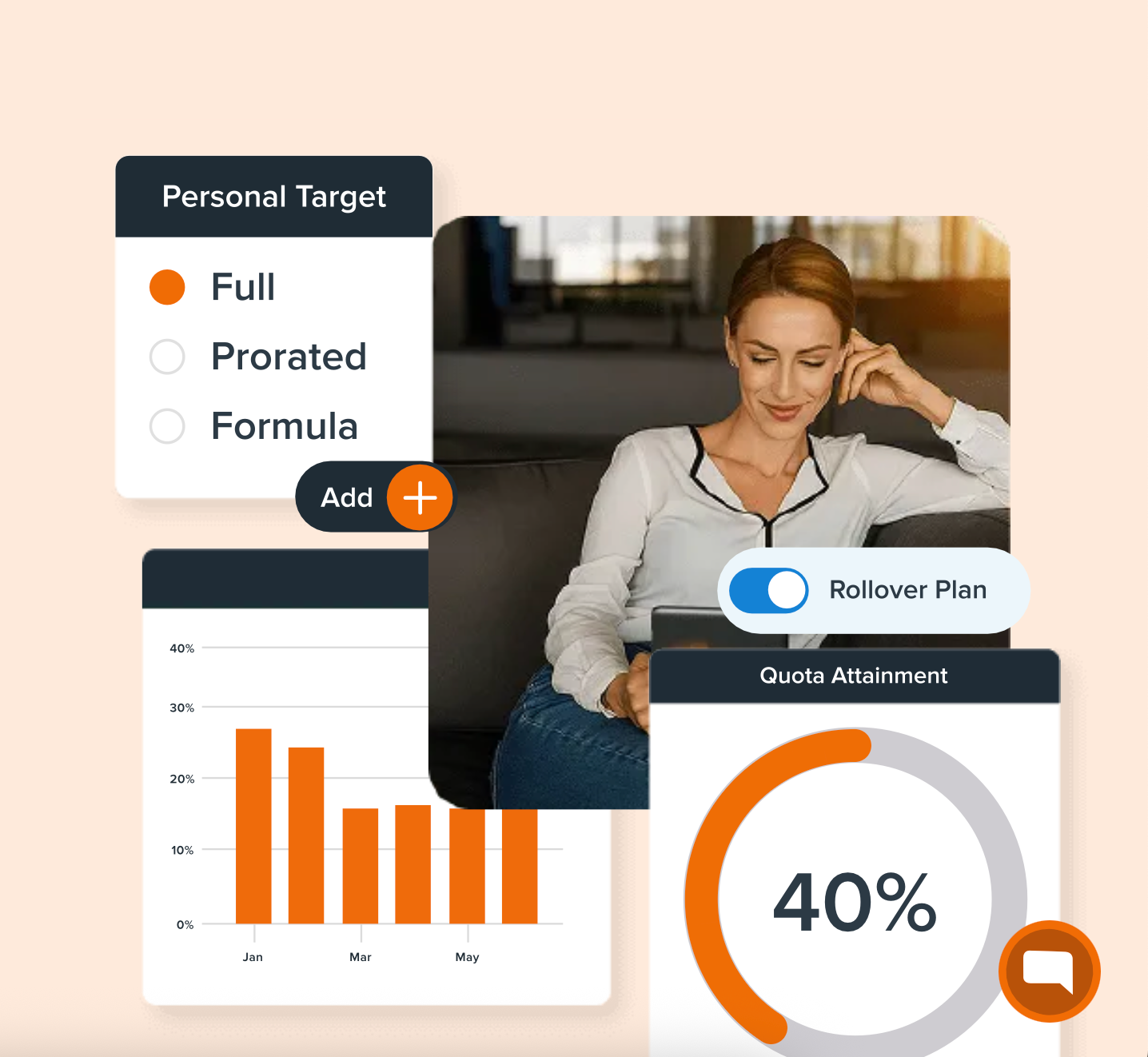
Best for: Enterprise incentive governance
Xactly Incent is designed for scale, compliance, and control. It is a heavyweight platform built for large, complex sales organizations.
Where Xactly stands out
Where it falls short
Xactly Incent fits enterprises that prioritize governance over speed or experimentation.
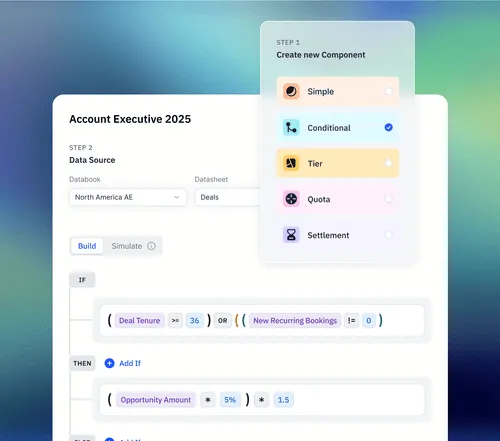
Best for: SMBs and first-time incentive software buyers
Everstage lowers the barrier to entry for teams moving off spreadsheets for the first time.
Where Everstage stands out
Where it falls short
Everstage is ideal for smaller teams that want structure quickly without heavy admin overhead.
Each of these platforms can handle payouts. The real differentiation comes from how well they support trust, flexibility, and the behaviors your sales team needs to repeat to win.
The table below compares the best sales incentive software based on how well each platform supports flexibility, visibility, and scale. This is where differences between payout engines and true sales incentive management software become obvious.

Most platforms excel at calculating and distributing incentives. Very few natively support behavioral incentives tied to how deals are won. That gap is exactly where intelligence layers like Sybill add leverage on top of existing sales incentive management software.
At a high level, sales incentive management software follows a predictable workflow. What makes one platform better than another is how cleanly and transparently it executes each step.
Everything starts with data. Incentive platforms pull deal, revenue, and customer information from CRMs and billing systems.
This typically includes:
If the source data is wrong or late, incentives break immediately. That is why reliable integrations matter.
Once data is ingested, the system applies crediting logic.
Crediting rules determine:
Hierarchies ensure the right people are rewarded even as teams evolve mid-quarter.
Next comes the math most reps care about.
Incentive platforms calculate payouts using:
These rules often change over time, which is why flexibility matters.
Sales rarely follows a clean timeline. Deals get amended. Credits get reassigned. Plans change.
Strong sales incentive management software supports:
Without this, disputes become inevitable.
Before payouts are finalized, most platforms route incentives through approvals.
Audit trails track:
This protects Finance, builds rep trust, and keeps incentive programs defensible as they scale.
When done right, automated incentive platforms remove guesswork. Everyone sees the same numbers, understands how they were earned, and trusts the system enough to focus on selling.
Most modern incentive programs start in the CRM. That makes sense. Deals, owners, stages, and revenue already live there. But the best tools for managing sales incentive programs go further than a simple CRM sync.
Here is a clear, high-level flow that actually works.
Start by deciding which CRM fields will drive incentives.
Common inputs include:
Clean data matters more than perfect data. If reps do not trust the CRM, incentives will suffer.
Next, translate strategy into rules.
This includes:
This is where alignment between Sales, Finance, and RevOps is critical.
Never launch an incentive plan without testing it.
The best tools for managing sales incentive programs allow you to:
Testing protects both margins and morale.
Once live, reps need immediate clarity.
That means:
Visibility is what prevents shadow accounting.
Disputes are inevitable. Chaos is optional.
Strong incentive programs include:
CRMs capture outcomes, not behaviors. They tell you what closed, not how it closed.
For behavior-based incentives like discovery quality, follow-up consistency, or multi-threading, CRM fields fall short. To truly evolve incentive programs, CRM data must be paired with real sales activity from calls, meetings, and buyer interactions. That is where intelligence layers like Sybill become essential.
There is no universally perfect incentive platform. The right choice depends on team size, operating model, and how much flexibility your incentive strategy actually needs.
Smaller teams and early-stage companies usually need speed and simplicity.
They benefit most from:
Tools like Everstage work well when incentives are relatively static and Finance resources are limited.
Mid-market teams sit in the hardest zone. Complexity increases quickly, but headcount does not.
These teams need:
Platforms like Visdum, Qobra, or CaptivateIQ are often a good fit, depending on whether Finance or RevOps owns incentives.
Enterprises prioritize control, compliance, and scale.
They typically need:
Xactly Incent fits this profile, especially when incentives are tightly governed and change less frequently.
Finance-led teams gravitate toward precision, modeling, and auditability. Sales-led teams prioritize speed, clarity, and motivation.
The more Finance-led your organization is, the more structured and outcome-focused your incentive software will be.
If your incentive plans rarely change, traditional payout-focused platforms are often enough.
If your go-to-market motion evolves frequently, you need flexibility and scenario modeling to avoid constant rework.
If your incentive strategy aims to reward how deals are won, not just that they are won, you need more than a payout engine.
That is when layering intelligence platforms like Sybill on top of existing incentive software becomes essential. It allows incentive programs to evolve from transactional payouts into tools that shape real selling behavior.
Sales incentives are one of the strongest levers in any sales organization. When they work, they sharpen focus, reinforce good habits, and push teams toward better outcomes. When they fail, they create confusion, disputes, and quiet disengagement.
The best sales incentive software does not just calculate payouts. It reinforces the behaviors that lead to wins. It makes expectations clear, progress visible, and rewards predictable. Most importantly, it aligns Sales, Finance, and leadership around a shared definition of performance.
The future of incentives is not outcomes versus behavior. It is outcomes plus behavior. Closed deals still matter, but so do discovery quality, follow-up discipline, stakeholder coverage, and objection handling. Incentive programs that ignore these signals will always lag behind reality.
That is why modern teams are stacking incentive platforms with intelligence layers like Sybill. Incentive software handles the math. Sybill connects real sales conversations, rep behaviors, and deal momentum to what gets rewarded.
If you want incentives that actually change how your team sells, not just how they get paid, it is time to rethink how your incentive stack is built.
The best tools for managing sales incentive programs combine automated calculations, flexible incentive structures, strong integrations, and clear rep visibility. Based on the platforms reviewed in this guide: Visdum and CaptivateIQ offer deep commission logic and modeling for SaaS and finance-led teams. Qobra stands out for real-time incentive visibility and approval workflows. Xactly Incent is built for enterprise-scale governance, compliance, and benchmarking. Everstage works well for SMBs and first-time buyers who need simplicity and fast setup. All five manage payouts effectively. The real difference lies in flexibility, admin overhead, and how easily each platform adapts as incentive strategies evolve.
Commission software focuses narrowly on calculating and paying commissions. It answers one question: how much should each rep be paid for closed deals. Sales incentive software is broader. It manages commissions, bonuses, SPIFFs, accelerators, adjustments, and reporting in one system. More importantly, it supports incentive strategy, transparency, and trust. While commission tools handle payouts, incentive software shapes how performance is rewarded across the sales motion.
Yes. Most modern incentive platforms integrate with CRMs like Salesforce and HubSpot to ingest deal and revenue data. However, CRM data alone captures outcomes, not behaviors. To support behavior-based incentives, sales incentive software must connect to call and meeting intelligence tools. This is where platforms like Sybill add value. Sybill analyzes real sales conversations, follow-ups, and buyer engagement, then syncs those insights into incentive workflows using integrations like Make or Zapier. The result is incentive programs that reward how deals are won, not just that they are won.