Find us at booth #83, join us for a harbor side happy hour, or catch Gorish’s talk.

Sept, 16-18 > Learn more


Tamanna Mishra

May 6, 2026
.png)
Generative AI sales tools are everywhere, but most only scratch the surface. They generate content, automate outreach, and surface insights. What they don’t do is move deals forward. The real winners in 2026 are tools that combine intelligence with execution, automating follow-ups, updating CRM, and guiding reps in real time. This guide breaks down 5 tools that actually matter, and more importantly, how to choose one that doesn’t just save time but drives revenue.
There is a very specific moment every sales rep knows.
The call ends. It went well. The prospect seemed interested. There were signals. There was momentum.
And then… nothing happens.
The notes are half-written. The follow-up email is delayed. CRM is “updated later.”
By the time everything catches up, the deal has already cooled off.
Despite significant investment in generative AI tools for sales, most you’ve added to your stack don’t fix this. They just make parts of it slightly easier.
They’ll help you:
But they stop right before the one thing that matters. Execution.
Modern AI tools can absolutely reduce research time, surface intent signals, and automate outreach at scale . But the real shift happening in 2026 is deeper than that. AI is no longer a “productivity add-on.” It is becoming the layer that actually runs revenue workflows .
And that changes how you should evaluate every tool in your stack.
Because if your AI is not helping you move deals forward, it is just helping you stay busy.
At a surface level, generative AI sales tools are easy to define. They use large language models and machine learning to generate content, analyze interactions, and automate parts of the sales workflow.
That definition is technically correct. It is also completely insufficient.
The reason most teams struggle with these tools is because they evaluate them based on what they produce, not what they enable.
There is a big difference.
Early automation tools were designed to reduce effort. They triggered workflows, logged activities, and helped teams scale repetitive tasks. Generative AI tools go further. They interpret context, generate outputs dynamically, and adapt based on customer behavior.
In theory, this should make sales dramatically more efficient. In practice, it often creates a different problem.
Too many outputs. Not enough outcomes.
.png)
If you strip away the marketing language, five use cases define whether a generative AI tool is worth your time:
Most tools do one or two of these reasonably well. Very few connect them.
And that is where things break.
Instead of solving for workflow, teams stack tools.
One for email generation. One for call summaries. One for CRM. One for forecasting.
Individually, each tool looks impressive. Together, they create fragmentation.
Reps end up switching between systems, duplicating effort, and ultimately ignoring half the stack.
The irony is hard to miss.
You bought AI to save time. You ended up managing more tools.
Sales has fundamentally changed over the last few years. Buying cycles are longer, stakeholders are more involved, and expectations around personalization are higher than ever.
At the same time, teams are being asked to do more with less.
That gap cannot be closed manually.
This is why generative AI has shifted from “nice to have” to “non-negotiable.” It is no longer about experimentation. It is about operational necessity.
Organizations that treat AI as a strategic capability, not just a productivity shortcut, are the ones seeing real impact. And that impact shows up in very specific ways.
Deals move faster because follow-ups are immediate.
Pipelines are healthier because risks are surfaced earlier.
Reps spend more time selling because admin work disappears.
This is the promise. But again, it only works if the tool is embedded into how your team actually operates. Not sitting on the side as another dashboard.
There are dozens of tools in this category. Most fall into predictable buckets, prospecting, engagement, content, analytics.
This list is different. We are looking at tools based on one simple question:
Do they help you close deals, or just do more work faster?
.png)
Most AI tools are designed to assist. Sybill is designed to help you make better decisions and take better action.
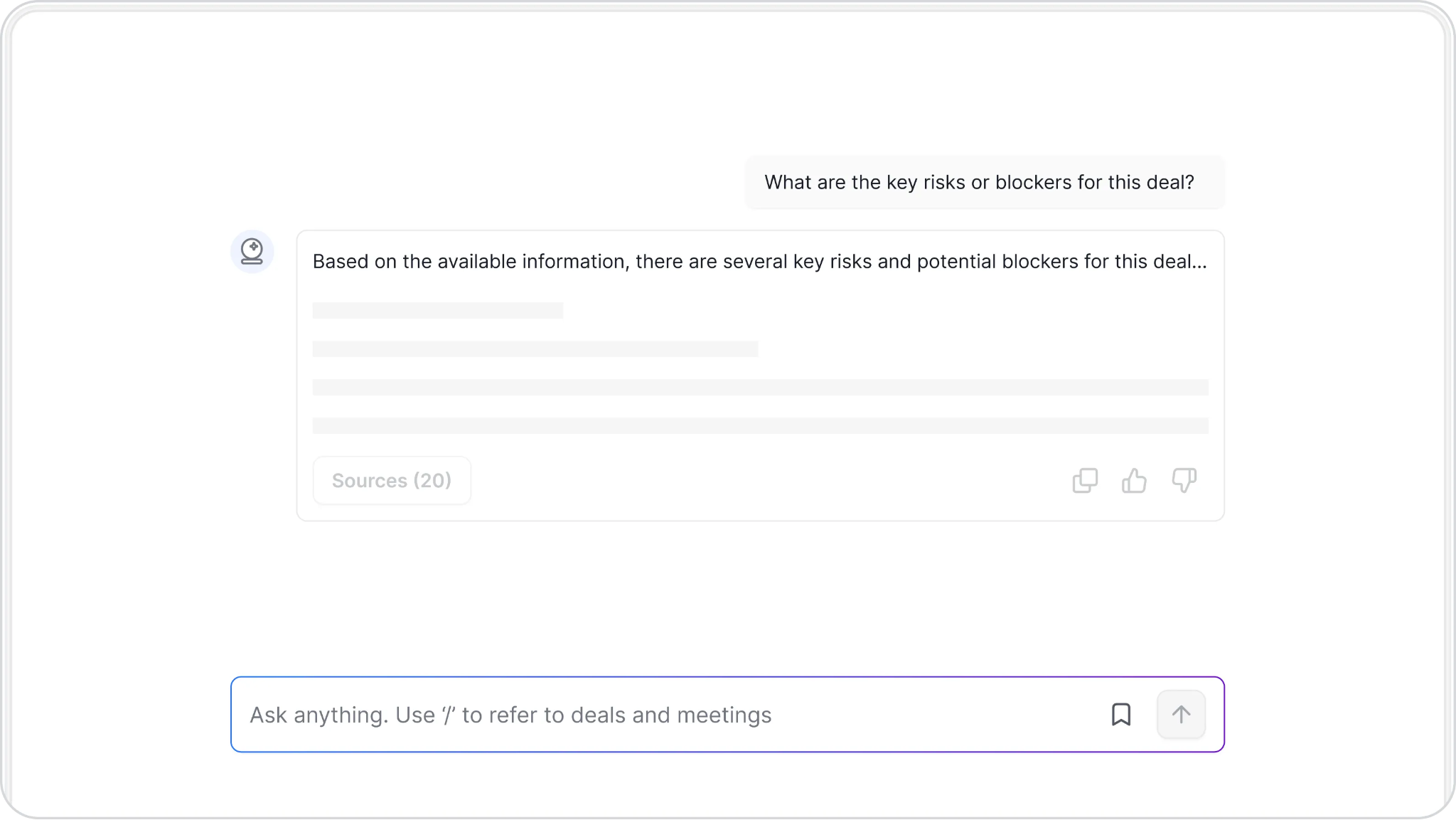
Sybill doesn’t just tell you what happened in a call. It captures the conversation, understands the context, and then carries that context forward into the rest of your workflow.
You finish a call, and instead of starting your post-call routine, notes, CRM updates, follow-ups, the system has already done it.
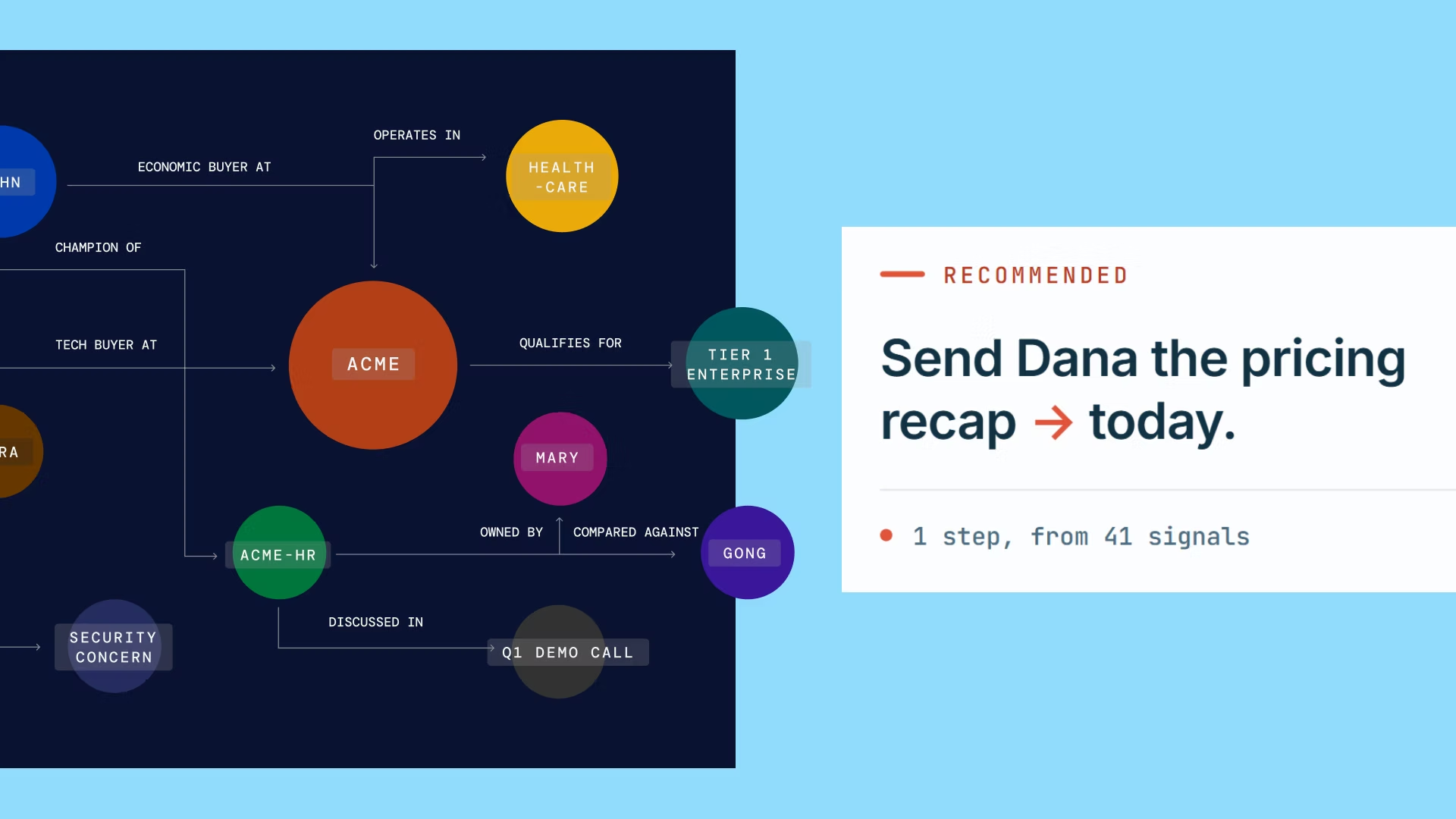
Ask Sybill lets you interrogate deals in plain language. Magic Summary captures not just what was said, but what mattered. CRM Autofill ensures that data is consistently updated without relying on rep discipline. Personalized Emails generate follow-ups that actually reflect the conversation, not a generic template. AI Tasks turn loose ends into structured next steps.
What makes this powerful is not any single feature. It is the continuity between them. The insight doesn’t die in a summary. It becomes action.
That is where most tools fall short, and where Sybill creates disproportionate value.
Teams that are already drowning in tools but still struggling with execution will feel the impact immediately. It is particularly effective for reps who spend more time managing workflows than actually selling.
It is not a prospecting database. It is not trying to be your entire GTM stack. It works best as the execution layer on top of your existing systems.

Salesforce has always been the system of record. Einstein GPT is an attempt to make it the system of action.

By embedding generative AI directly into CRM workflows, Salesforce reduces the gap between data and decision-making. Lead scoring becomes predictive rather than reactive. Deal insights are surfaced in context. Next steps are suggested based on actual pipeline behavior.
For teams already deep in the Salesforce ecosystem, this creates a powerful advantage. There is no need to export data, switch tools, or manually connect insights.
Everything happens where the work already lives.
The trade-off, of course, is dependency. The deeper you go, the harder it becomes to operate outside that ecosystem.
Sales teams underestimate how much of their time is spent creating content. Emails, proposals, decks, follow-ups, it adds up quickly. Jasper solves that problem at scale.
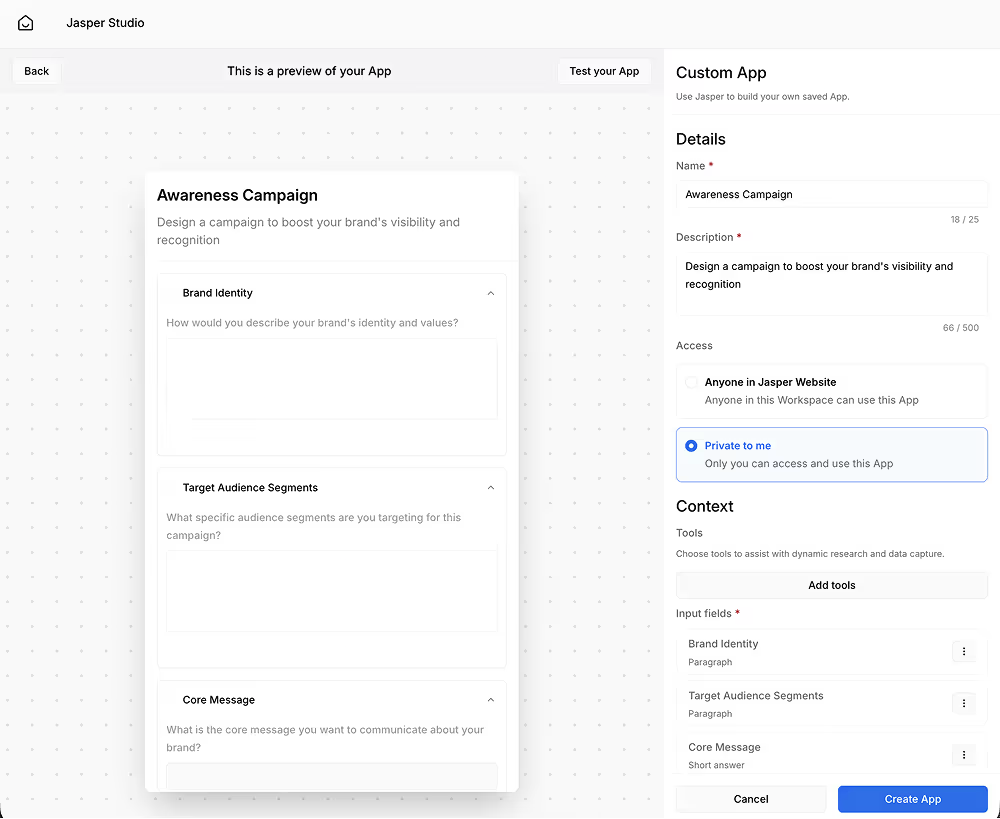
It allows teams to generate high-quality, on-brand content across multiple touchpoints without starting from scratch every time. This is particularly valuable in outbound environments where personalization and volume need to coexist.
However, Jasper operates firmly in the “creation” layer. It helps you produce better inputs, but it does not manage what happens after those inputs are sent.
That limitation is important to understand.
ChatGPT has become the default thinking partner for many sales teams. It is used to draft emails, summarize research, role-play objections, and even structure deal strategies. Its strength lies in its flexibility. It can adapt to almost any task you throw at it.
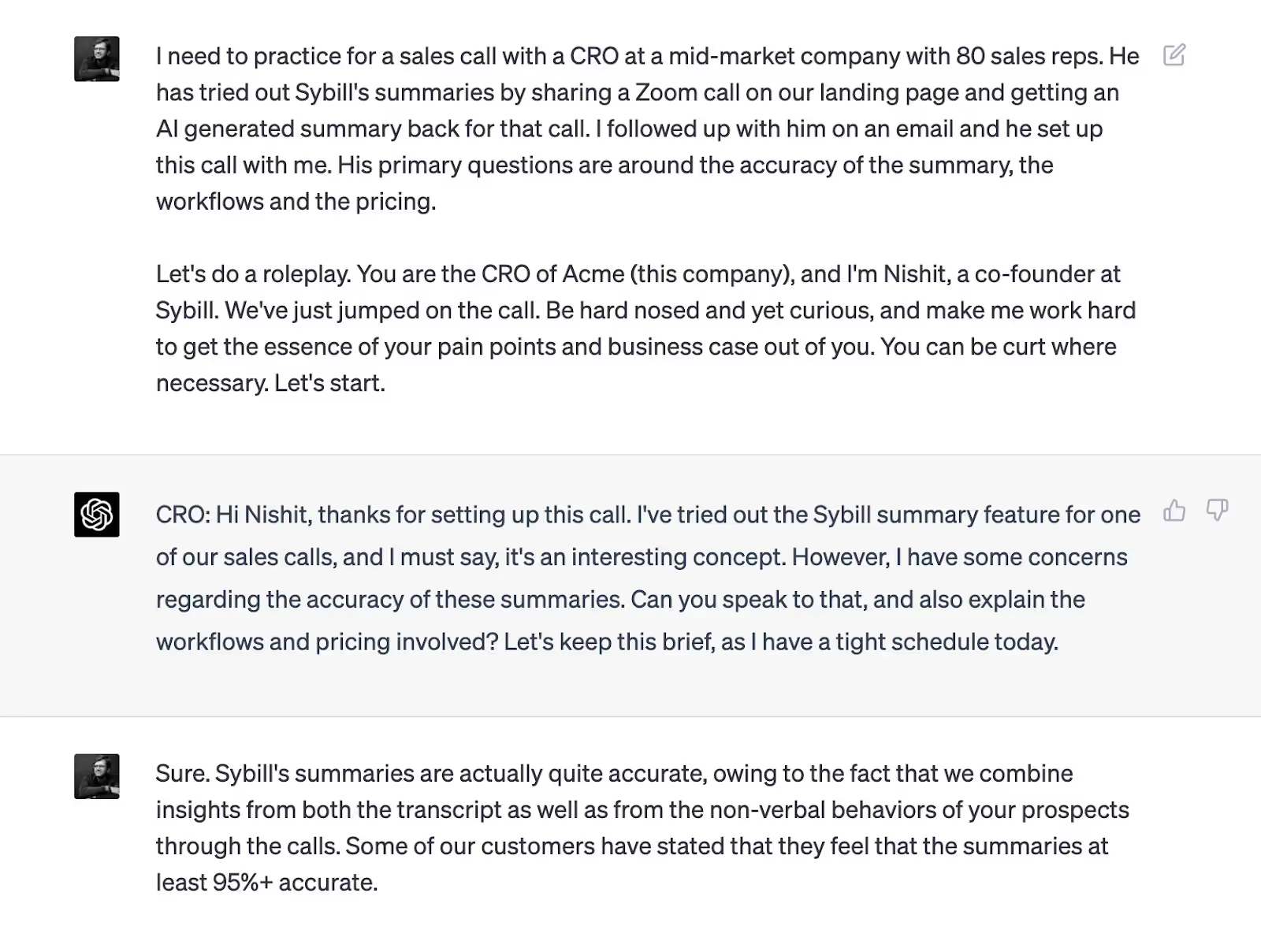
It also reduces the cognitive load of selling. Instead of manually processing large amounts of information, reps can quickly move from data to insight.
But flexibility comes with a cost.
ChatGPT is not opinionated about your workflow. It does not integrate deeply into your systems by default. It requires human orchestration to turn outputs into actions.
In other words, it is powerful, but it is not self-operating.
Also read:
HubSpot has always been strong on usability, and its AI capabilities follow the same philosophy.
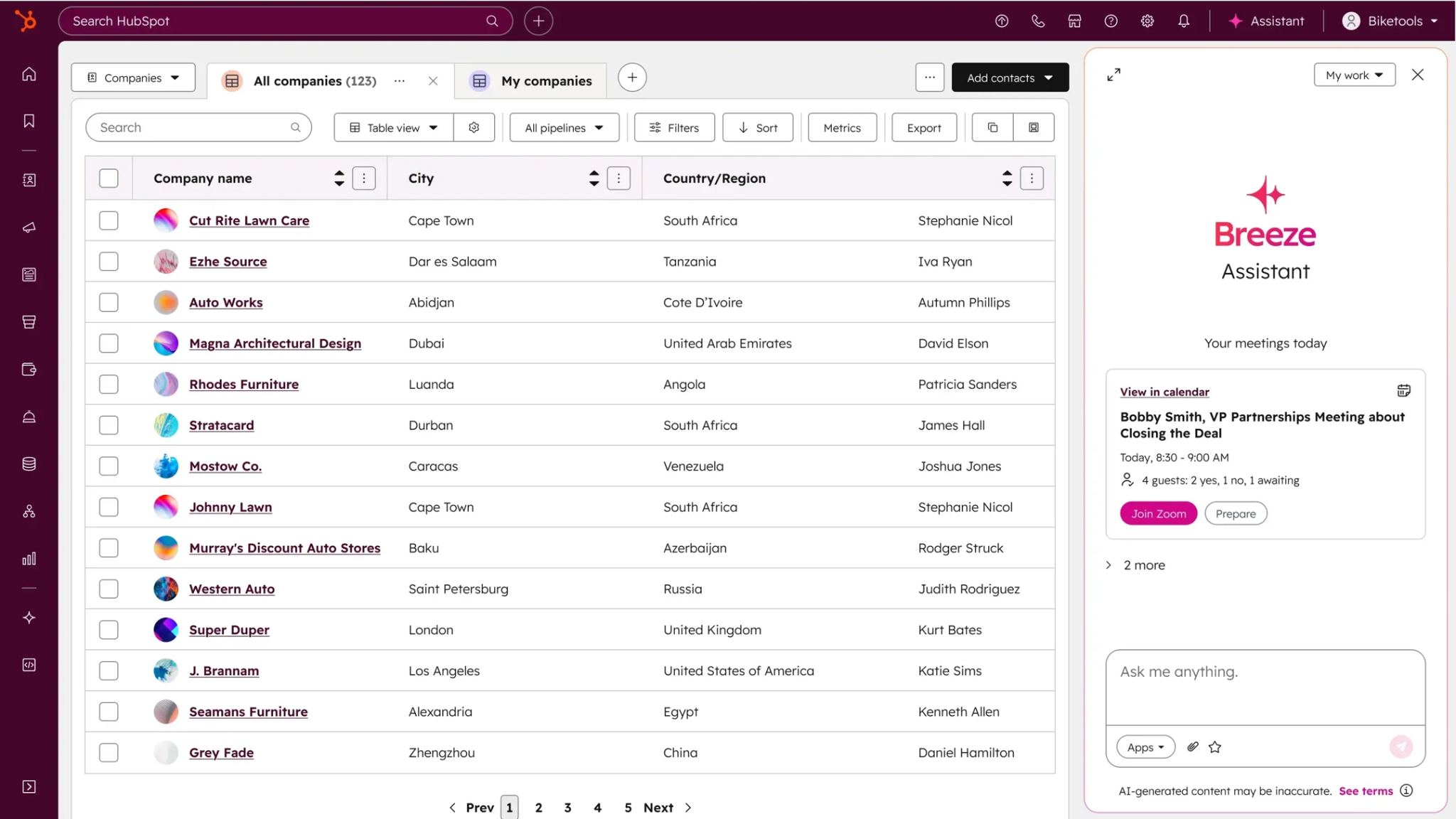
By embedding AI into its CRM and engagement tools, HubSpot enables smaller teams to access capabilities that would otherwise require multiple systems. Email generation, pipeline tracking, and basic automation are all handled within a single interface.
For SMB teams, this simplicity is a major advantage. There is less setup, less integration overhead, and faster time to value.
The limitation shows up at scale. As workflows become more complex, the depth of customization and intelligence can fall short compared to more specialized tools.
Most teams get this wrong because they start with features.
“Does it generate emails?”
“Does it summarize calls?”
That thinking leads to bloated stacks and low adoption. The smarter approach is to start with your workflow.
.png)
Where does your pipeline actually slow down?
Don’t try to fix everything. Solve the highest-friction problem first.
A great demo means nothing if the tool disrupts your workflow.
Ask:
If reps have to “remember” to use it, they won’t.
Every tool claims CRM integration. Very few do it well.
What you actually need:
If reps still need to manually update or move data, the tool is adding hidden work.
This is the biggest mistake teams make.
Insights don’t close deals. Actions do.
A summary is useful. A summary that triggers follow-ups, updates CRM, and sets next steps is valuable.
The closer a tool gets to execution, the higher its impact.
Evaluate every tool on two outcomes:
Saving time without better outcomes creates complacency.
Better outcomes without time savings create burnout.
You need both.
More tools don’t mean better performance.
They usually mean:
The goal is simple: fewer tools, tighter workflows.
We are moving toward a world where AI is not a feature. It is the operating layer.
Instead of tools that generate outputs, we are seeing systems that:
The shift is subtle but significant.
From assistance to execution. From insight to action.
And the teams that adopt this mindset early will not just move faster. They will fundamentally operate differently.
There is a temptation to chase the most advanced AI. The most features. The most capabilities.
But that is rarely what drives results.
The best generative AI sales tool is the one that integrates cleanly into your workflow, reduces friction, and actually gets used by your team.
Because at the end of the day, sales has not changed at its core. Deals still move based on timing, relevance, and execution. AI just determines how well you manage those three.
If you are looking for a tool that doesn’t just generate insights but actually executes your sales workflow, Sybill is built for exactly that.
Instead of adding another tool to your stack, it connects the dots between what happened and what needs to happen next.
If your goal is simple, spend less time managing sales work and more time closing deals, Sybill is worth a closer look.
Generative AI sales tools use artificial intelligence to create content, analyze interactions, and automate workflows across the sales process, helping teams improve efficiency and decision-making.
They reduce manual tasks, enable personalization at scale, and provide real-time insights that help sales teams prioritize opportunities and move deals forward faster.
The best tool depends on your needs, but platforms that combine insight with execution, such as Sybill, are increasingly delivering the most impact.
No. They enhance sales performance by handling repetitive tasks and surfacing insights, allowing reps to focus on relationship-building and closing deals.
Identify your biggest workflow bottleneck, evaluate integration capabilities, and choose a tool that improves both efficiency and deal outcomes.
Generative AI sales tools use artificial intelligence to create content, analyze interactions, and automate workflows across the sales process, helping teams improve efficiency and decision-making.
They reduce manual tasks, enable personalization at scale, and provide real-time insights that help sales teams prioritize opportunities and move deals forward faster.
The best tool depends on your needs, but platforms that combine insight with execution, such as Sybill, are increasingly delivering the most impact.