Find us at booth #83, join us for a harbor side happy hour, or catch Gorish’s talk.

Sept, 16-18 > Learn more

%20(1).avif)
Mamta Tainwala

February 14, 2026
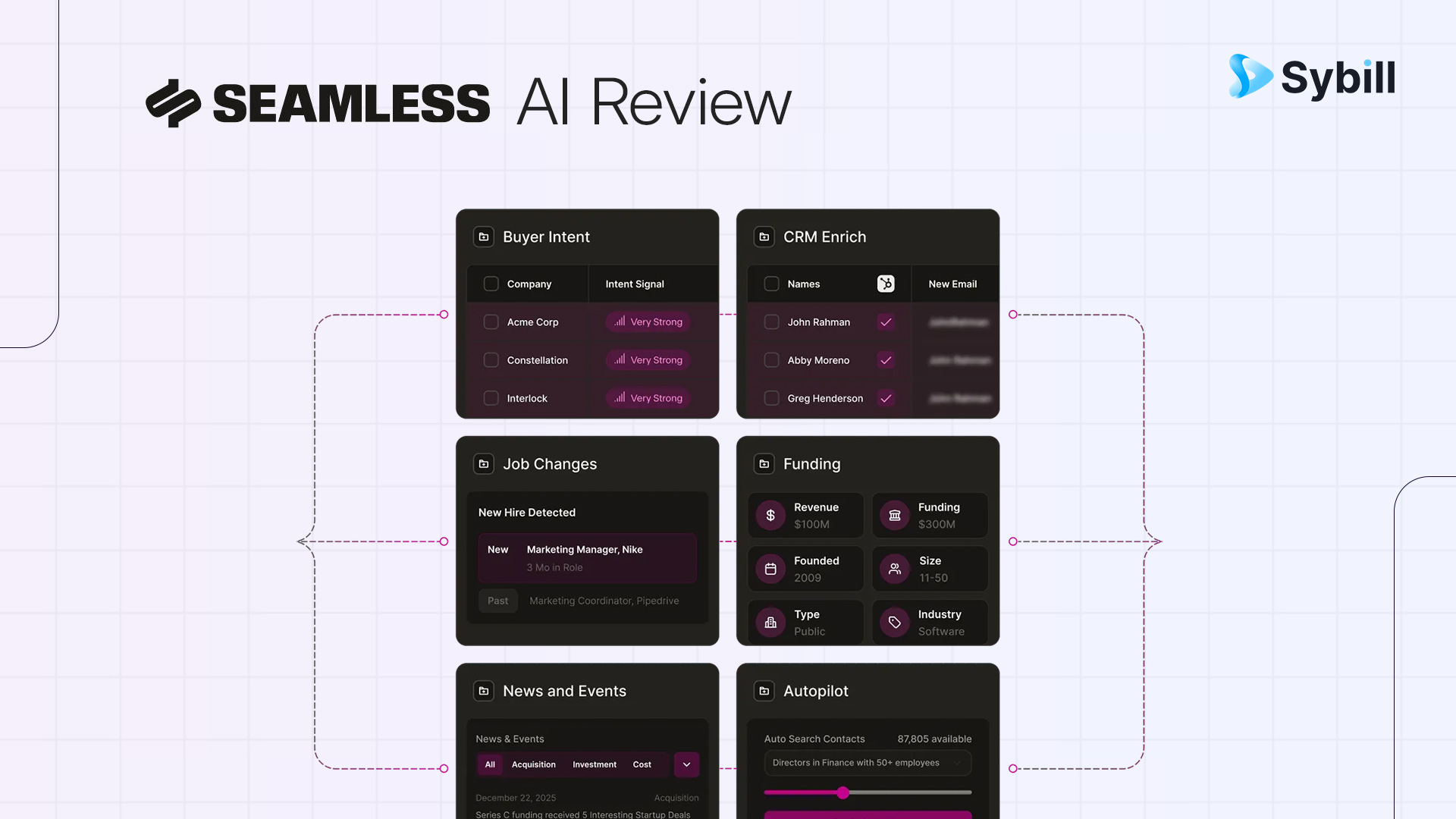
TL;DR: Seamless AI is a lead generation platform that helps sales teams find contact data fast. It works well for building outbound lists, especially through LinkedIn. But recurring complaints about data accuracy, opaque pricing, billing surprises, and limited automation mean it's best suited as a starting point for prospecting, not a complete sales solution. And once you have the leads, you still need tools to actually close them. That's where the real work (and the real opportunity) begins.
You know that scene in Jerry Maguire where Tom Cruise bursts into the office shouting "Who's coming with me?" and walks out with exactly one person and a goldfish? That's kind of what it feels like when you sign up for a lead generation tool expecting a flood of qualified prospects, and instead get a list of email addresses where a third of them bounce.
Seamless AI has been one of the more talked-about prospecting tools in the sales tech world, with over 500,000 users and clients that include some big names. It promises real-time contact data, AI-powered enrichment, and the ability to build targeted outbound lists in minutes. And for what it's designed to do (find contact info quickly), it does have legitimate strengths.
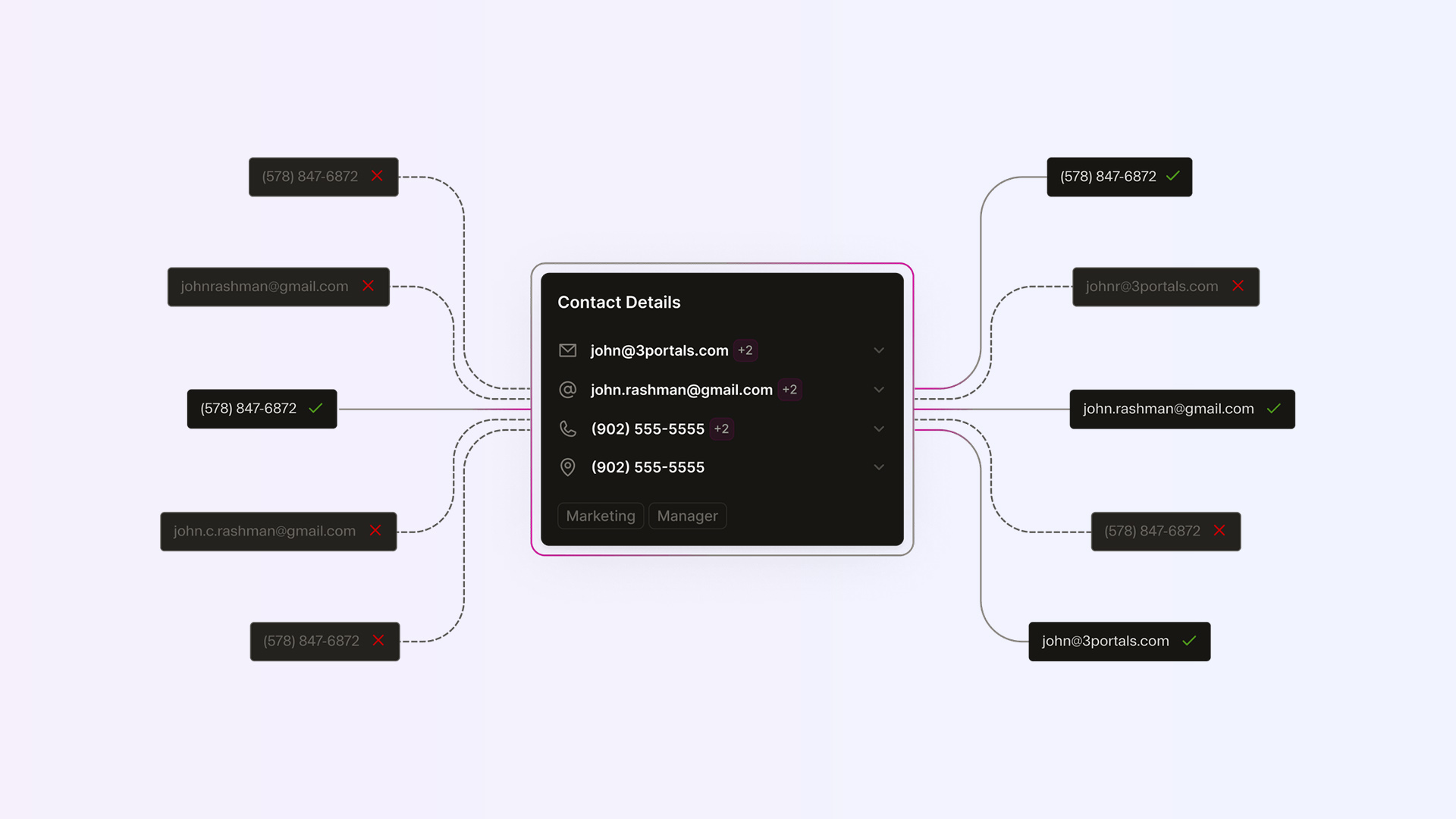
But the user reviews tell a more complicated story. Data accuracy inconsistencies, aggressive billing practices, and a gap between marketing promises and day-to-day reality have made Seamless AI a polarizing tool among sales teams.
Let's dig into what it actually does well, where it falls short, and what smart sales teams should think about for the steps that come after prospecting.
Seamless AI is a lead generation and sales intelligence platform built for outbound sales teams. Its primary function is helping reps find verified email addresses, phone numbers, and company details for potential buyers. You search by job title, industry, company size, location, and other filters, and Seamless returns contact data pulled from public sources and data vendors.
The tool is most commonly used alongside LinkedIn. The Seamless AI Chrome extension lets you pull contact details directly from LinkedIn profiles and company pages, then push those leads into your CRM or outreach tool.
At its core, Seamless AI solves a specific problem: "I need to find the right people to contact." It does not manage your pipeline, automate your outreach sequences, write your follow-up emails, or tell you what happened on a sales call. It's a top-of-funnel tool, and understanding that scope is important before evaluating it.
Let's give credit where it's due. Seamless AI has real strengths, especially for teams that are just getting their outbound motion started.
Speed of lead sourcing. You can build a list of 100+ contacts in minutes. For SDR teams running high-volume outbound, that speed is genuinely valuable. The search filters (job title, industry, location, company size, revenue) let you narrow your target list quickly.
LinkedIn workflow. The Chrome extension is the tool's best feature. Browsing LinkedIn profiles, clicking the extension, and getting contact details instantly is a smooth workflow that saves significant time compared to manual research. For reps who live in LinkedIn Sales Navigator, this integration is the primary value driver.
CRM push. On paid plans, Seamless AI connects to Salesforce and HubSpot, letting you push leads directly into your CRM. It's a basic sync (not intelligent automation), but it saves the manual copy-paste step that slows down most prospecting workflows.
Affordable entry point. Compared to enterprise-grade data providers like ZoomInfo, Seamless AI's pricing is more accessible for smaller teams and individual reps testing outbound for the first time.
Here's where the story gets more complicated. These aren't edge cases. They're the most common themes across user reviews on G2, Capterra, Trustpilot, and Reddit.
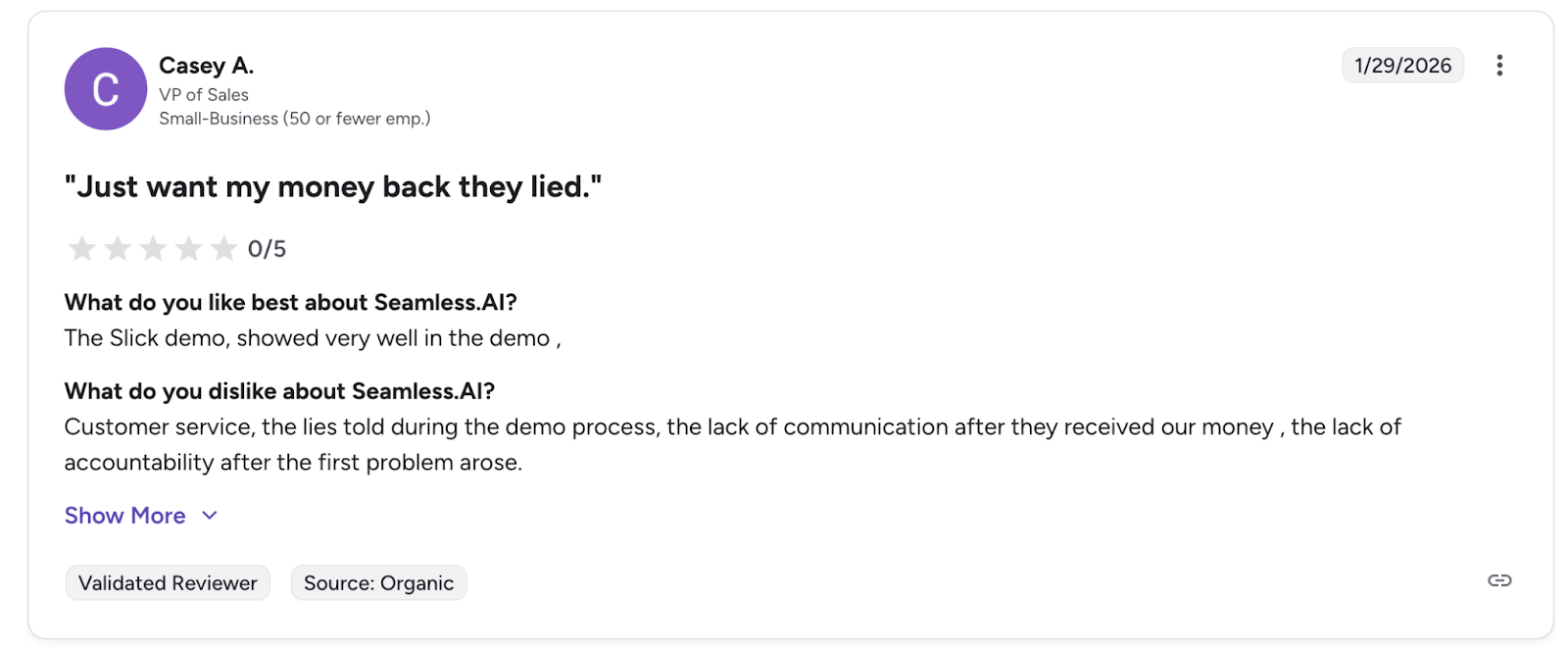
This is the number one complaint. Seamless AI markets a "98% accuracy rate," but real-world user experiences paint a different picture. Users consistently report email bounce rates of 20-30%, outdated job titles, wrong phone numbers, and stale firmographic data (like listing a 12-person company as having 51 to 200 employees).
For sales teams, inaccurate contact data doesn't just waste time. It damages sender reputation, burns through email deliverability, and creates a terrible first impression. Every bounced email is a small hit to your domain's trustworthiness with email providers.
The accuracy seems to be better for large, well-known companies and worse for mid-market and smaller organizations where data coverage is less comprehensive. If your ICP skews toward SMBs or niche industries, this is worth factoring heavily into your evaluation.
Seamless AI offers three plans: Free (50 credits/month), Pro, and Enterprise. But only the Free plan has published pricing. For Pro and Enterprise, you need to talk to sales, and multiple users report inconsistent quotes and aggressive upselling during those conversations.
The credit-based model is where frustration compounds. Each contact reveal costs one credit. Users report burning through credits faster than expected, then facing surprise charges for top-ups. One Reddit user reported paying $79/month for Pro with 1,000 credits, then spending an additional $49 to $98 monthly on extra credit packs, pushing the real cost well above the advertised price.
Based on various user reports, Pro pricing appears to land around $147 to $299/user/month depending on team size and negotiation. Enterprise plans with unlimited users start even higher.
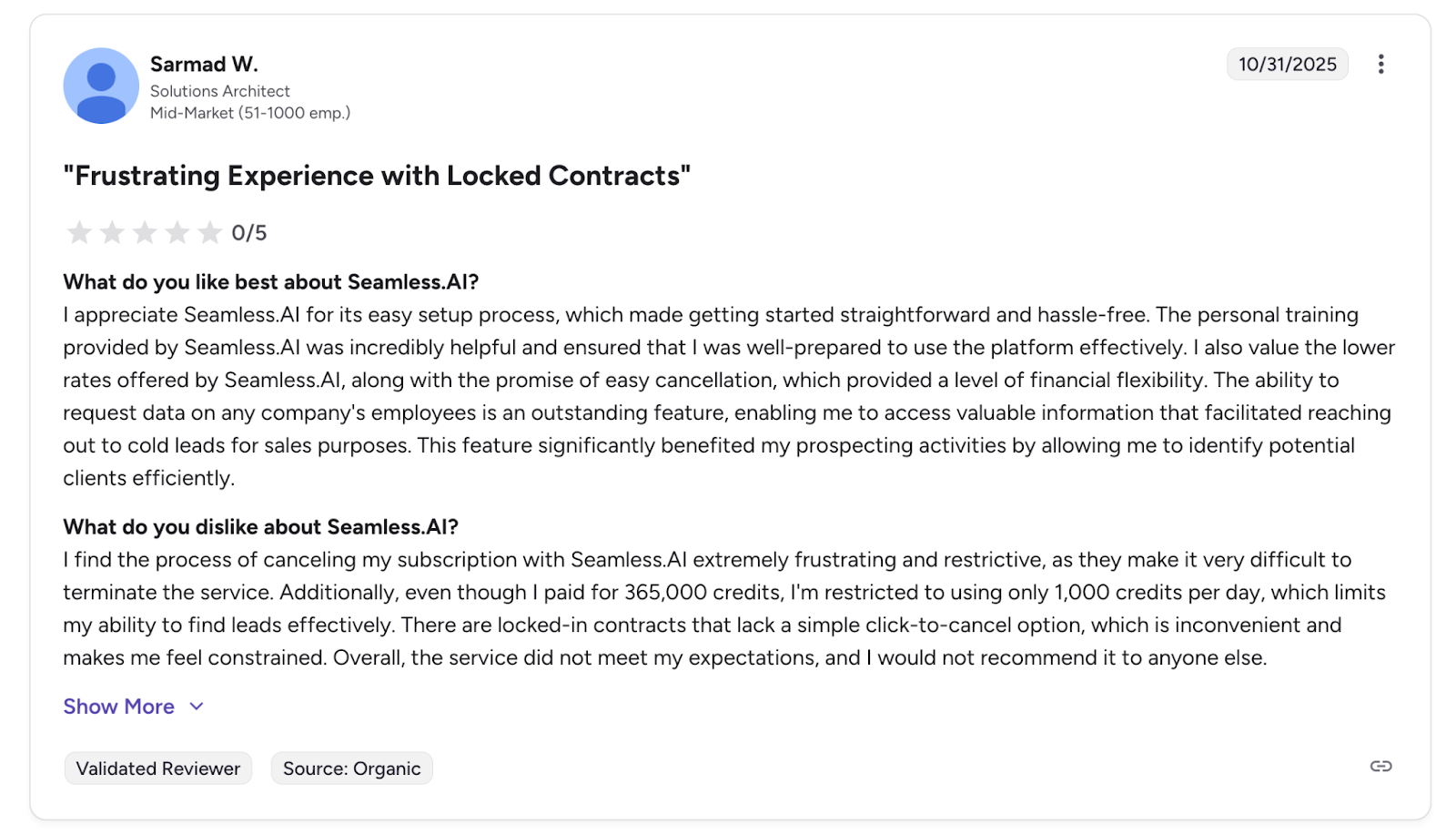
This is the most damaging pattern in Seamless AI's reviews. Across Trustpilot and G2, users consistently report auto-renewal charges without clear notification, difficulty canceling subscriptions, being charged after requesting cancellation, and contracts that are hard to exit.
When a product's most negative reviews aren't about the product's functionality but about how hard it is to stop paying for it, that's a red flag worth taking seriously.
Seamless AI finds contacts. That's it. It doesn't automate outreach sequences, score leads based on intent, qualify prospects, or manage pipeline activity. Once you export a list, you're on your own for everything that comes next.
For modern sales teams that expect their tools to move work forward (not just generate static lists), this gap is significant. You'll inevitably need additional tools for email sequencing, meeting scheduling, call recording, CRM management, and deal intelligence.
Important caveats: unused credits reportedly roll over (a nice touch), but additional credit packs ($49 for 500 credits) add up quickly for high-volume teams. Always clarify the total cost, including credit limits and overage charges, before signing a contract.
Seamless AI makes sense if:
Think twice about Seamless AI if:
For teams evaluating their broader sales stack, here's a practical framework: use a prospecting tool for lead sourcing, layer in a sequencing tool for outreach, and then bring in Sybill to handle everything from the first call forward. Your sales pipeline needs intelligence at every stage, not just the top of the funnel.
If Seamless AI's limitations give you pause, a few alternatives address the same prospecting use case with different strengths:
ZoomInfo is the enterprise standard with broader data coverage and higher accuracy, but at a significantly higher price point. Best for mid-market and enterprise teams with budget for a premium data provider.
Apollo.io combines contact data with built-in email sequencing and engagement tools, making it more of an all-in-one outbound platform. A strong option for teams that want prospecting and outreach in a single tool.
Cognism stands out for international data coverage and compliance (particularly GDPR). If your ICP extends beyond the US, Cognism's European and APAC data is notably stronger than Seamless AI's.
LinkedIn Sales Navigator remains the gold standard for relationship-driven prospecting. It doesn't give you direct contact data, but its search filters, lead recommendations, and InMail capabilities are unmatched for identifying and warming up prospects.
None of these solve the post-prospecting challenge, though. Once the calls start, you need a tool that captures conversation intelligence, automates deal workflows, and keeps your CRM honest.
Seamless AI does one thing and does it reasonably well: it helps you find contact data for outbound sales. For teams getting started with prospecting, it's a viable option that's faster and cheaper than enterprise alternatives like ZoomInfo.
But the honest truth is that finding leads was never the hard part of sales. The hard part is what comes next. Running great discovery calls. Sending follow-ups that reference what the buyer actually cares about. Keeping your CRM accurate enough to forecast off. Spotting deal risks before they become lost deals.
Seamless AI finds the door. You still need to walk through it, and the tools that help you do that well are the ones that impact your bottom line.
Sybill is built for everything after the first touchpoint. It captures call intelligence, writes your follow-ups, fills your CRM, and gives your entire team searchable access to the insights that close deals. Because having a list of 10,000 contacts means nothing if you can't convert the ones that matter.
Get started for free with Sybill and make sure your pipeline doesn't stop at prospecting.
Is Seamless AI accurate?
Accuracy is mixed. While Seamless AI claims a 98% accuracy rate, user reviews consistently report email bounce rates of 20 to 30% and frequent issues with outdated job titles and phone numbers. Accuracy is generally better for large US companies and weaker for SMBs and international contacts.
How much does Seamless AI cost?
The Free plan is $0 for 50 credits/month. Pro pricing isn't publicly listed but reportedly ranges from $147 to $299/user/month based on team size. Enterprise pricing is custom. Credit overage packs add $49 to $98+ monthly for heavy users. Always confirm total costs, including credit limits, before signing.
Is Seamless AI better than ZoomInfo?
Seamless AI is more affordable and faster to get started with. ZoomInfo has broader data coverage, higher accuracy, and more advanced features, but at a significantly higher price. For early-stage teams on a budget, Seamless AI is a reasonable starting point. For teams where data quality directly impacts revenue, ZoomInfo is the safer bet.
What's the biggest complaint about Seamless AI?
Billing and cancellation practices. Users across review platforms report unexpected auto-renewals, difficulty canceling subscriptions, and being charged after requesting cancellation. Data accuracy is the second most common complaint.
Can Seamless AI replace my CRM?
No. Seamless AI is a prospecting and lead sourcing tool. It pushes contacts to your CRM (Salesforce, HubSpot) but doesn't manage deals, track pipeline, or provide any post-prospecting functionality. For deal management and pipeline intelligence, you need separate tools.
What should I use after I get leads from Seamless AI?
A complete sales stack typically layers prospecting (Seamless AI or alternatives), outreach sequencing (Apollo, Outreach, or SalesLoft), and then deal intelligence and execution. Sybill handles the deal intelligence layer: call recording, AI summaries, follow-up automation, CRM hygiene, and cross-deal insights that help reps close what they sourced.
Accuracy is mixed. While Seamless AI claims a 98% accuracy rate, user reviews consistently report email bounce rates of 20 to 30% and frequent issues with outdated job titles and phone numbers. Accuracy is generally better for large US companies and weaker for SMBs and international contacts.
The Free plan is $0 for 50 credits/month. Pro pricing isn't publicly listed but reportedly ranges from $147 to $299/user/month based on team size. Enterprise pricing is custom. Credit overage packs add $49 to $98+ monthly for heavy users. Always confirm total costs, including credit limits, before signing.
Seamless AI is more affordable and faster to get started with. ZoomInfo has broader data coverage, higher accuracy, and more advanced features, but at a significantly higher price. For early-stage teams on a budget, Seamless AI is a reasonable starting point. For teams where data quality directly impacts revenue, ZoomInfo is the safer bet.