Find us at booth #83, join us for a harbor side happy hour, or catch Gorish’s talk.

Sept, 16-18 > Learn more


Tamanna Mishra

April 10, 2026
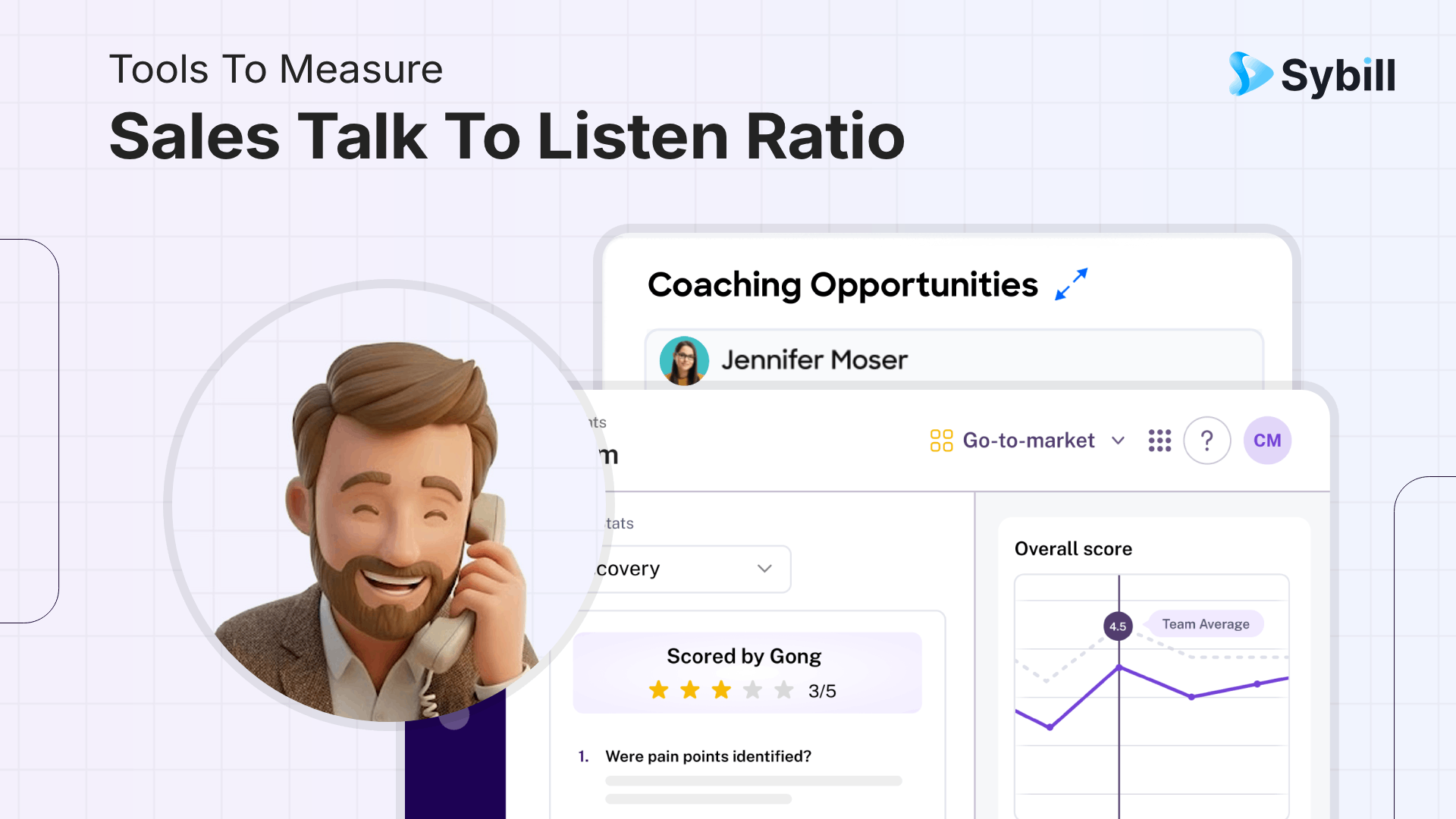
Every sales rep has heard it. “Let the prospect talk more.”
Cool. How much more? No one knows.
So reps do what humans do when faced with vague advice. They guess. They overcorrect. They swing between awkward silence and full-blown TED Talk energy depending on the call.
Meanwhile:
And the worst part is you often don’t actually know what went wrong.
Because you’re relying on memory. Not data.
That’s exactly why tools to measure sales talk to listen ratio have exploded in the last few years. They don’t just tell you how much you talked. They show you how your conversations actually behave at scale.
At its simplest, the talk to listen ratio in sales measures how much time a rep spends speaking versus listening during a call.
It’s calculated by:
But here’s what makes it powerful. It’s a signal. A rep who dominates the call is usually:
A rep who listens more tends to:
There’s a reason high-performing reps consistently land around a 43:57 talk-to-listen ratio .
Because buyers convert when they feel understood. And only high quality conversations can get them there.
Most sales teams think they know how their reps perform on calls. They don’t.
Managers listen to a handful of calls per week and form opinions. Reps remember conversations selectively. Coaching becomes a mix of instinct, bias, and incomplete data.
That approach doesn’t scale. And worse, it doesn’t improve performance. AI-powered tools change this completely.
Instead of reviewing 5 calls, they analyze 100% of conversations objectively, tracking patterns like:
This turns coaching from:
That’s the difference between opinion and insight.
Not all tools that track talk time are actually useful. Many stop at dashboards. The good ones go much further.
Here’s what actually matters.

If the tool can’t reliably distinguish between rep and prospect, everything else falls apart. This is the foundation of talk-to-listen ratio measurement.
The best AI tools for measuring talk-to-listen ratio on sales calls also track:
Because ratio alone doesn’t explain why a call worked.
Most tools show data. Few tell you what to do with it.
The difference between a decent tool and a great one is whether it helps reps:
Insights need to connect to pipeline and deal outcomes. Otherwise, you’re analyzing conversations in isolation.
Some tools guide reps during calls. Others analyze after. The best platforms balance both.
Bottom line:
If your tool only shows percentages, it’s incomplete. If it tells you how to improve, you’re getting actual value.
Let’s get to it. This is a curated list of the best tools for measuring talk-to-listen ratio in sales calls, based on:
Most tools tell you what happened. Sybill tells you why it happened and what to do next.
It tracks core conversation metrics like:
But where it stands out is what happens after. You can literally ask:
And Sybill will surface specific insights, not generic reports.
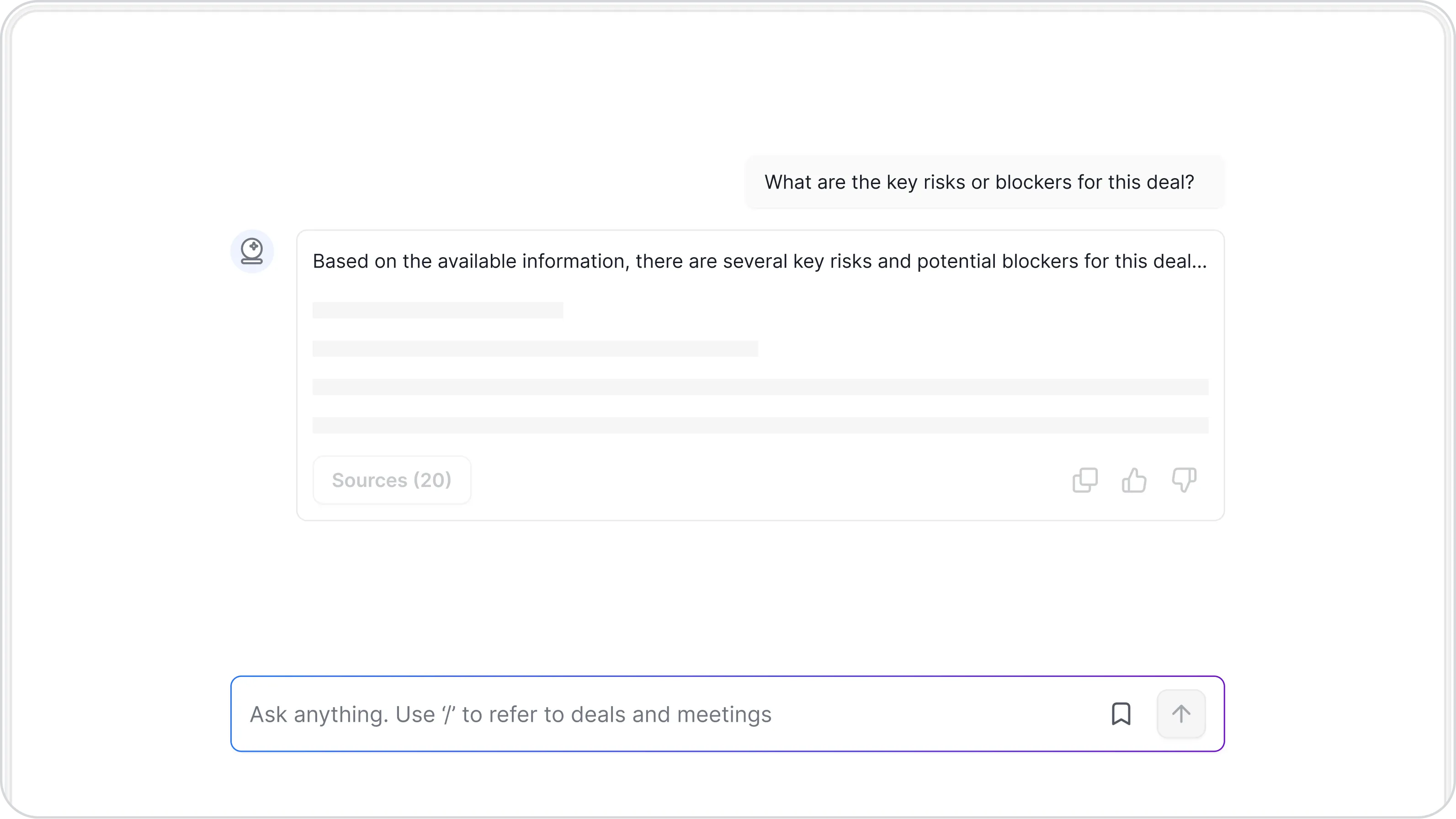
Sybill identifies patterns like:
Then it translates that into clear, actionable coaching recommendations.
This is the key difference.
Most tools measure conversation balance. Sybill improves it.
Best for: Teams that want to move from “tracking calls” to actually improving how reps sell.

Chorus focuses on understanding how conversations unfold.
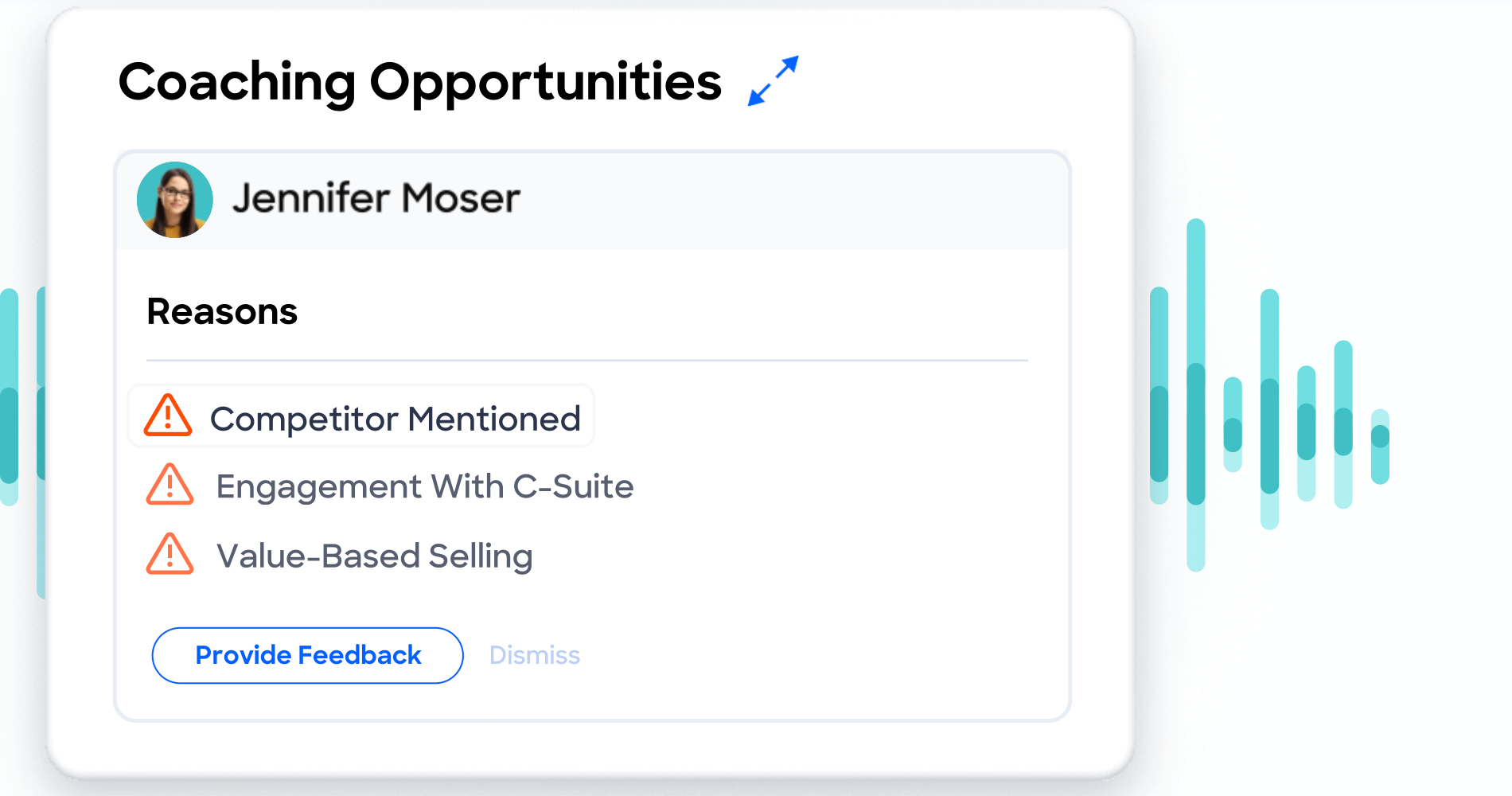
It:
Chorus is useful for identifying patterns across deals and building coaching libraries.
Where it falls short is in actionable guidance. You still need managers to interpret insights and translate them into coaching.
Best for: Teams focused on conversation review and pattern identification.
Jiminny takes a more structured approach. It tracks:
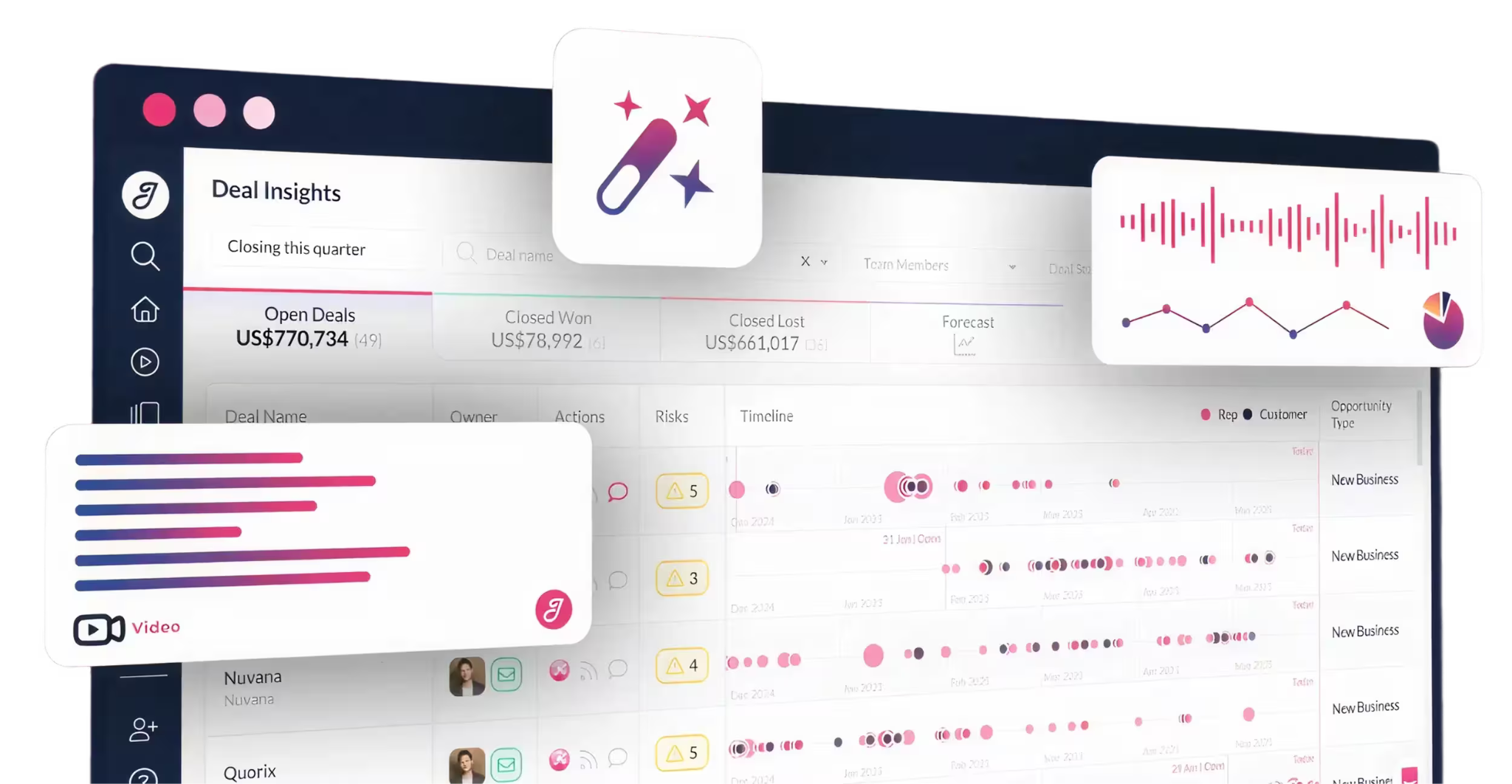
This makes it strong for teams that rely on standardized sales processes.
However, its AI depth is lighter compared to newer platforms.
Best for: Teams that want clear, metric-driven coaching frameworks.
Gong is a legacy player in conversation intelligence. It offers:
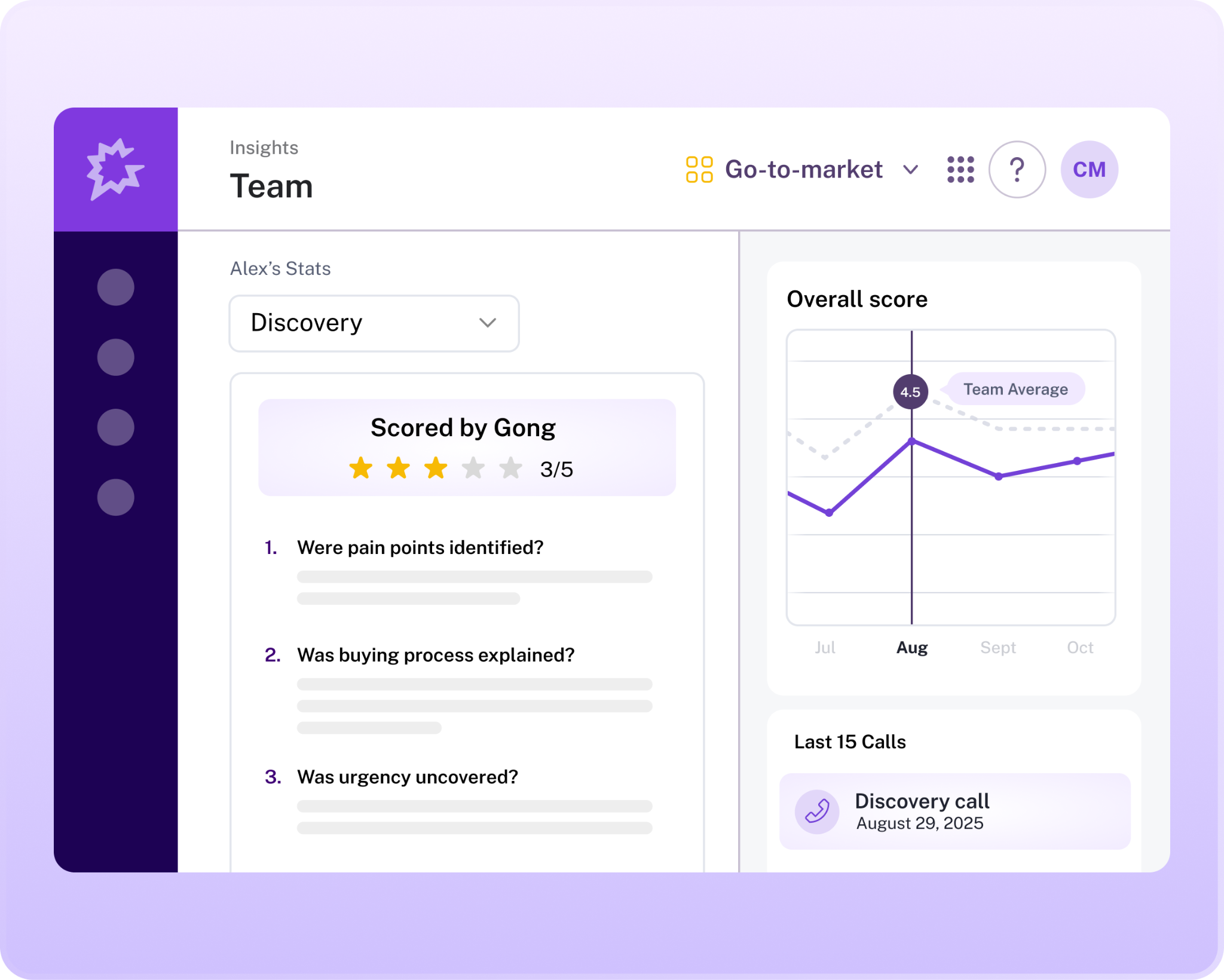
It can track talk-to-listen ratio effectively, but that’s just one small part of a much larger system.
The tradeoff is complexity and cost. It’s powerful, but not always accessible or easy to operationalize for every team.
Best for: Large enterprise teams with mature RevOps functions.
Salesloft integrates conversation intelligence into its engagement workflows.
You get:
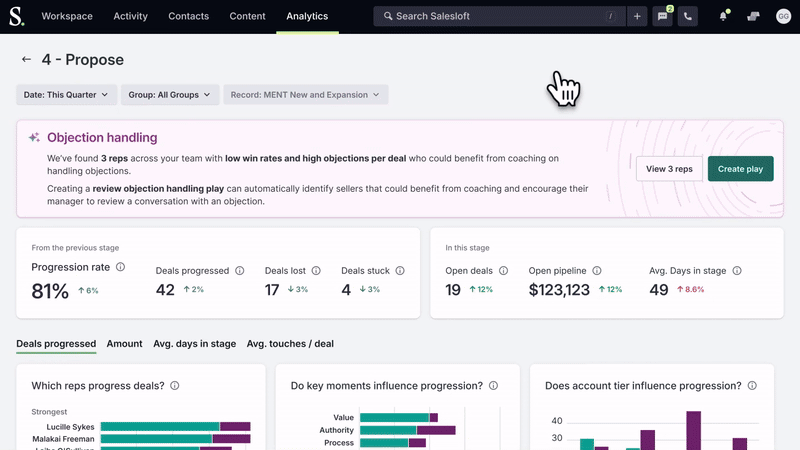
It’s convenient if you already use Salesloft, but it lacks the depth of specialized tools.
Best for: Teams that want everything in one platform.
Also read: Salesloft vs Outreach in 2026
The right tool depends on what you actually care about. If you’re a smaller team, simplicity matters more than depth. If you’re an enterprise team, integrations and scale matter more.
But here’s the real question most teams should ask: Do you want to measure conversations or improve them?
Because those are two very different outcomes.
If your goal is:
Choose accordingly. Choose Sybill.
It measures how much a salesperson talks versus how much they listen during a call. It’s typically expressed as a percentage and helps assess how balanced and effective a conversation is.
Sales analysis tools include CRMs like Salesforce, BI tools like Tableau, and conversation intelligence platforms like Sybill, Gong, and Chorus that analyze sales calls and interactions.
An AI sales coach tool analyzes sales conversations and provides feedback on performance, including talk-to-listen ratio, objection handling, and engagement patterns.
Sales performance is measured using a mix of pipeline metrics, conversion rates, and increasingly, conversation-level insights like talk-to-listen ratio, engagement, and buyer signals.
The best AI tool depends on your goals, but platforms like Sybill stand out by combining conversation intelligence, CRM automation, and coaching insights in one place, making it easier to improve real sales outcomes.
A commonly cited benchmark is around 43% talking and 57% listening, though this varies by call type. Discovery calls typically require more listening, while demos involve more talking.
Tools like Sybill, Chorus, and Gong analyze sales conversations effectively, but Sybill stands out by not just analyzing conversations but also turning insights into actionable coaching recommendations.
It measures how much a salesperson talks versus how much they listen during a call. It’s typically expressed as a percentage and helps assess how balanced and effective a conversation is.
Sales analysis tools include CRMs like Salesforce, BI tools like Tableau, and conversation intelligence platforms like Sybill, Gong, and Chorus that analyze sales calls and interactions.
An AI sales coach tool analyzes sales conversations and provides feedback on performance, including talk-to-listen ratio, objection handling, and engagement patterns.