How‑tos and frameworks: discovery, demo, negotiation, objections, and qualification (e.g., MEDDICC, SPIN, Sandler).
Use these free sales battlecard templates for competitor positioning, objection handling, pricing pushback, persona messaging, and product differentiation. Learn how to keep them current with AI.
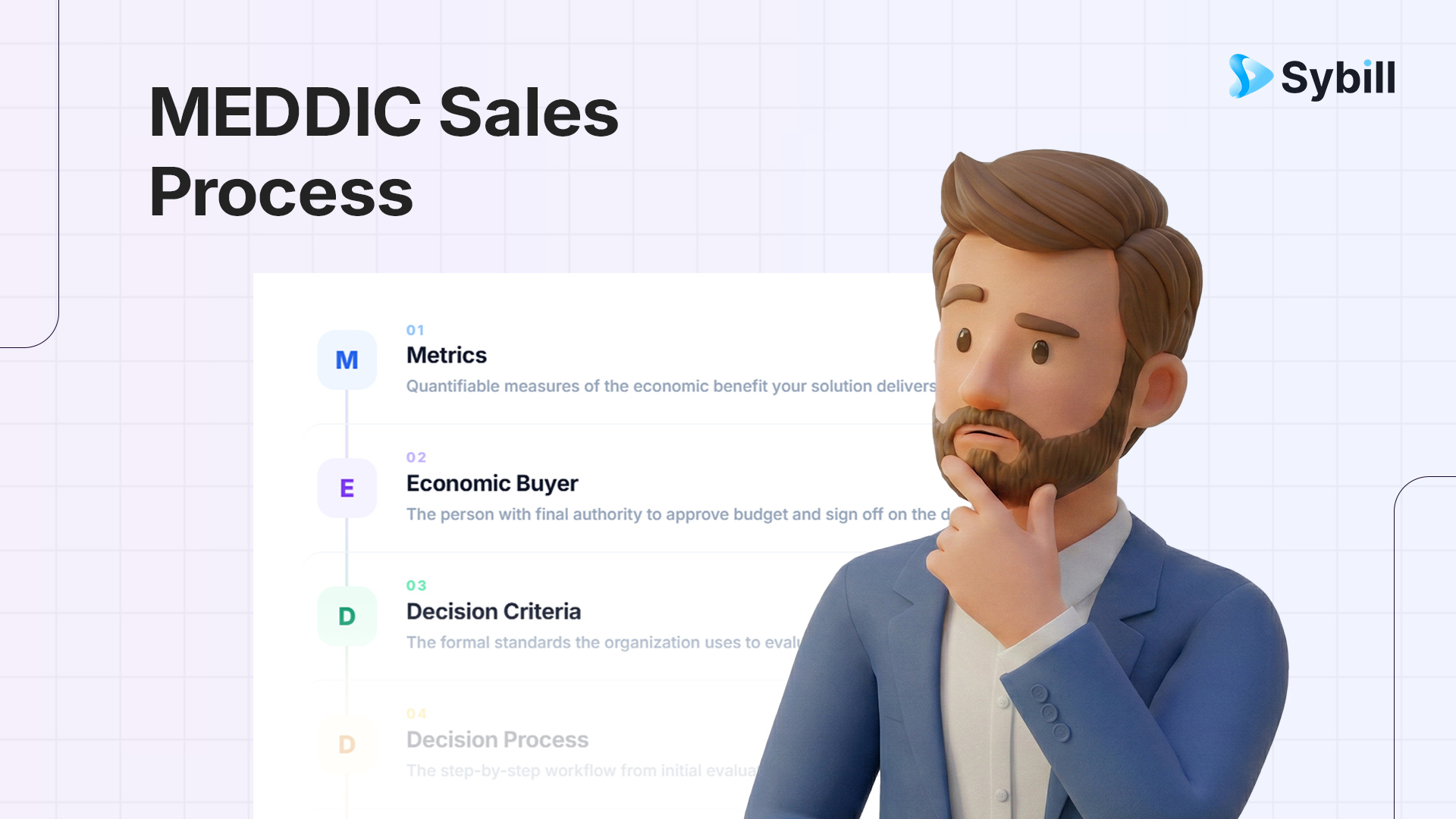
What is MEDDIC in sales? Learn what MEDDIC stands for, how the sales methodology works, the discovery questions for each letter, when to use it, and how AI helps you run it consistently across every deal.
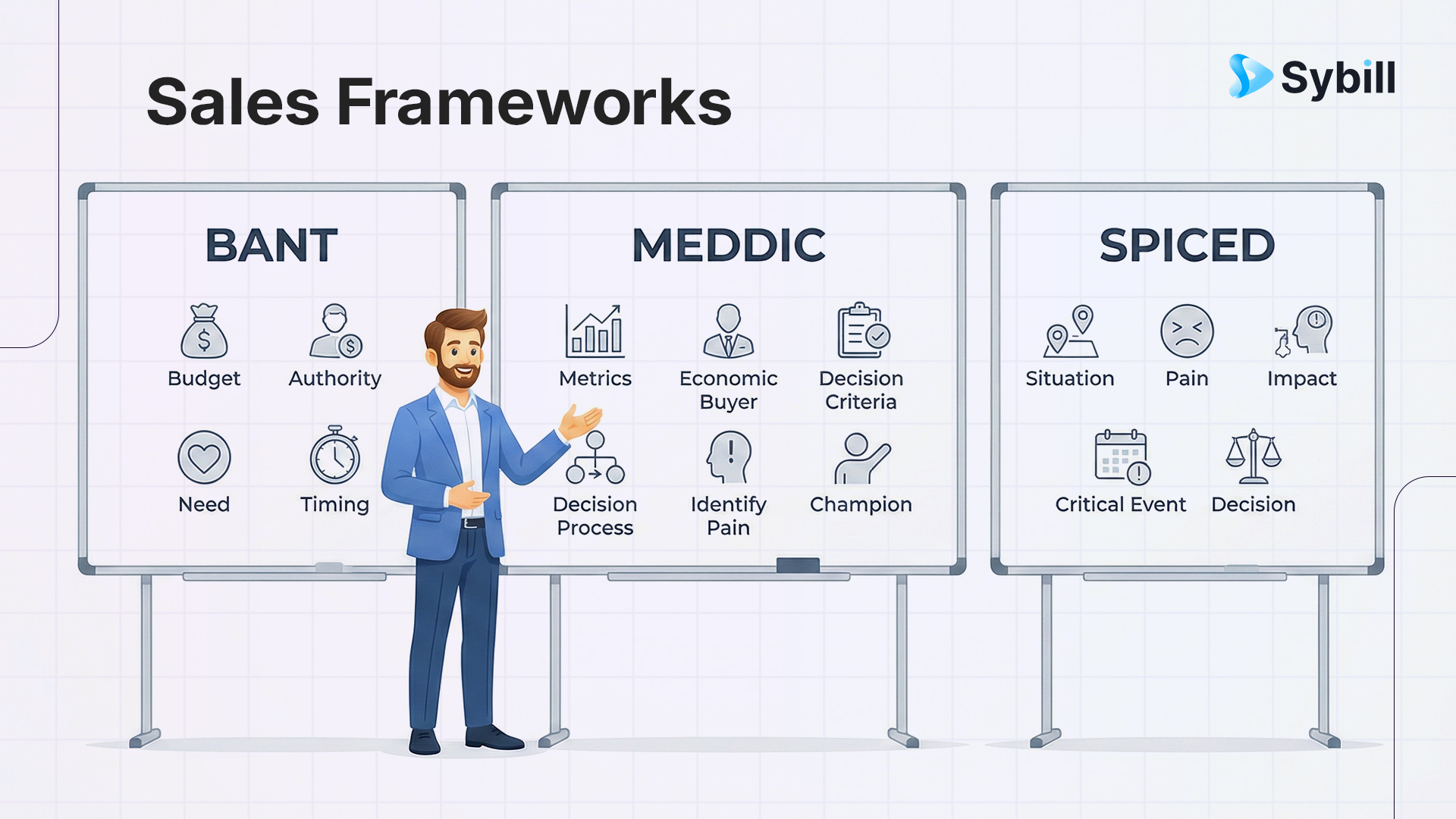
What is a sales framework? Learn about MEDDIC, MEDDICC, SPICED, BANT, and more. Discover which scalable sales framework fits your team and how AI makes any methodology actually stick.
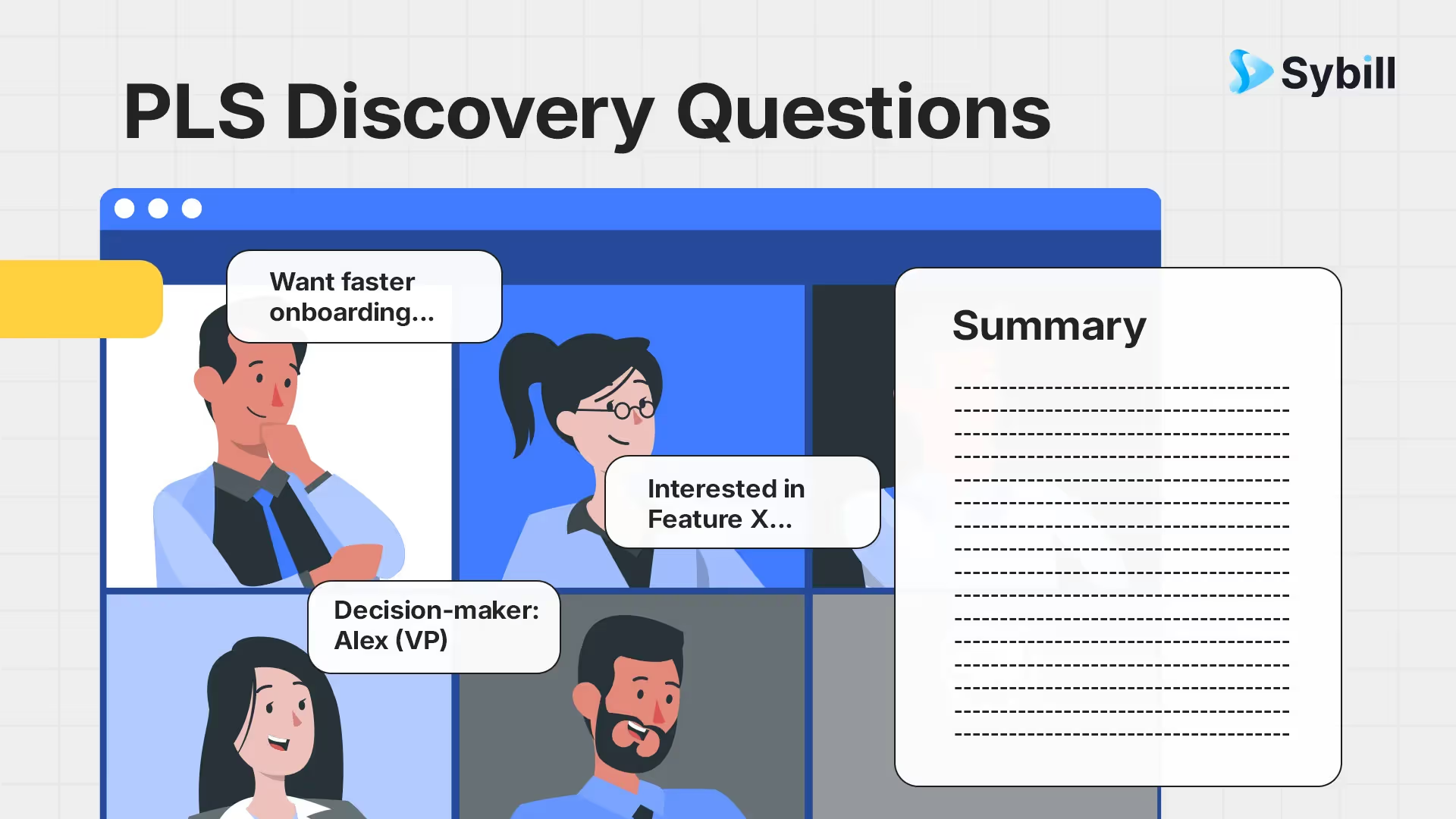
Upgrade your discovery calls with the best 26 sales discovery questions that reflect how today’s buyers actually buy. No fluff, just insight-led selling.
Learn how the GPCT sales methodology works, the best GPCT sales questions to ask, real examples, limitations, and how AI helps teams operationalize it.
Learn how NEAT selling works, what Need, Economic Impact, Access to Authority and Timeline mean, and which questions qualify a real B2B deal.
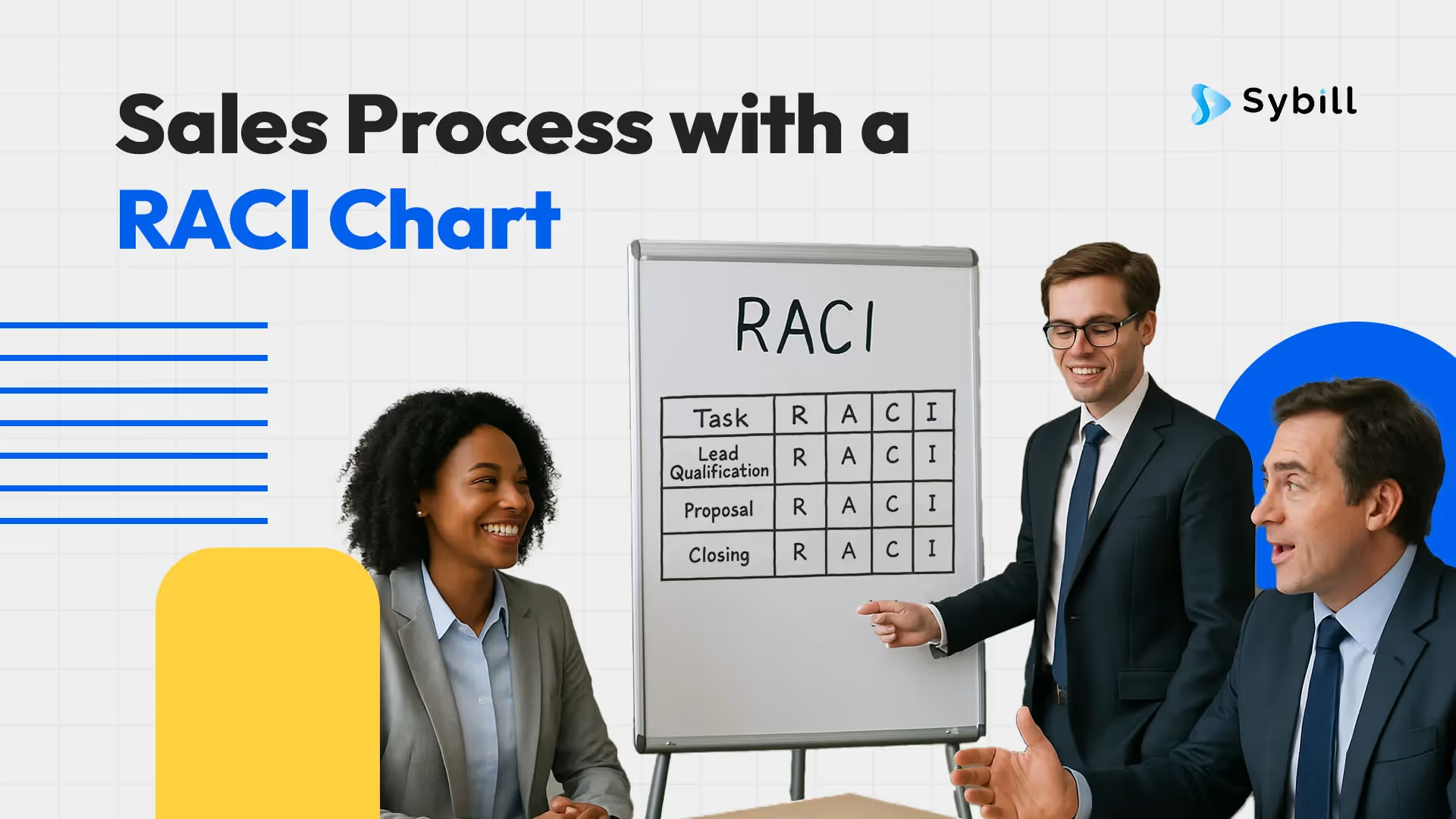
Optimize your sales process with a RACI chart. Learn how to assign roles, improve accountability, and boost efficiency effortlessly with this detailed guide.
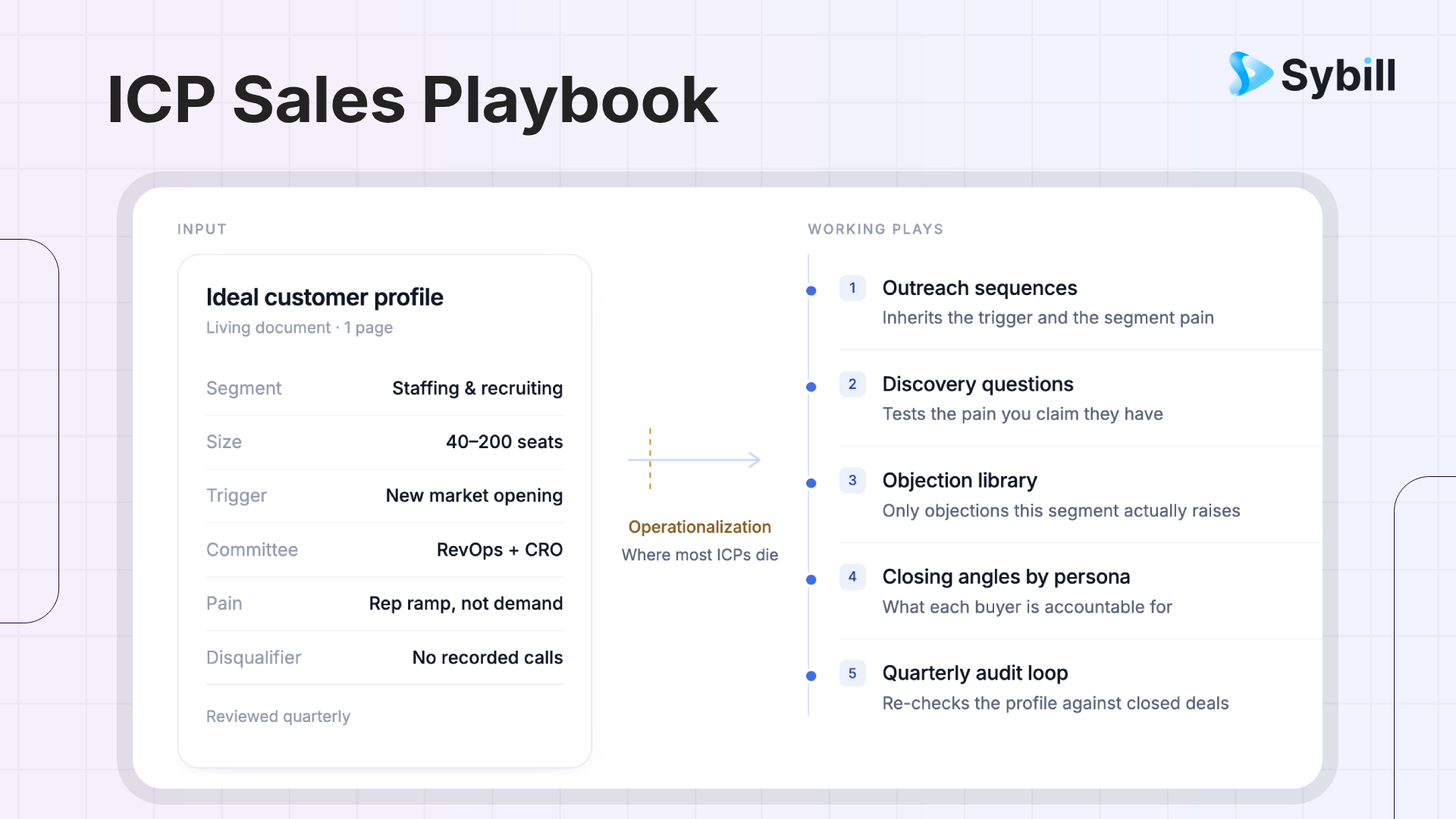
An ICP in a slide deck closes nothing. The five-step system for turning your ideal customer profile into outreach, discovery, objection handling, and closing plays.
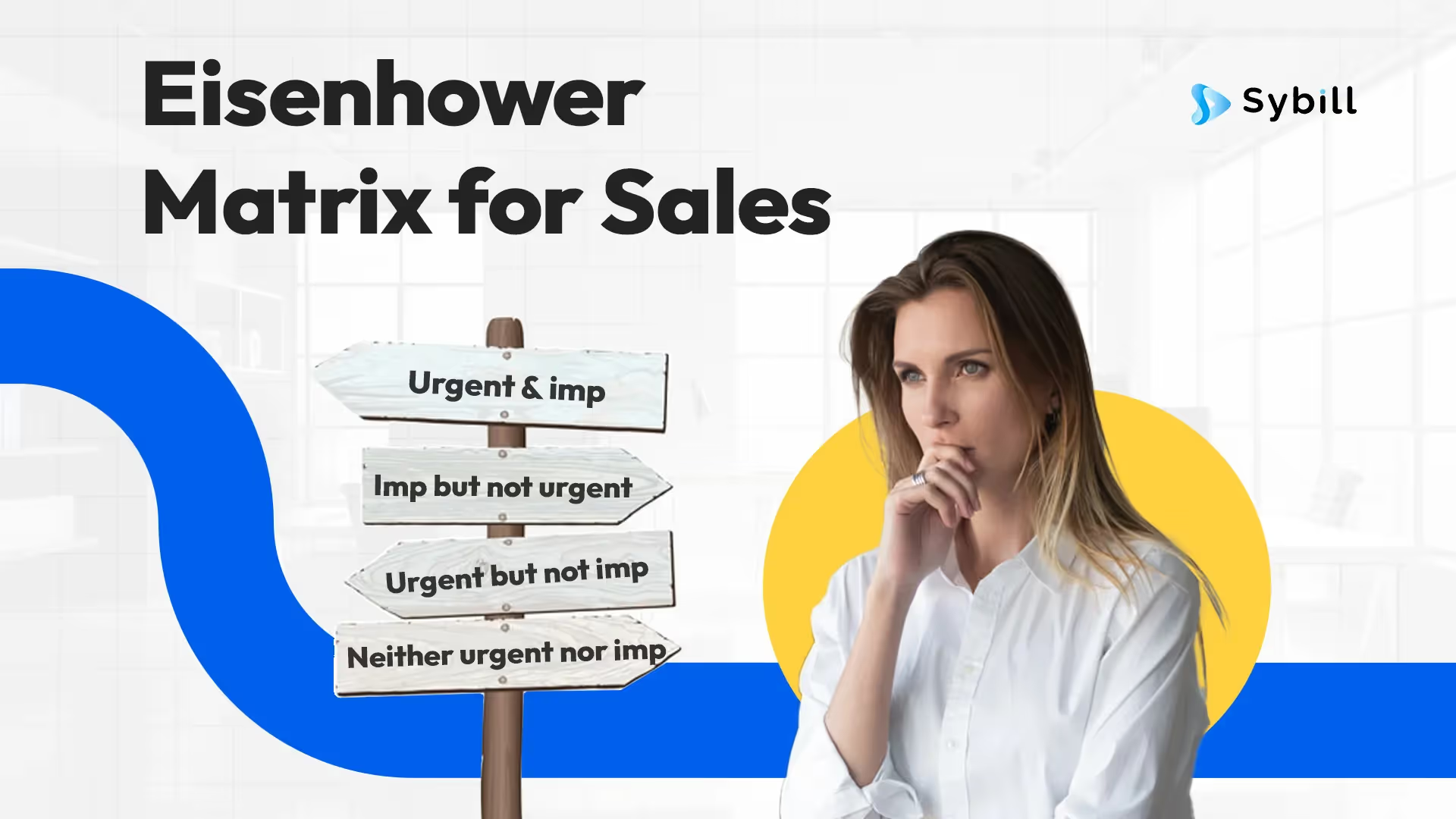
Struggling to prioritize sales tasks? Learn how the Eisenhower matrix for sales can help you focus on what drives revenue and close more deals efficiently.
Learn how to optimize your B2B sales cycle, remove deal bottlenecks, improve follow-ups, and use AI to close faster without rushing buyers.
Learn how the CHAMP sales methodology works, which qualification questions to ask, and how to evaluate deals using verified buyer evidence.
Compare GPCT vs BANT by deal complexity, discovery depth, buying process, and sales stage. Learn when to use each framework and how to implement it.
Transform your sales pipeline with 30 strategic questions, a 60-second disqualification checklist, and expert tips. Stop chasing dead leads, start closing more deals.
Learn how Conceptual Selling works, the five question types, the Miller Heiman Green Sheet, practical examples and how to apply it in B2B sales.
Learn how to use Miller Heiman LAMP to gather account intelligence, run strategy sessions, create an action plan and keep it current with AI.
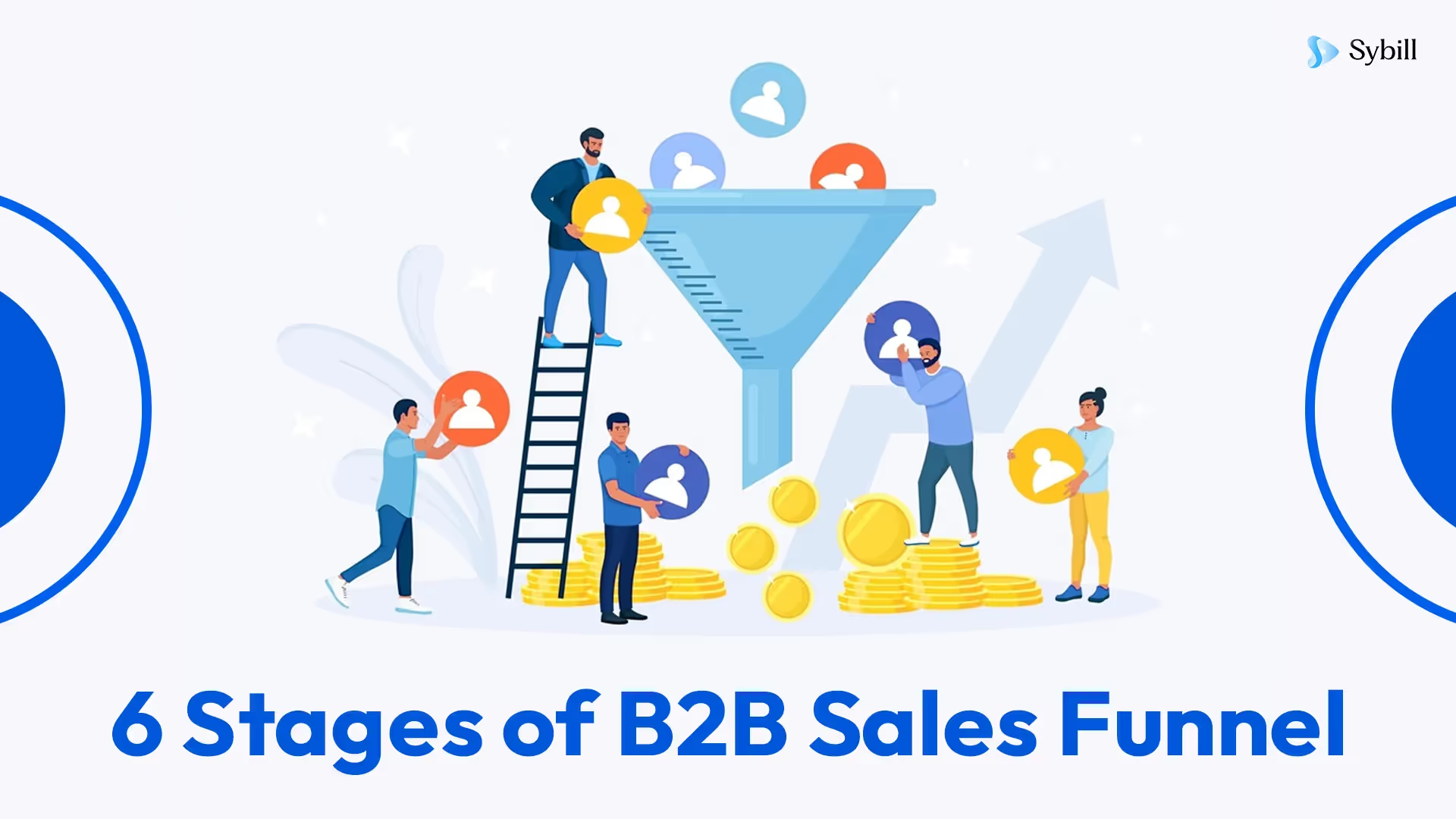
The sales funnel is a powerhouse of B2B sales. Dive deep into each funnel stage, uncover effective content examples, and learn powerful questions to ask at every step to enhance your sales efficiency.
Learn how to run a sales discovery process that uncovers buyer pain, impact, stakeholders, decision criteria, risks, and meaningful next steps.
Don’t let information overload drive your customers away. Learn to leverage Jill Konrath’s SNAP Selling method to connect, engage, and close effectively. Read more.
Learn what solution selling means, how the process works, when to use it, how it differs from consultative selling, and see a practical B2B example.
Learn what high-ticket closing means and how to close high-value B2B deals through discovery, consensus, risk reduction, negotiation, and clear next steps.
Learn to handle objections effectively, practice realistic scenarios, and get instant feedback to refine your objection handling approach. Watch a live practice session to see how it’s done!
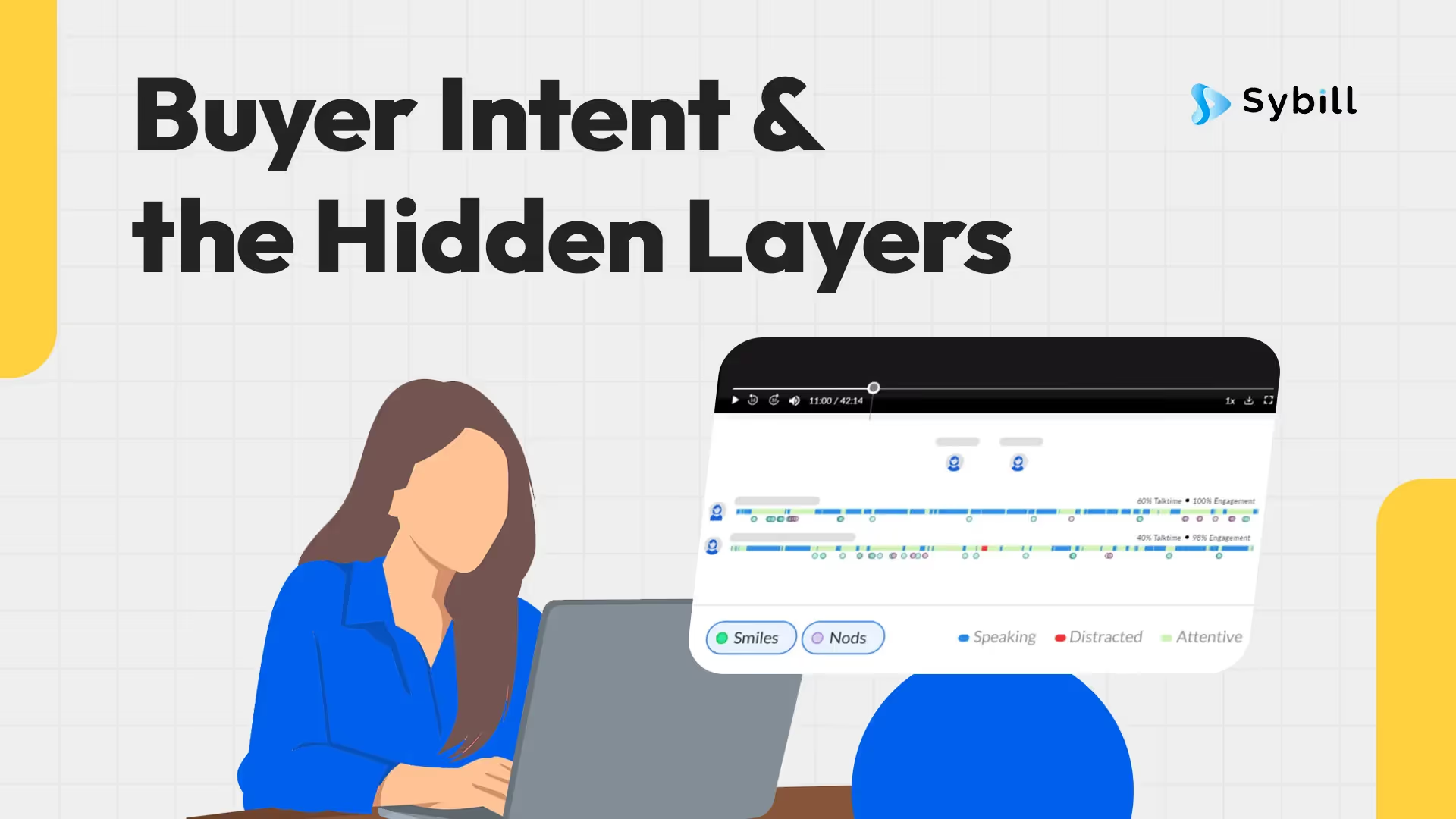
Buyers won’t tell you everything but their signals will. Learn how to decode layered buyer intent using the PEEL framework and Sybill’s insights.
Confused by MQLs, ABCs, and other sales jargon? Learn the lingo fast with this guide, packed with real examples and The Office references.
Learn how to use the Socratic Method in sales. Master the art of asking powerful questions to uncover needs, build trust, and guide prospects to a yes.
Discover the power of team selling. Learn how collaboration across roles boosts win rates, shortens sales cycles, and closes bigger deals with key stakeholders.



%20(42).png)
%20(70).png)
%20(75).png)
%20(30).png)
%20(78).png)
%20(71).png)
%20(77).png)
%20(76).png)
.png)

%20(74).png)
.png)