
Find us at booth #83, join us for a harbor side happy hour, or catch Gorish’s talk.

Sept, 16-18 > Learn more


Tamanna Mishra

April 10, 2026

Every sales team has that meeting. Pipeline looks healthy. Forecast is “on track.” Reps sound confident.
And yet, everyone in the room knows at least 30% of those deals are… vibes.
Someone says, “The champion sounded positive.”
Another says, “Legal is reviewing.”
Leadership nods, while mentally rewriting the forecast.
This is the problem with traditional revenue intelligence platforms. They tell you what your pipeline looks like. They don’t tell you what your buyer actually meant.
And that’s exactly why more teams are actively searching for Clari alternatives.
Because forecasting is no longer enough. You need deal truth. You need execution. You need AI that actually helps you close.
Also read: Why power users are looking for Gong alternatives
Clari didn’t become the default RevOps tool by accident.
For enterprise teams running structured forecast calls, it works. But here’s where things start to crack.
Most importantly:
Clari might tell you what your CRM says. It does not tell you what your buyer means.
And in 2026, that gap is massive.
If you scan what real operators are saying, the pattern is obvious.
Mid-market teams don’t want enterprise-level bills for forecasting alone
Not a tool. A full-blown rollout.
Some teams want rollups. Others want deal-level truth. Most want both.
Conversation intelligence
Deal coaching
Execution workflows
CRM automation
The modern stack isn’t about one function. It’s about connecting everything.
You are not replacing Clari for “better forecasting.” You are replacing it for better revenue outcomes.
Here’s what actually matters.
Not dashboards. Not reports.
Actual next steps.
Because if reps still hate updating CRM, your data is already broken.
Weeks, not quarters.
Forecasting + conversation intelligence + execution in one loop.

The shift is simple: The sales universe has long moved from reporting revenue to driving revenue. And Sybill’s at the center of that shift.
Let’s get into it.
If Clari is about forecasting outcomes, Sybill is about changing outcomes.
That’s the difference.
Instead of relying on CRM updates, Sybill captures what actually happens across calls, meetings, and emails.
.png)
Then it turns that into actionable intelligence.
Bottom line:
Sybill doesn’t just tell you if a deal will close. It helps you close it.

Gong changed how teams think about sales conversations. But that was 2015.
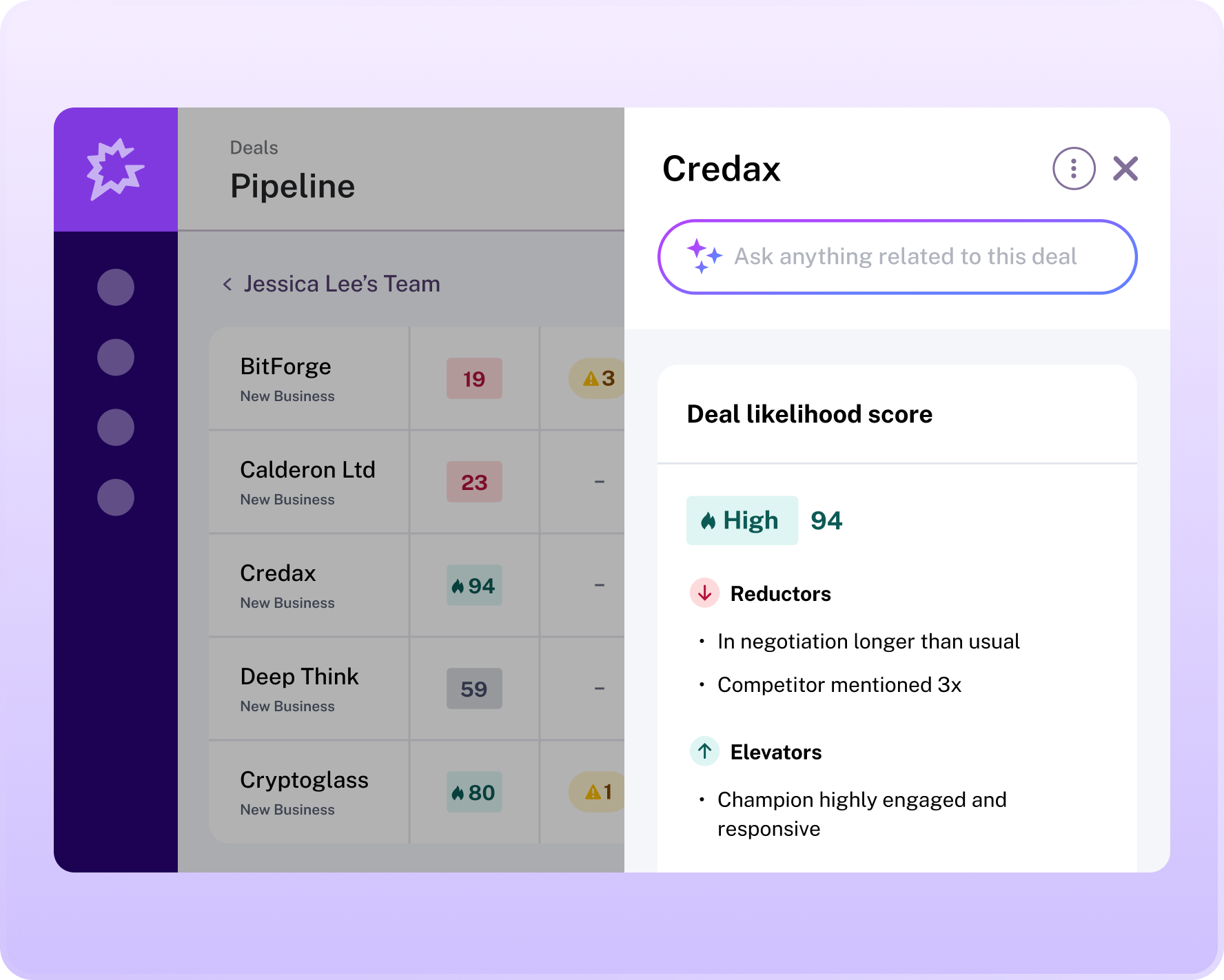
Also read: Gong reviews in 2026: The good, the bad, the ugly
Our take:
Incredible for insight. Incomplete for execution.
Aviso leans heavily into predictive forecasting.
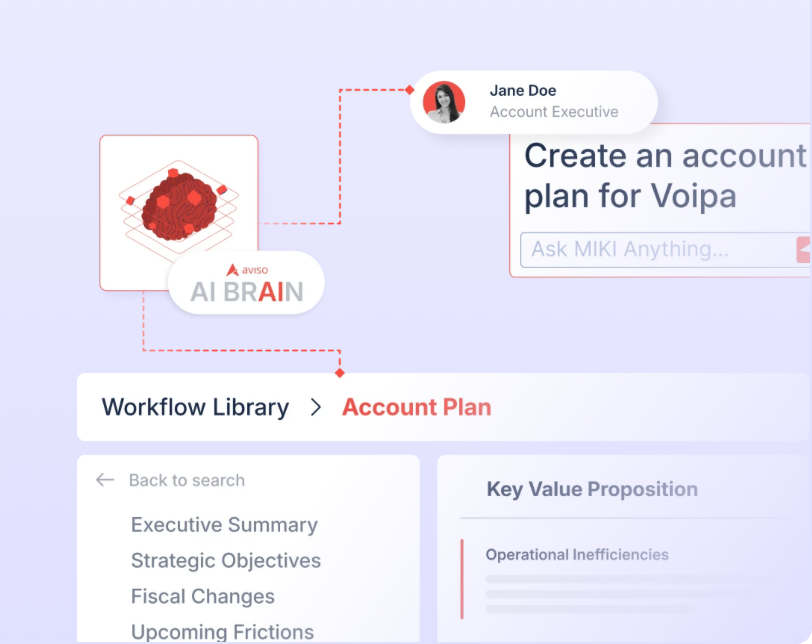
Take:
Powerful, but not flexible.
If your entire world lives in Salesforce, this is one of the obvious paths.
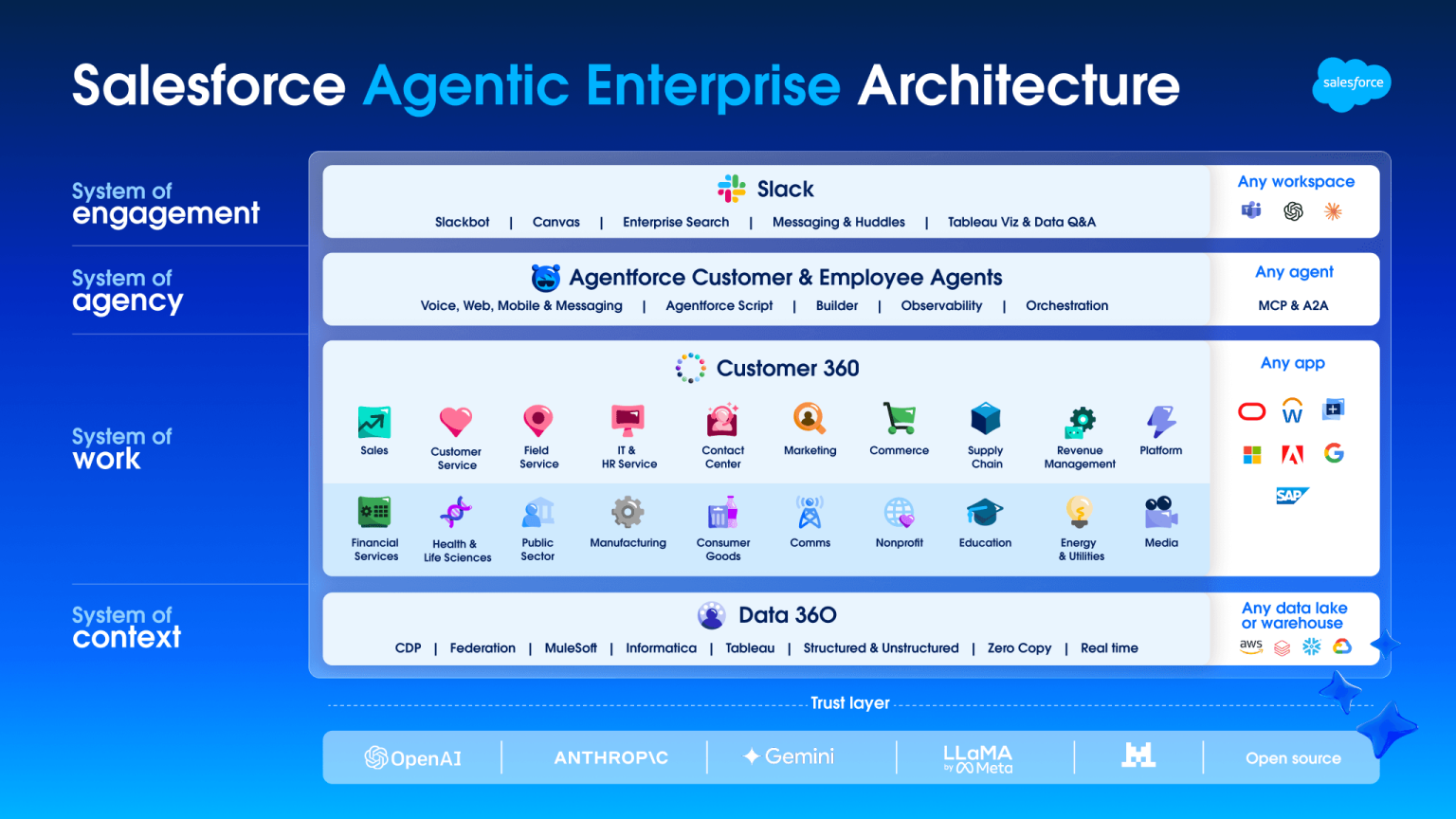
Take:
Great system of record. Weak system of insight.
Also read:
People.ai solves a very specific problem: bad CRM data.
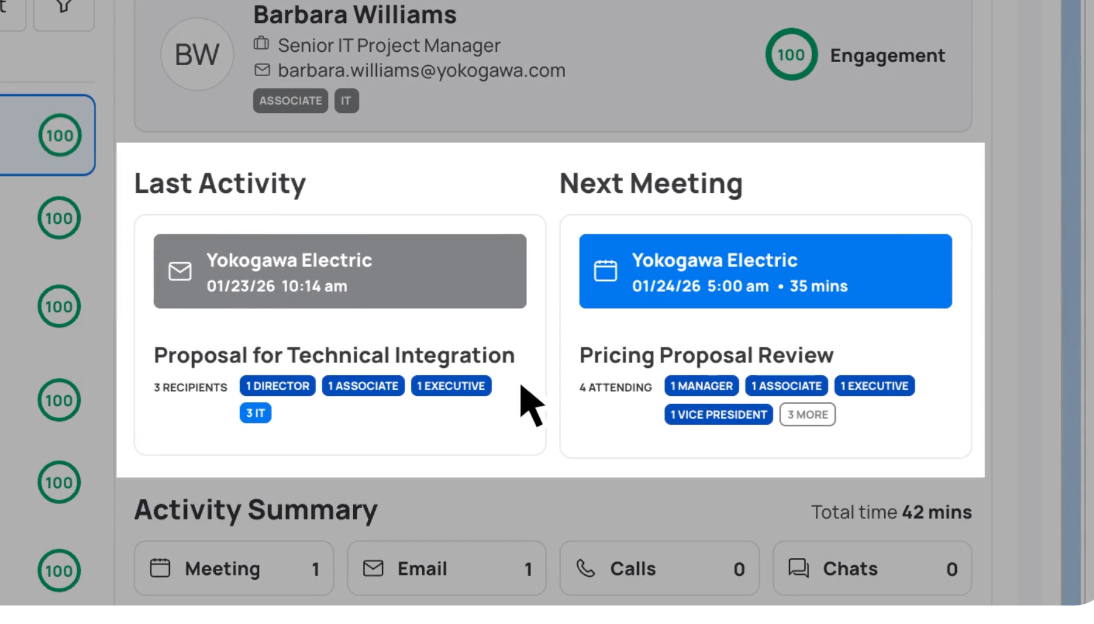
Take: Fixes your data. Not your deals.
Revenue Grid tries to bridge execution and intelligence.
Take:
Solid middle ground. But surely not category-defining.
Let’s simplify this.
→ Aviso-style tools
→ Salesforce, InsightSquared
→ People.ai
→ Sybill
That last one matters more than most teams realize.
Here’s the uncomfortable truth. Most teams don’t have a forecasting problem. They have a deal quality problem.
No dashboard fixes that.
No forecast model fixes that.
Only better deal intelligence + execution fixes that. And that’s why supersellers looking for Clari alternatives almost always choose Sybill.
Let’s connect the dots. Modern sales is no longer about tracking activity. It’s about understanding behavior and doing only what truly matters.
Sybill enables exactly that.
And most importantly:
It turns your pipeline from a guess into something you can actually trust.
Clari isn’t broken. But the category has long evolved.
The winning teams today are not the ones with the best dashboards. They’re the ones with the best deal intelligence.
So the real question is not: “Which tool gives me better forecasts?”
It’s: “Which tool helps me win more deals?”
That’s where modern AI sales assistants like Sybill change the game.
Clari’s competitors include tools like Gong, Aviso AI, People.ai, Salesforce Sales Cloud, Revenue Grid, and newer AI-driven platforms like Sybill. Each competitor focuses on a different layer of the revenue stack, from forecasting and pipeline analytics to conversation intelligence and execution workflows. The right choice depends on whether you prioritize forecasting accuracy, deal visibility, or sales execution.
Clari merged with Salesloft through its acquisition of Groove, expanding beyond forecasting into sales engagement and execution workflows. This move reflects a broader shift in the market, where standalone forecasting tools are evolving into full revenue platforms. However, this also adds complexity for buyers trying to evaluate where forecasting ends and execution begins.
Clari focuses on revenue forecasting and pipeline visibility, using CRM data and historical trends to predict outcomes. Gong, on the other hand, focuses on conversation intelligence, analyzing calls, emails, and meetings to uncover buyer intent, objections, and deal risks. While Clari tells you what might happen, Gong helps explain why deals are progressing or stalling.
The best Clari alternatives in 2026 include Sybill, Gong, Aviso AI, Salesforce Sales Cloud, People.ai, and Revenue Grid. These tools offer a mix of forecasting, conversation intelligence, and sales execution capabilities. Sybill stands out by combining AI-driven deal insights with automation, helping teams improve win rates instead of just predicting outcomes.
Companies look for Clari alternatives due to high pricing, complex implementation, and limited visibility into actual deal conversations. Modern sales teams need tools that go beyond forecasting to provide real-time deal insights, automation, and actionable recommendations that help close deals faster.
Clari’s competitors include tools like Gong, Aviso AI, People.ai, Salesforce Sales Cloud, Revenue Grid, and newer AI-driven platforms like Sybill. Each competitor focuses on a different layer of the revenue stack, from forecasting and pipeline analytics to conversation intelligence and execution workflows. The right choice depends on whether you prioritize forecasting accuracy, deal visibility, or sales execution.
Clari merged with Salesloft through its acquisition of Groove, expanding beyond forecasting into sales engagement and execution workflows. This move reflects a broader shift in the market, where standalone forecasting tools are evolving into full revenue platforms. However, this also adds complexity for buyers trying to evaluate where forecasting ends and execution begins.
Clari focuses on revenue forecasting and pipeline visibility, using CRM data and historical trends to predict outcomes. Gong, on the other hand, focuses on conversation intelligence, analyzing calls, emails, and meetings to uncover buyer intent, objections, and deal risks. While Clari tells you what might happen, Gong helps explain why deals are progressing or stalling.








